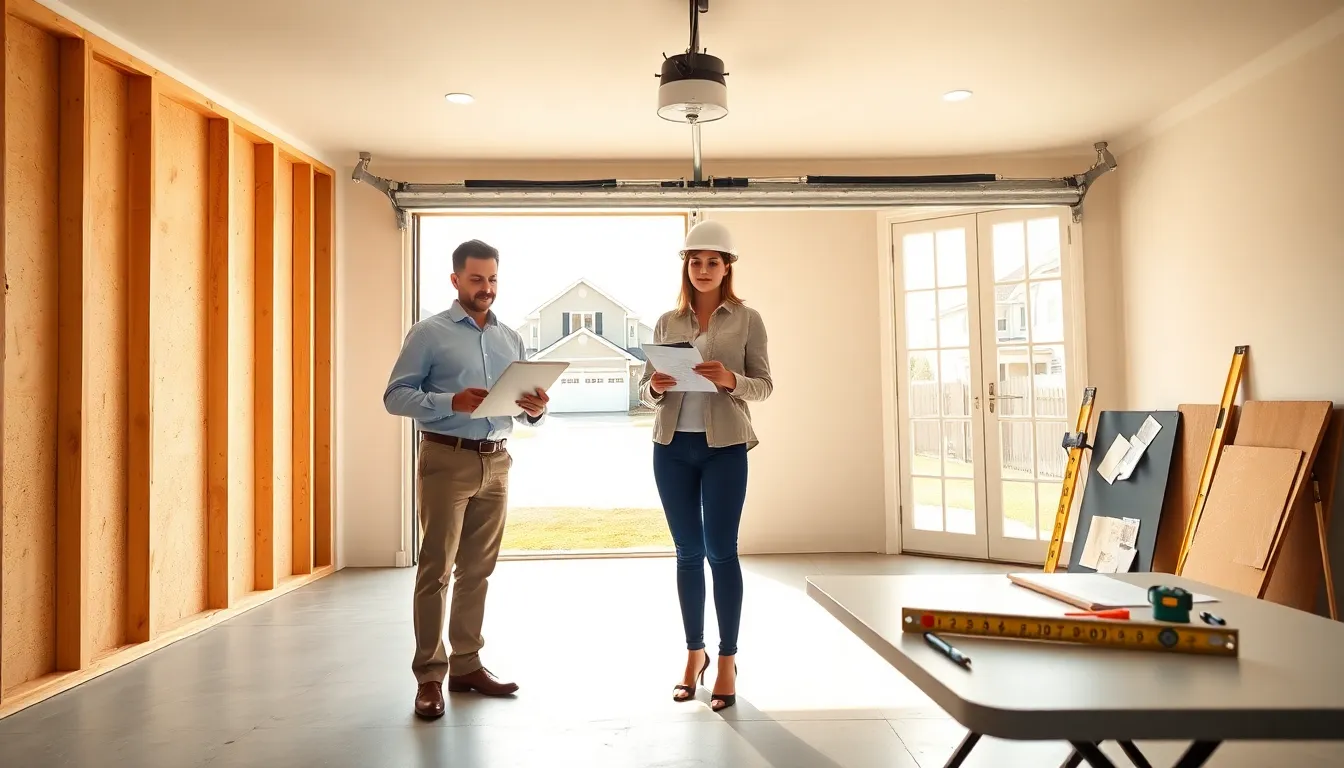
Garage conversions strategies offer homeowners a practical way to add living space without building an addition. A garage conversion transforms an underused storage area into a functional room, whether that’s a home office, rental unit, or guest suite. The appeal is straightforward: most garages already have a foundation, walls, and a roof. Converting that space typically costs less than new construction and can increase property value by 10-15%. This guide covers how to assess your garage, explore popular conversion ideas, handle permits, and manage costs effectively. Homeowners who understand these strategies make smarter decisions and avoid expensive mistakes.
Table of Contents
ToggleKey Takeaways
- Garage conversions strategies offer a cost-effective way to add living space, typically costing less than new construction while increasing property value by 10-15%.
- Assess your garage’s structural elements, ceiling height, utility access, and local zoning rules before starting any conversion project.
- Popular conversion options include home offices, ADUs for rental income, guest suites, home gyms, and short-term rental spaces.
- Building permits are essential for garage conversions to ensure safety compliance and avoid legal issues during resale or insurance claims.
- Basic conversions cost $10,000-$25,000, while full ADU conversions with kitchens can reach $75,000-$150,000 depending on finishes and labor.
- Save money through DIY prep work, using standard materials, phased construction, and obtaining multiple contractor bids.
Assessing Your Garage for Conversion Feasibility
Before starting any garage conversion project, homeowners need to evaluate whether their space can support the change. Several factors determine feasibility.
Structural Considerations
The garage floor is the first checkpoint. Most garage floors sit lower than the main house and may lack proper insulation. Raising the floor or adding insulation adds to the project cost. Homeowners should also check for cracks or moisture issues that could cause problems later.
Ceiling height matters too. Most building codes require a minimum ceiling height of 7.5 feet for habitable rooms. Attached garages often meet this requirement, but detached garages with low ceilings may need modifications.
Electrical and Plumbing Access
Garage conversions strategies depend heavily on existing utility access. If the garage already has electrical panels or outlets, extending service becomes easier. Adding a bathroom or kitchenette requires plumbing connections, check how far the garage sits from main sewer lines.
HVAC is another consideration. Can the current heating and cooling system handle additional square footage? Some homeowners install mini-split systems as a cost-effective alternative.
Zoning and HOA Rules
Local zoning laws may restrict garage conversions in certain neighborhoods. Some municipalities require maintaining a minimum number of covered parking spaces. Homeowners association rules can add another layer of restrictions. Checking these regulations early prevents frustration and wasted planning time.
A professional inspection often reveals issues homeowners miss. Spending a few hundred dollars upfront can save thousands in unexpected repairs.
Popular Garage Conversion Ideas
Garage conversion projects range from simple to elaborate. The best choice depends on household needs, budget, and local demand if rental income is a goal.
Home Office or Studio
Remote work has made home offices a top garage conversions strategy. A converted garage offers separation from household distractions. Homeowners can add built-in desks, soundproofing, and dedicated internet lines. Artists and musicians also favor garage studios for the extra space and noise isolation.
Accessory Dwelling Unit (ADU)
ADUs have gained popularity in cities with housing shortages. A garage ADU includes a bedroom, bathroom, and kitchenette, essentially a small apartment. These units generate rental income or house family members. Some states, like California, have streamlined ADU permits to encourage construction.
ADU garage conversions typically cost $50,000 to $150,000 depending on finishes and local labor rates. The investment often pays off through rental income within 5-10 years.
Guest Suite or In-Law Unit
Families with aging parents or frequent visitors benefit from guest suites. These conversions usually include a bedroom and bathroom without a full kitchen. The simpler scope means lower costs and faster completion.
Home Gym or Recreation Room
Fitness enthusiasts convert garages into private gyms with rubber flooring, mirrors, and proper ventilation. Recreation rooms work well for families, think game tables, home theaters, or children’s play areas. These conversions require less plumbing work, keeping costs manageable.
Rental or Airbnb Space
In tourist-heavy areas, short-term rentals can generate significant income. Garage conversions strategies focused on rentals should prioritize separate entrances, parking solutions, and attractive finishes that photograph well.
Key Planning and Permit Considerations
Permits protect homeowners from safety issues and legal problems. Skipping this step creates risks during resale or insurance claims.
Building Permits
Most jurisdictions require building permits for garage conversions. The permit process verifies that plans meet building codes for electrical, plumbing, structural integrity, and fire safety. Permit fees typically range from $500 to $2,500 depending on project scope and location.
Submit detailed plans showing the proposed layout, electrical work, plumbing additions, and egress windows. Inspectors review plans before approval and conduct site visits during construction.
Fire Safety and Egress
Building codes require habitable rooms to have emergency exits. Converted garages need at least one egress window or door that meets size requirements. If the garage shares a wall with the main house, fire-rated materials may be necessary to meet separation requirements.
Smoke detectors and carbon monoxide alarms are mandatory. Garages converted to bedrooms may need additional egress points.
Parking Requirements
Some cities require homeowners to maintain off-street parking even after a garage conversion. This might mean adding a driveway parking pad or demonstrating adequate street parking. Check local parking ordinances before finalizing garage conversions strategies.
Working with Professionals
Architects help with design and permit drawings. General contractors manage the construction process. Hiring licensed professionals ensures work meets code and protects homeowners from liability. Always verify contractor licenses and insurance before signing contracts.
Budgeting and Cost-Saving Tips
Garage conversions cost less than traditional additions, but expenses add up quickly without proper planning.
Typical Cost Ranges
Basic garage conversions, flooring, insulation, drywall, and electrical upgrades, run $10,000 to $25,000. Mid-range projects with a bathroom cost $25,000 to $50,000. Full ADU conversions with kitchens and high-end finishes reach $75,000 to $150,000 or more.
Labor accounts for 40-50% of most budgets. Material costs vary by region and current supply chain conditions.
Smart Ways to Save
Homeowners can reduce costs through strategic choices:
- DIY prep work: Demolition, painting, and basic cleanup don’t require professional skills
- Standard materials: Stock windows, doors, and fixtures cost less than custom options
- Phased construction: Complete essential work first, then add upgrades over time
- Multiple bids: Get quotes from at least three contractors to compare pricing
Financing Options
Home equity loans and HELOCs offer competitive rates for garage conversions. Some homeowners use cash-out refinancing if interest rates are favorable. Personal loans work for smaller projects but carry higher rates.
Certain states offer grants or low-interest loans for ADU construction. California’s CalHFA ADU Grant Program, for example, provides up to $40,000 for eligible projects.
Return on Investment
Garage conversions strategies that add living space typically return 60-80% of costs at resale. Rental units can provide ongoing income that exceeds the initial investment over time. Location heavily influences ROI, conversions in high-demand rental markets perform better than those in areas with low rental demand.