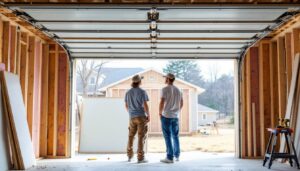
A garage conversions guide can help homeowners unlock valuable square footage without building an addition. Many garages sit underused, storing old boxes and forgotten equipment. Converting this space into a functional living area adds both comfort and property value. Whether the goal is a home office, rental unit, or extra bedroom, garage conversions offer a practical solution. This guide covers the key reasons to convert, popular ideas, permits, costs, and the step-by-step process to get it done right.
Table of Contents
ToggleKey Takeaways
- Garage conversions cost $50–$150 per square foot, significantly less than building a new addition at $200+ per square foot.
- A well-executed garage conversion can increase your home’s value by 10% to 15%.
- Popular conversion options include home offices, ADUs for rental income, extra bedrooms, and home gyms.
- Always check local zoning laws and obtain the necessary permits before starting your garage conversion to avoid fines and resale issues.
- Budget $10,000–$25,000 for a basic conversion, or $50,000–$100,000+ for a full ADU with a bathroom and kitchen.
- Follow an 8-step process: design, permits, structural work, utilities, insulation, flooring, finishes, and final inspection.
Why Convert Your Garage
Garage conversions make sense for several reasons. First, they add usable living space at a fraction of new construction costs. Building an addition can cost $200 or more per square foot, while garage conversions typically run between $50 and $150 per square foot.
Second, a garage conversion can increase home value. According to real estate experts, a well-executed conversion can boost property value by 10% to 15%. Buyers appreciate move-in-ready homes with extra bedrooms, offices, or accessory dwelling units (ADUs).
Third, garage conversions address changing lifestyle needs. Remote work has made home offices essential for many families. Others need space for aging parents or adult children. A garage conversion provides flexibility without the hassle of moving to a larger home.
Finally, most garages already have electrical wiring, concrete flooring, and structural walls. This existing infrastructure reduces the scope of work compared to starting from scratch.
Popular Garage Conversion Ideas
Homeowners choose garage conversions for many purposes. Here are the most common options:
Home Office or Studio
A dedicated workspace away from household distractions improves productivity. Garages offer enough room for desks, storage, and meeting areas. Artists and musicians also convert garages into creative studios with proper lighting and soundproofing.
Accessory Dwelling Unit (ADU)
ADUs are self-contained living spaces with a bedroom, bathroom, and kitchen. They work well for rental income, guest housing, or multigenerational living. Many cities have updated zoning laws to encourage ADU construction.
Extra Bedroom or Guest Suite
Growing families often need more bedrooms. A garage conversion adds sleeping space without altering the main home’s layout. Adding a bathroom creates a private guest suite.
Home Gym or Recreation Room
Fitness enthusiasts save money on gym memberships by building workout spaces at home. Garages provide enough floor area for cardio equipment, weights, and stretching zones. Recreation rooms with game tables or home theaters are equally popular.
Rental Unit
In high-demand housing markets, garage conversions can generate steady rental income. A converted garage with a separate entrance offers privacy for both the tenant and the homeowner.
Planning and Permits
Proper planning prevents costly mistakes during a garage conversion. Start by checking local zoning regulations and building codes. Many municipalities require permits for structural changes, electrical upgrades, and plumbing additions.
Common permit requirements include:
- Building permits for structural modifications like adding walls or windows
- Electrical permits for new circuits, outlets, and lighting
- Plumbing permits if adding a bathroom or kitchen
- HVAC permits for heating and cooling systems
Some cities restrict garage conversions in certain zones or require replacement parking spaces. Homeowners associations (HOAs) may also have rules about exterior changes.
Hiring a licensed contractor familiar with local codes simplifies the permit process. Contractors can prepare drawings, submit applications, and schedule inspections. Skipping permits can result in fines, forced removal of work, and problems when selling the home.
Before starting design work, measure the garage carefully. Standard two-car garages offer 400 to 600 square feet. One-car garages provide 200 to 300 square feet. Ceiling height matters too, most building codes require at least 7 feet of headroom in habitable rooms.
Cost Considerations and Budgeting
Garage conversion costs vary based on scope, location, and finishes. A basic conversion with insulation, drywall, flooring, and electrical work might cost $10,000 to $25,000. A full ADU with a bathroom and kitchen can run $50,000 to $100,000 or more.
Here’s a breakdown of typical expenses:
| Item | Estimated Cost |
|---|---|
| Insulation | $1,000–$3,000 |
| Drywall and finishing | $2,000–$5,000 |
| Flooring | $1,500–$4,000 |
| Electrical upgrades | $2,000–$5,000 |
| HVAC installation | $3,000–$7,000 |
| Plumbing (if needed) | $3,000–$10,000 |
| Windows and doors | $1,500–$5,000 |
| Permits and inspections | $500–$2,000 |
Labor typically accounts for 30% to 50% of the total budget. DIY work can reduce costs, but electrical and plumbing tasks usually require licensed professionals.
To stay on budget, get multiple contractor quotes and add a 10% to 15% contingency for unexpected expenses. Prioritize essential upgrades first, then add finishing touches as funds allow.
Key Steps in the Conversion Process
A successful garage conversion follows a logical sequence. Here’s what to expect:
1. Design and Planning
Create a floor plan that maximizes the space. Decide on room layout, window placement, and door locations. Consider traffic flow and furniture arrangements.
2. Obtain Permits
Submit plans to the local building department. Allow two to six weeks for approval, depending on the jurisdiction. Don’t start construction until permits are in hand.
3. Structural Work
Address any foundation issues. Frame new walls if dividing the space. Replace the garage door with a solid wall, or install French doors for natural light.
4. Install Utilities
Run electrical wiring for outlets, switches, and lighting. Add plumbing lines if the conversion includes a bathroom or kitchen. Install HVAC ducts or a mini-split system for climate control.
5. Insulation and Drywall
Insulate walls and ceiling to meet energy codes. Garages often lack insulation, making this step critical for comfort. Hang and finish drywall to create smooth interior surfaces.
6. Flooring
Concrete floors need preparation before installing finished flooring. Options include vinyl plank, laminate, tile, or carpet. Some homeowners pour a self-leveling compound to create an even surface.
7. Final Finishes
Paint walls, install trim, and add fixtures. Complete the bathroom and kitchen if applicable. Schedule final inspections to close out permits.
8. Furnish and Enjoy
Move in furniture and equipment. A well-planned garage conversion provides years of comfortable, functional use.