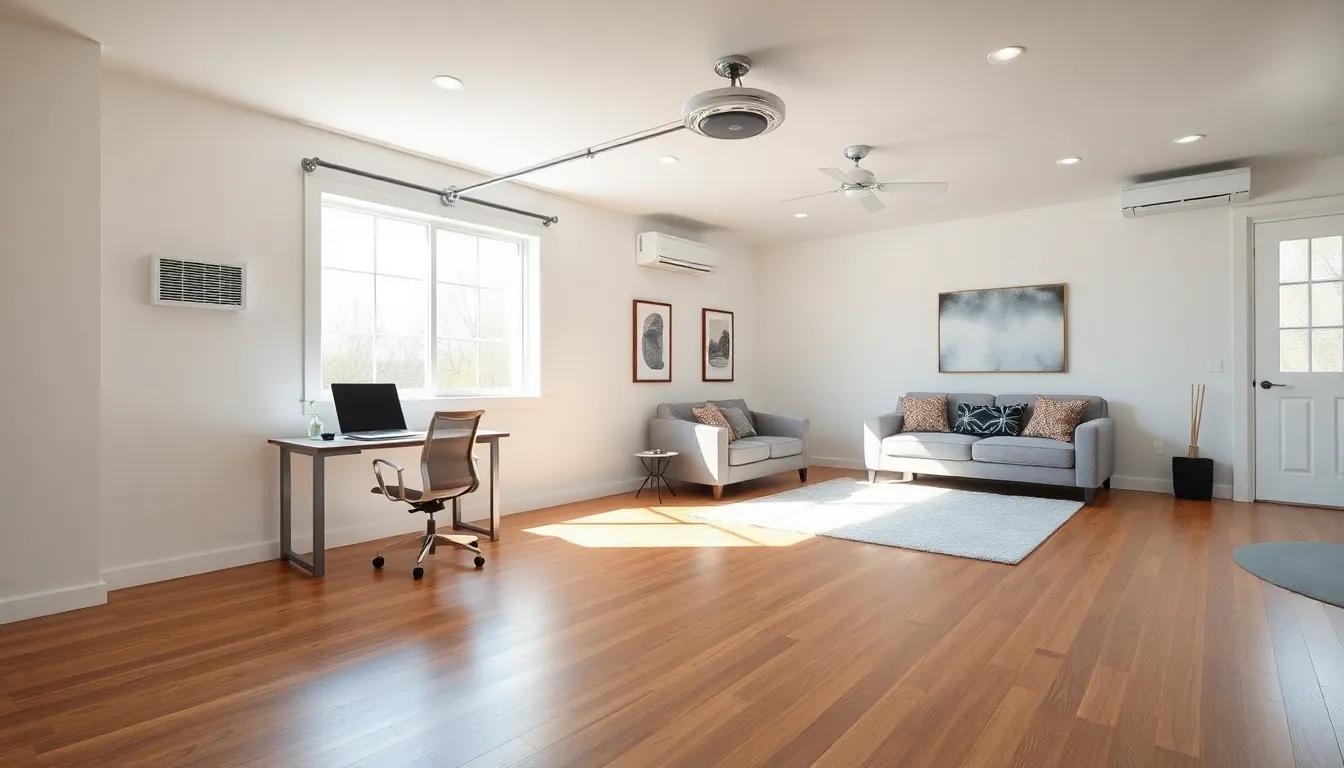
The best garage conversions turn underused square footage into functional living space. Homeowners across the country are discovering that their garages hold serious potential, whether they need a home office, guest suite, or private gym. A well-planned garage conversion adds value to a property while solving practical space problems. This guide covers popular conversion ideas, key planning considerations, realistic costs, and what kind of return homeowners can expect from their investment.
Table of Contents
ToggleKey Takeaways
- The best garage conversions transform underused space into functional areas like home offices, guest suites, rental units, or home gyms.
- ADU garage conversions can generate $1,000 to $2,500 per month in rental income, making them a top choice for passive income.
- Basic garage conversions cost $10,000 to $25,000, while full ADU buildouts with premium finishes can exceed $75,000.
- Always obtain proper permits before converting—skipping them creates legal issues and complicates future home sales.
- Garage conversions that add livable square footage typically return 60% to 80% of costs at resale, with ADUs potentially exceeding 100% ROI in high-demand markets.
- Consult a local real estate agent before starting to ensure your conversion aligns with buyer expectations in your area.
Popular Garage Conversion Ideas
The best garage conversions match a homeowner’s lifestyle needs with their available space. Here are three of the most popular options that deliver both function and value.
Home Office or Studio
Remote work isn’t going anywhere. A garage conversion into a home office creates separation between work and home life, something a kitchen table setup can’t offer. The typical two-car garage provides 400 to 600 square feet, enough room for a dedicated workspace with storage, a meeting area, and even a small lounge corner.
Artists and content creators also benefit from garage studio conversions. The space works well for photography studios, music production rooms, or art workshops. Garages often have high ceilings and minimal interior walls, making them ideal for creative setups that need open floor plans.
Key features for office or studio conversions include proper insulation, climate control, adequate electrical outlets, and good lighting. Many homeowners add a separate entrance to maintain privacy from the main house.
Guest Suite or Rental Unit
A guest suite conversion ranks among the best garage conversions for families who host visitors frequently. Adding a bedroom, bathroom, and small kitchenette creates a comfortable space that feels separate from the main home. Guests appreciate the privacy, and homeowners don’t have to rearrange their daily routines.
For those interested in generating income, an accessory dwelling unit (ADU) conversion takes this concept further. Many cities have relaxed zoning laws to encourage ADU construction, making garage conversions into rental units more accessible. A well-designed rental unit can bring in $1,000 to $2,500 per month depending on location, significant passive income from previously unused space.
Before pursuing a rental conversion, homeowners should check local regulations. Permit requirements, parking rules, and occupancy limits vary widely between municipalities.
Home Gym or Entertainment Room
Gym memberships cost money and time. A home gym conversion eliminates both expenses while providing 24/7 access to workout equipment. The garage floor handles heavy weights better than standard home flooring, and the space accommodates cardio machines, free weights, and functional training areas.
Entertainment room conversions appeal to families and sports fans. A dedicated space for a large-screen TV, gaming systems, or a pool table keeps the main living areas clutter-free. Some homeowners combine entertainment with a wet bar or mini kitchen for the ultimate hangout space.
Both options rank among the best garage conversions for personal enjoyment, though they typically offer lower resale value compared to livable square footage like bedrooms or rental units.
Key Considerations Before Converting Your Garage
Planning separates successful garage conversions from costly mistakes. Several factors determine whether a garage conversion makes sense for a specific property.
Permits and Zoning
Most garage conversions require building permits. Converting a garage to livable space triggers inspections for electrical work, plumbing, insulation, and structural changes. Skipping permits creates problems during home sales and may result in fines. Local zoning laws also dictate what types of conversions are allowed, some neighborhoods restrict ADUs or require minimum parking spaces.
Structural Requirements
Garage floors sit lower than main house floors in most homes. Raising the floor to match interior levels adds cost but improves the finished result. Homeowners should also assess the garage door opening. Most conversions replace the garage door with a wall and windows, which requires framing and weatherproofing work.
Insulation matters significantly. Garages lack the insulation found in living spaces, so walls, ceiling, and floor all need treatment. Without proper insulation, heating and cooling costs spike, and the space becomes uncomfortable during extreme weather.
Parking and Storage Impact
Converting a garage eliminates covered parking and storage space. Homeowners should consider where vehicles, tools, lawn equipment, and seasonal items will go. Some areas require alternative parking solutions before approving garage conversions. Building a storage shed or renting off-site storage can offset the lost space.
Utility Connections
The best garage conversions include proper utilities. Running electrical circuits, adding HVAC, and potentially installing plumbing increases project scope. Existing garage electrical panels rarely support the demands of a converted living space. A licensed electrician should evaluate capacity before work begins.
Costs and Return on Investment
Garage conversion costs vary based on scope, location, and finish quality. Understanding typical price ranges helps homeowners budget realistically.
Basic conversions, insulation, drywall, flooring, lighting, and HVAC, run between $10,000 and $25,000 for a standard two-car garage. Mid-range projects that include a bathroom or kitchenette cost $25,000 to $50,000. High-end conversions with full ADU buildouts, premium finishes, and custom features can exceed $75,000.
Labor accounts for roughly 40% to 50% of total costs. DIY-friendly tasks like painting and flooring installation reduce expenses, but electrical, plumbing, and structural work require licensed professionals.
Return on Investment
The best garage conversions deliver strong ROI when they add functional living space. Converting a garage to a bedroom or ADU typically returns 60% to 80% of costs at resale. In high-demand housing markets, ADU conversions can return over 100% due to rental income potential.
Home office and gym conversions offer lifestyle value but don’t always translate to higher sale prices. Future buyers may prefer a functional garage, so these conversions work best for homeowners planning to stay long-term.
Several factors influence ROI:
- Local real estate market conditions
- Quality of finishes and workmanship
- Whether permits were properly obtained
- Neighborhood comparables with similar conversions
Homeowners should consult a local real estate agent before starting a garage conversion project. Market-specific advice helps ensure the investment aligns with buyer expectations in that area.