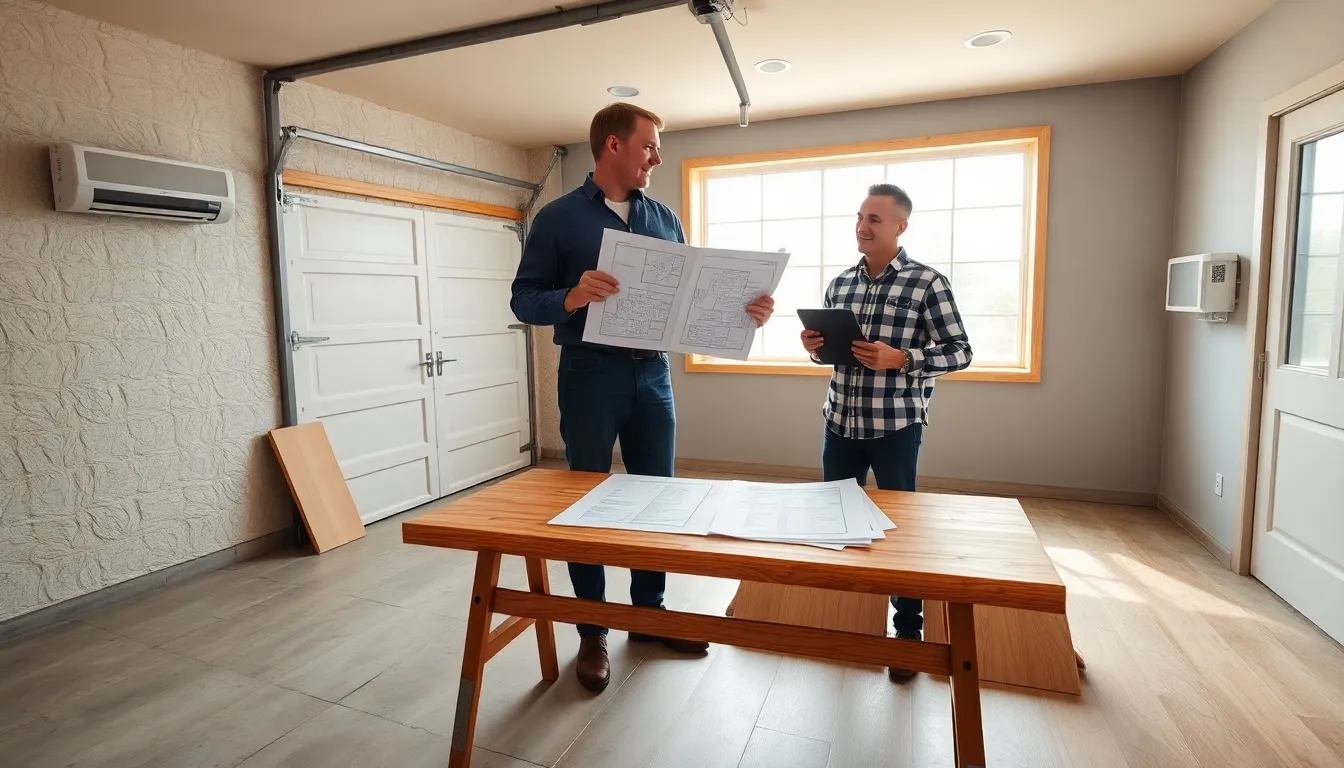
Garage conversions tips can save homeowners thousands of dollars while adding valuable living space. Converting a garage into a bedroom, home office, or gym is one of the most cost-effective ways to expand a home. The average garage conversion costs between $10,000 and $25,000, far less than building a traditional addition.
But here’s the thing: a successful garage conversion requires more than just throwing up some drywall and calling it a day. From permits to insulation to hidden costs, there are several key factors that determine whether a project adds real value or becomes a costly headache. This guide covers the essential garage conversions tips every homeowner needs before starting this transformation.
Table of Contents
ToggleKey Takeaways
- Always check local building codes and obtain proper permits before starting a garage conversion to avoid fines and complications when selling.
- Plan your layout based on intended use—whether it’s a bedroom, office, or rental unit—to guide decisions on utilities, flooring, and finishes.
- Insulation and climate control are essential garage conversions tips since garages aren’t built for comfortable living without upgrades.
- Address concrete floor challenges with moisture-resistant flooring options like luxury vinyl plank or engineered hardwood over a vapor barrier.
- Budget an extra 15-20% for hidden costs like electrical panel upgrades, foundation repairs, and code-required safety features.
- Professional plans and consultations help avoid costly mistakes and streamline the permit process for your garage conversion.
Check Local Building Codes and Permits
The first step in any garage conversion project is checking local building codes. Every city and county has different rules about converting garages into living spaces. Some areas require a minimum number of covered parking spaces per residence. Others have specific requirements for ceiling height, egress windows, and emergency exits.
Skipping permits might seem like a way to save money, but it creates serious problems down the road. Unpermitted work can result in fines, forced demolition, or complications when selling the home. Insurance companies may also deny claims related to unpermitted spaces.
Here’s what to do: visit the local building department or check their website for garage conversion requirements. Many jurisdictions require:
- A building permit application with detailed plans
- Electrical permits for new wiring and outlets
- Plumbing permits if adding a bathroom
- Inspections at various stages of construction
Some homeowners associations (HOAs) have additional restrictions on garage conversions. Review the CC&Rs before making any plans. Getting proper permits protects the investment and ensures the finished space meets safety standards. This is one of the most important garage conversions tips to follow from the start.
Plan Your Layout and Intended Use
A clear plan for the converted space makes every other decision easier. Will it become a guest bedroom? A home office? A rental unit? Each use has different requirements for layout, utilities, and finishes.
Start by measuring the garage and sketching out potential floor plans. Most two-car garages offer 400 to 500 square feet of space, enough for a comfortable studio apartment or large bedroom suite. Consider traffic flow, furniture placement, and storage needs.
Key questions to answer during planning:
- Will the space need plumbing for a bathroom or kitchenette?
- How many electrical outlets and what amp service is required?
- Should the original garage door opening become a wall with windows or remain as a large opening?
- Is natural light a priority?
Many homeowners hire an architect or designer for this phase. Professional plans help avoid costly mistakes and make the permit process smoother. Even a simple consultation can reveal issues that aren’t obvious to non-professionals.
Think about future flexibility too. A home office today might become a teenager’s bedroom in five years. Building in adaptable features, like extra outlets and good soundproofing, adds long-term value. Smart planning is among the most valuable garage conversions tips for maximizing return on investment.
Address Insulation, Heating, and Cooling
Garages are built for cars, not people. They typically have minimal insulation, no climate control, and concrete floors that stay cold year-round. Making the space comfortable requires addressing all three issues.
Insulation Options
Walls need insulation with an R-value appropriate for the local climate. In mild areas, R-13 batt insulation may suffice. Colder regions often require R-19 or higher. The ceiling is equally important, especially if there’s attic space above. Spray foam insulation offers excellent performance but costs more than fiberglass batts.
Don’t forget the garage door wall. If the original door is being removed and replaced with a framed wall, that new wall needs proper insulation. If keeping the garage door, insulated garage door panels or a replacement insulated door can help.
Heating and Cooling Solutions
Extending the home’s existing HVAC system works well in some cases. But, this approach requires confirming the current system has enough capacity. A mini-split system is another popular option. These ductless units provide both heating and cooling, install easily, and operate efficiently.
Portable heaters and window AC units work as budget alternatives, but they’re less efficient and take up floor space. For a proper living area, permanent climate control is worth the investment. Following these garage conversions tips for insulation and HVAC creates a space that’s truly livable year-round.
Upgrade Flooring and Lighting
Bare concrete floors and a single overhead bulb won’t cut it for a living space. Flooring and lighting upgrades transform the look and feel of a converted garage.
Flooring Choices
Concrete floors present a challenge because they can be cold, hard, and prone to moisture. Several solutions work well:
- Engineered hardwood or laminate: These float over the concrete and handle minor moisture well. A vapor barrier underneath is essential.
- Luxury vinyl plank (LVP): Waterproof, durable, and comfortable underfoot. LVP has become a popular choice for garage conversions.
- Carpet: Adds warmth and comfort. Use carpet tiles for easy replacement if sections get damaged.
- Epoxy coating: A budget-friendly option that keeps the industrial look while adding color and durability.
Before installing any flooring, test the concrete for moisture. Place a plastic sheet on the floor for 24 hours. If moisture collects underneath, address drainage or apply a sealant first.
Lighting Design
Garages typically have limited natural light. Adding windows, especially on the former garage door wall, makes a huge difference. Skylights or sun tunnels bring light into spaces without exterior wall access.
For artificial lighting, plan for multiple sources. Recessed ceiling lights provide general illumination. Task lighting supports specific activities. Accent lights add warmth and visual interest. Install dimmer switches for flexibility. Good lighting is one of those garage conversions tips that elevates the entire project.
Budget for Hidden Costs
Garage conversion budgets often come up short because homeowners forget about less obvious expenses. Planning for these hidden costs prevents unpleasant surprises mid-project.
Common unexpected expenses include:
- Foundation issues: Garage slabs may have cracks or be lower than the home’s main floor. Leveling or raising the floor adds cost.
- Electrical panel upgrades: Adding circuits for a new living space might exceed the panel’s capacity. Upgrading to 200-amp service typically costs $1,500 to $3,000.
- Water heater upgrades: Adding a bathroom means more hot water demand. The existing water heater might need replacement.
- Code-required changes: Inspectors may require smoke detectors, carbon monoxide alarms, or egress windows that weren’t in the original plan.
- Exterior modifications: The converted garage should match the home’s exterior. Siding, paint, and landscaping adjustments add up.
A good rule of thumb: add 15-20% to the estimated budget for contingencies. This buffer covers surprises without derailing the project. Among all garage conversions tips, proper budgeting has the biggest impact on project success and homeowner satisfaction.