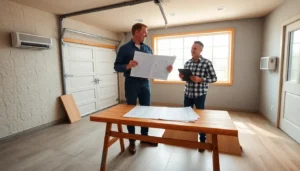
First-time homebuyers face a steep learning curve. Buying a home is likely the biggest purchase most people will ever make. The process involves dozens of steps, from saving for a down payment to signing closing documents. This guide breaks down each stage so first-time homebuyers can approach the process with confidence.
Whether someone is tired of renting or ready to build equity, understanding what lies ahead makes a huge difference. First-time homebuyers who do their assignments tend to save money, avoid surprises, and find homes that fit their needs. Let’s walk through everything beginners need to know.
Table of Contents
ToggleKey Takeaways
- First-time homebuyers should expect the home buying process to take three to six months from start to finish.
- Getting pre-approved for a mortgage before house hunting shows sellers you’re a serious buyer and helps you understand your budget.
- You don’t need 20% down—many loan programs allow first-time homebuyers to put down as little as 3% to 3.5%.
- Always get a home inspection, even in competitive markets, to avoid costly surprises after closing.
- Prepare for closing costs of 2% to 5% of the purchase price in addition to your down payment.
- Work with a real estate agent at no cost to you—sellers typically pay the buyer’s agent commission.
Understanding the Home Buying Process
The home buying process follows a predictable path, even if it doesn’t always feel that way. First-time homebuyers should expect the journey to take anywhere from three to six months, though some buyers move faster and others take longer.
Here’s the basic timeline:
- Assess finances and set a budget – This happens before house hunting begins.
- Get pre-approved for a mortgage – Lenders review income, credit, and debt to determine borrowing power.
- Search for homes – Work with a real estate agent to view properties.
- Make an offer – Submit a purchase agreement when the right home appears.
- Complete inspections and appraisal – Verify the home’s condition and value.
- Close on the home – Sign paperwork and receive the keys.
First-time homebuyers often underestimate how long each step takes. The mortgage approval process alone can require weeks of document gathering. Home inspections might reveal issues that need negotiation. Patience pays off here.
One common mistake? Falling in love with a home before getting finances in order. Smart first-time homebuyers start with the money side of things.
Preparing Your Finances Before You Buy
Money matters come first. First-time homebuyers need to understand their financial picture before browsing listings online.
Check Your Credit Score
Credit scores directly affect mortgage interest rates. A score above 740 typically qualifies for the best rates. Scores between 620 and 740 still work for most loan programs, but expect higher costs. Below 620? Some options exist, though they come with trade-offs.
First-time homebuyers should check their credit reports for errors. Disputing inaccuracies can boost scores quickly.
Save for a Down Payment and Closing Costs
The old rule about needing 20% down isn’t quite accurate anymore. Many first-time homebuyers put down as little as 3% with conventional loans. FHA loans allow 3.5% down. VA loans offer zero-down options for eligible veterans.
But down payment isn’t the only expense. Closing costs typically run 2% to 5% of the purchase price. On a $300,000 home, that’s $6,000 to $15,000 in additional cash needed at closing.
Calculate Your Debt-to-Income Ratio
Lenders look at debt-to-income ratio (DTI) to determine affordability. This number compares monthly debt payments to gross monthly income. Most lenders prefer a DTI below 43%, though some programs allow higher.
First-time homebuyers can improve their DTI by paying down credit cards or car loans before applying for a mortgage.
Getting Pre-Approved for a Mortgage
Pre-approval separates serious first-time homebuyers from casual browsers. Sellers take pre-approved offers more seriously, and agents prioritize clients who’ve completed this step.
Pre-Qualification vs. Pre-Approval
These terms get used interchangeably, but they’re different. Pre-qualification is a quick estimate based on self-reported information. Pre-approval involves actual verification of income, assets, and credit. First-time homebuyers should aim for full pre-approval.
What Lenders Need
Expect to provide:
- Pay stubs from the past 30 days
- W-2 forms from the past two years
- Tax returns (especially for self-employed buyers)
- Bank statements showing savings and assets
- Identification documents
The lender will also pull credit reports. Multiple mortgage inquiries within a 45-day window count as a single inquiry, so first-time homebuyers can shop around without damaging their scores.
Choosing a Loan Type
First-time homebuyers have several mortgage options:
- Conventional loans – Standard mortgages with competitive rates for buyers with good credit
- FHA loans – Government-backed loans with lower down payment and credit requirements
- VA loans – Available to veterans and active military with excellent terms
- USDA loans – Zero-down options for rural and suburban properties
Each loan type has pros and cons. A mortgage broker or lender can explain which fits best.
Finding the Right Home and Making an Offer
Now for the fun part. First-time homebuyers finally get to tour properties and imagine their future.
Work With a Real Estate Agent
Buyers’ agents cost first-time homebuyers nothing out of pocket, the seller typically pays their commission. A good agent knows the local market, spots potential problems, and handles negotiations.
Ask friends and family for referrals. Interview a few agents before committing.
Create a Must-Have List
Every buyer wants different things. Some first-time homebuyers prioritize location over size. Others need a specific number of bedrooms or a fenced yard. Separating “must-haves” from “nice-to-haves” keeps the search focused.
Be realistic about budget. That dream home with the gourmet kitchen won’t bring happiness if mortgage payments cause stress every month.
Making an Offer
When the right home appears, it’s time to act. The agent will help draft a purchase offer that includes:
- Offered price
- Earnest money deposit (typically 1% to 3% of the price)
- Contingencies for inspection, appraisal, and financing
- Proposed closing date
First-time homebuyers should expect some back-and-forth. Sellers might counter with different terms. This negotiation phase tests patience, but it’s normal.
Home Inspection
Never skip the inspection. First-time homebuyers sometimes waive inspections in competitive markets, a risky move. Inspectors check the roof, foundation, plumbing, electrical systems, and more. Their report might reveal issues that change the deal entirely.
Closing Day and Taking Ownership
The finish line is in sight. First-time homebuyers have one major hurdle left: the closing process.
Final Walkthrough
A day or two before closing, buyers tour the property one last time. This walkthrough confirms the home’s condition matches expectations. Verify that agreed-upon repairs were completed and nothing has changed since the inspection.
Understanding Closing Costs
Three business days before closing, the lender provides a Closing Disclosure document. This form shows the final loan terms and all costs. First-time homebuyers should review every line item. Ask questions about anything unclear.
Typical closing costs include:
- Loan origination fees
- Title insurance
- Appraisal fee
- Attorney fees (in some states)
- Prepaid property taxes and homeowner’s insurance
- Recording fees
Signing Day
Closing involves signing a lot of paperwork. First-time homebuyers should budget at least an hour for this appointment. Bring a valid ID and a certified check or wire transfer for closing costs.
Once everything is signed and funds are transferred, the keys change hands. Congratulations, it’s official.