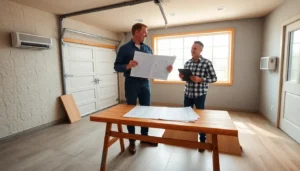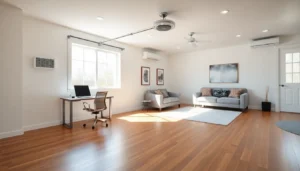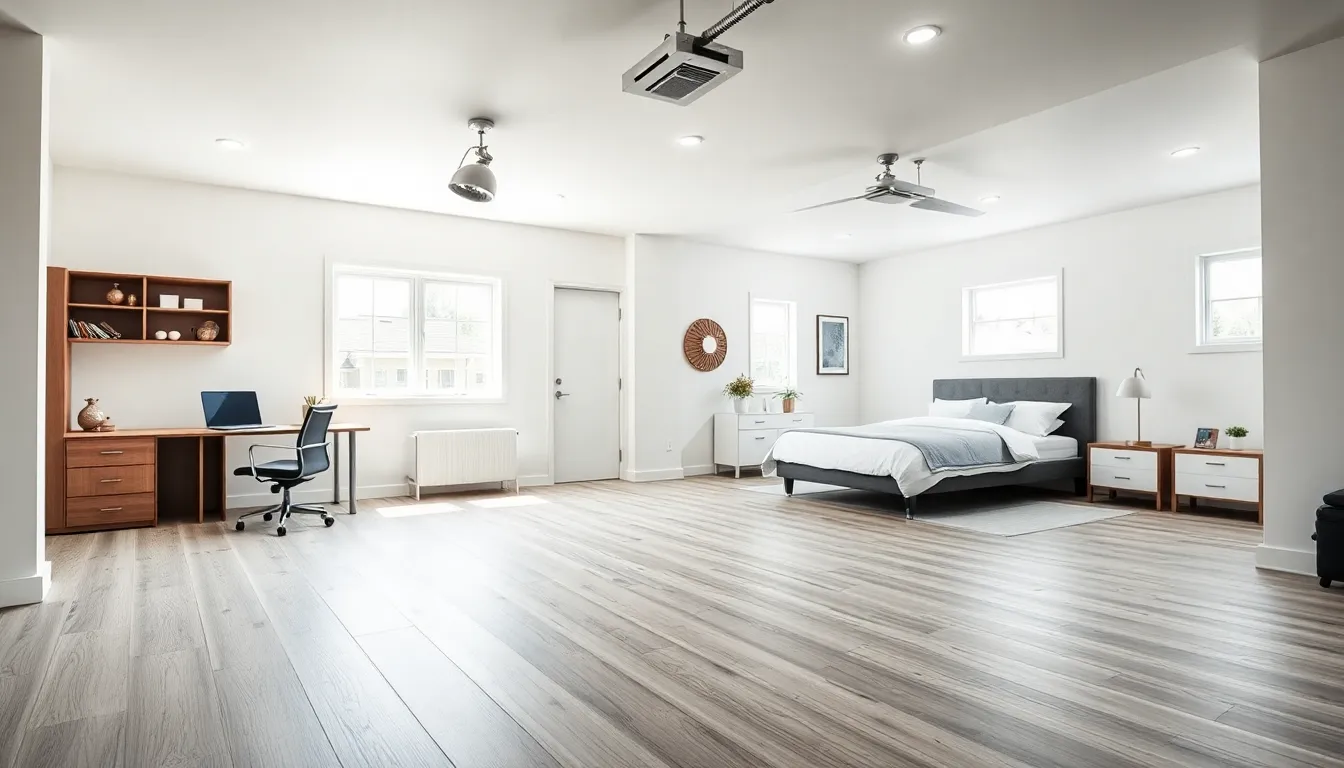
Garage conversions examples show homeowners how to turn underused square footage into functional living space. A typical two-car garage offers 400 to 600 square feet, enough room for a home office, guest suite, or personal gym. Converting a garage costs significantly less than building an addition, and it can boost property value by 10% to 15% according to real estate estimates. This guide covers practical garage conversion examples, from work-from-home setups to entertainment rooms, plus the key factors to consider before starting a project.
Table of Contents
ToggleKey Takeaways
- Garage conversions examples range from home offices and guest suites to entertainment rooms and fitness spaces, offering versatile options for every lifestyle.
- A typical two-car garage provides 400 to 600 square feet of convertible space and can boost property value by 10% to 15%.
- ADU garage conversions can generate $1,000 to $2,500 in monthly rental income and add 20% to 30% to your home’s resale value.
- Budget for garage conversions varies widely—basic projects start at $5,000, while full ADUs can exceed $100,000.
- Always check local permits and building codes before starting, as unpermitted work can create costly problems when selling your home.
- Plan for parking and storage alternatives like carports or outdoor sheds to offset the loss of garage space.
Home Office and Workspace Conversions
The rise of remote work has made home office garage conversions one of the most popular options. A converted garage provides separation from household distractions while eliminating commute time.
Layout and Design Tips
Most garage conversions examples for home offices include these elements:
- Dedicated electrical circuits for computers, monitors, and office equipment
- Insulation and climate control to maintain comfortable temperatures year-round
- Natural lighting through new windows or skylights
- Built-in storage such as shelving and filing cabinets
A single-car garage (around 200 square feet) works well for individual workspaces. Two-car garages can accommodate multiple desks or a combination office and meeting area.
Real-World Example
Consider a graphic designer who converted a detached garage into a studio. The project included adding three windows, installing laminate flooring over the concrete slab, and running ethernet cables for reliable internet. The total cost came to approximately $15,000, and the space now serves as a professional studio for client meetings.
Home office garage conversions examples also work for small businesses. Photographers use converted garages as shooting studios. Crafters set up workshops with dedicated storage for supplies. The key is matching the space to specific work requirements.
Accessory Dwelling Units and Guest Suites
Accessory dwelling units (ADUs) represent some of the most ambitious garage conversions examples. These fully functional living spaces include a bathroom, kitchenette, and sleeping area.
Why ADUs Are Growing in Popularity
Several factors drive interest in ADU garage conversions:
- Rental income potential: A garage ADU can generate $1,000 to $2,500 monthly in rental income depending on location
- Multigenerational living: Aging parents or adult children can live close by while maintaining privacy
- Property value increases: ADUs can add 20% to 30% to a home’s resale value
Guest Suite Conversions
Not every homeowner needs a full ADU. Guest suite garage conversions examples offer a simpler alternative. These typically include:
- A comfortable sleeping area with closet space
- A half or full bathroom
- Basic amenities like a mini-fridge and coffee station
Guest suites cost less than full ADUs because they skip the kitchen requirements. Budget around $20,000 to $50,000 for a guest suite versus $50,000 to $150,000 for a complete ADU.
Permit Requirements
Most jurisdictions require permits for ADU garage conversions. Check local zoning laws before planning. Some areas have minimum lot sizes, setback requirements, or caps on ADU square footage.
Entertainment and Recreation Rooms
Entertainment-focused garage conversions examples transform underused space into family gathering spots. These projects range from simple media rooms to elaborate game lounges.
Home Theater Setups
Garages make excellent home theaters because they’re typically separated from main living areas. Sound won’t disturb the rest of the house. Key components include:
- Soundproofing on walls and ceiling
- Blackout window treatments or no windows at all
- Tiered seating for optimal viewing angles
- Quality audio-visual equipment with proper wiring
A basic home theater garage conversion runs $10,000 to $25,000. High-end setups with professional-grade equipment can exceed $50,000.
Game Rooms and Entertainment Lounges
Game room garage conversions examples suit families with children or adults who enjoy entertaining. Popular features include:
- Pool tables, ping pong, or foosball
- Video game stations with multiple screens
- Bar areas with seating
- Dart boards and arcade machines
One homeowner converted a three-car garage into a sports bar-style lounge. The space features a 75-inch TV, full bar with tap system, and shuffleboard table. It’s become the neighborhood gathering spot for game days.
Gym and Wellness Spaces
Fitness-focused garage conversions examples have surged since 2020. A home gym eliminates monthly membership fees and offers 24/7 access.
Equipment and Layout Planning
The best gym garage conversions examples maximize limited space. Consider these factors:
- Flooring: Rubber gym flooring protects concrete and reduces noise
- Ceiling height: Standard garage ceilings (8-9 feet) accommodate most equipment, but overhead presses may need modifications
- Ventilation: Add fans or HVAC to manage temperature during workouts
- Mirrors: Wall-mounted mirrors help with form and make spaces feel larger
Budget Breakdown
A functional home gym garage conversion can cost anywhere from $5,000 to $30,000:
| Item | Cost Range |
|---|---|
| Flooring | $500 – $2,000 |
| Climate control | $1,500 – $5,000 |
| Cardio equipment | $500 – $5,000 |
| Weight equipment | $1,000 – $10,000 |
| Mirrors and accessories | $500 – $2,000 |
Wellness Room Variations
Some garage conversions examples focus on wellness beyond traditional fitness. Yoga studios need minimal equipment but benefit from natural light and calming design. Meditation spaces work well in smaller garages. Spa-like retreats can include saunas, massage tables, and soaking tubs.
Key Considerations Before Converting Your Garage
Before reviewing garage conversions examples and starting a project, homeowners should address several practical matters.
Permits and Building Codes
Most garage conversions require building permits. Common code requirements include:
- Minimum ceiling height (usually 7 feet 6 inches)
- Egress windows for bedrooms
- Electrical panel upgrades
- Smoke and carbon monoxide detectors
Skipping permits can create problems when selling the home. Unpermitted work may need to be demolished or brought up to code.
Parking and Storage Solutions
Converting a garage means losing parking and storage space. Plan alternatives:
- Carports or covered parking for vehicle protection
- Outdoor sheds for tools and seasonal items
- Driveway extensions for additional parking
Budget Planning
Garage conversions examples vary widely in cost. Basic conversions start around $5,000 to $10,000. Mid-range projects run $15,000 to $40,000. High-end ADUs can exceed $100,000.
Get multiple contractor quotes. Factor in a 10% to 20% contingency for unexpected issues like electrical upgrades or foundation repairs.
Return on Investment
Garage conversions typically recoup 50% to 80% of their cost at resale. ADUs often return more because they add usable square footage to property records.