Garage conversion techniques offer homeowners a practical way to add living space without building an addition. A converted garage can become a home office, guest suite, rental unit, or entertainment room. The process requires careful planning, but the results often add significant value to a property.
This guide covers the essential garage conversion techniques every homeowner should understand. From permits and insulation to flooring and lighting, each step plays a critical role in creating a functional, comfortable space. Whether the goal is extra income from a rental or simply more room for a growing family, the right approach makes all the difference.
Table of Contents
ToggleKey Takeaways
- Garage conversion techniques allow homeowners to add valuable living space without building a traditional home addition.
- Always check local zoning laws and obtain proper permits before starting a garage conversion to avoid issues with home sales and insurance.
- Proper insulation—including walls, ceiling, and floor—is essential for creating a comfortable, energy-efficient converted space.
- Popular flooring options like Luxury Vinyl Plank (LVP), engineered hardwood, and epoxy coatings each suit different conversion purposes.
- Electrical upgrades typically require a licensed electrician to add circuits, outlets, and lighting that meet building codes.
- Common garage conversion ideas include ADUs for rental income, home offices, gyms, guest suites, and entertainment rooms.
Planning and Permits for Your Garage Conversion
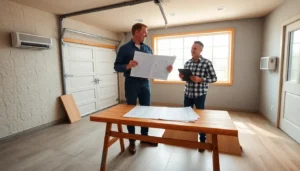
Every successful garage conversion starts with solid planning. Homeowners should first check local zoning laws and building codes. Many municipalities require permits for garage conversions, especially when adding plumbing or electrical work.
The permit process typically involves submitting floor plans and construction details to the local building department. Some areas have restrictions on garage conversions, particularly if the property lacks alternative parking. HOA rules may also limit what changes are allowed.
Key planning steps include:
- Measure the space and create a detailed floor plan
- Research local codes for ceiling height, egress windows, and ventilation requirements
- Get multiple contractor quotes if not doing the work yourself
- Set a realistic budget that includes a 10-15% contingency for surprises
Skipping permits might seem tempting, but unpermitted work can cause problems during home sales. Insurance companies may also deny claims for unpermitted construction. Taking time to plan garage conversion techniques properly protects the investment long-term.
Insulation and Climate Control Methods
Most garages lack proper insulation. This makes climate control one of the most important garage conversion techniques to master. Without adequate insulation, the new space will be uncomfortable and expensive to heat or cool.
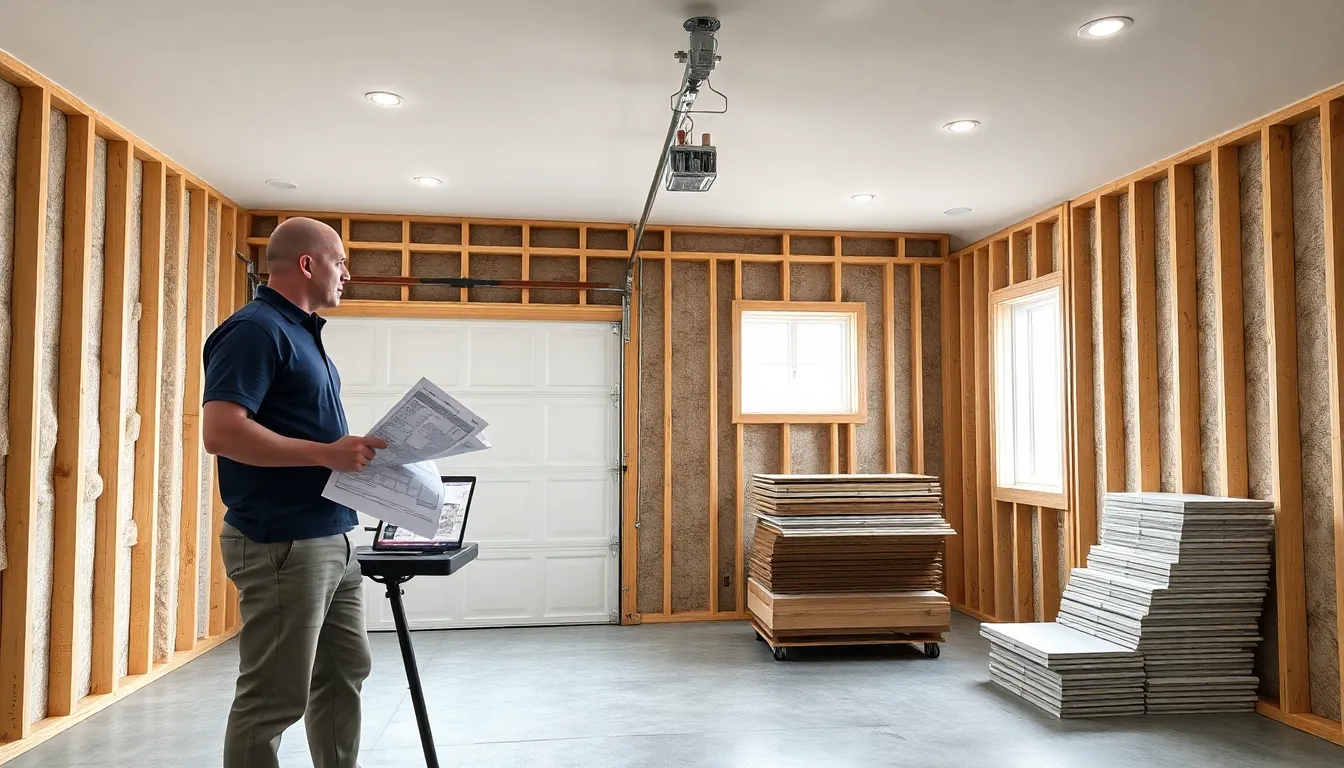
Wall insulation options include fiberglass batts, blown-in cellulose, and spray foam. Spray foam costs more but provides superior air sealing and R-value per inch. For garage conversions, R-13 to R-19 wall insulation works well in most climates.
The garage door opening presents a unique challenge. Most conversions frame in this opening with a standard wall. Adding insulation here is critical since this large area was previously uninsulated.
Ceiling insulation matters too. If the space above the garage is unfinished attic, adding R-38 or higher insulation keeps temperatures stable. Some homeowners install a mini-split HVAC system for independent climate control. These units are efficient and don’t require ductwork.
Don’t forget the floor. Concrete slab floors conduct cold from the ground. Insulated subfloor systems or radiant floor heating solve this problem effectively. Proper insulation transforms a drafty garage into a year-round living space.
Flooring Options for Converted Garages
Garage floors need special attention during conversion. The existing concrete slab is typically uneven, cold, and prone to moisture problems. Several garage conversion techniques address these issues.
Luxury Vinyl Plank (LVP) has become a popular choice. It’s waterproof, durable, and installs directly over concrete with minimal prep. LVP mimics wood or stone at a fraction of the cost.
Engineered hardwood offers a more upscale look. But, it requires a vapor barrier and flat subfloor. Moisture testing should happen before installation since concrete can wick water from below.
Carpet tiles work well for home offices or playrooms. They’re easy to install and replace individual tiles if damaged. The padding provides warmth and comfort underfoot.
Epoxy coatings suit workshop or gym conversions. This affordable option creates a durable, easy-to-clean surface. Multiple colors and finishes are available.
Before choosing flooring, check the concrete for moisture. A simple plastic sheet test reveals if vapor barriers are needed. Addressing moisture early prevents flooring failures later. The right flooring choice depends on the intended use of the converted space.
Lighting and Electrical Upgrades
Garages typically have minimal lighting and few electrical outlets. Upgrading both is essential for any garage conversion. These garage conversion techniques require careful planning and often professional help.
Natural light improves any living space. Options include:
- Windows in the framed-in garage door opening
- Skylights or sun tunnels in the ceiling
- Glass doors leading to the backyard
For artificial lighting, recessed LED fixtures provide clean, even illumination. A mix of ambient, task, and accent lighting creates a comfortable atmosphere. Dimmer switches add flexibility for different activities.
Electrical capacity often needs upgrading. Most garages have only one or two circuits. A converted living space may need dedicated circuits for HVAC, appliances, and general use. The electrical panel might require an upgrade if it’s already near capacity.
Code requirements typically mandate outlets every 12 feet along walls. Bathrooms and kitchens need GFCI outlets. Smoke and carbon monoxide detectors are usually required in sleeping areas.
Hiring a licensed electrician ensures the work meets code and passes inspection. Electrical mistakes create fire hazards, so this isn’t the place to cut corners on garage conversion techniques.
Popular Garage Conversion Ideas
Garage conversion techniques open up many possibilities. The best use depends on household needs, budget, and local regulations.
Accessory Dwelling Units (ADUs) generate rental income or house family members. These full apartments include kitchens and bathrooms. Many cities now encourage ADU construction to address housing shortages.
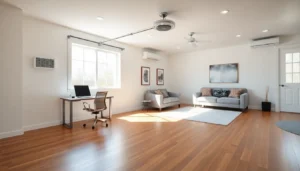
Home offices have grown in demand. A converted garage provides separation from household distractions. Built-in desks, storage, and good internet connectivity make the space productive.
Home gyms eliminate commute time and monthly fees. Rubber flooring, mirrors, and proper ventilation create an effective workout space. Some conversions include a small bathroom with a shower.
Guest suites add hosting capacity. A bedroom with an en-suite bathroom gives visitors privacy. This setup also works well for aging parents or adult children.
Entertainment rooms serve the whole family. Options range from home theaters with projectors to game rooms with pool tables. Sound insulation keeps noise from disturbing neighbors.
Art studios or workshops benefit from the garage’s original features. Large doors allow easy material delivery. Durable flooring handles spills and heavy equipment.
Each conversion type has specific requirements. ADUs need plumbing and full kitchens. Gyms need reinforced floors. Matching garage conversion techniques to the intended purpose ensures the best results.