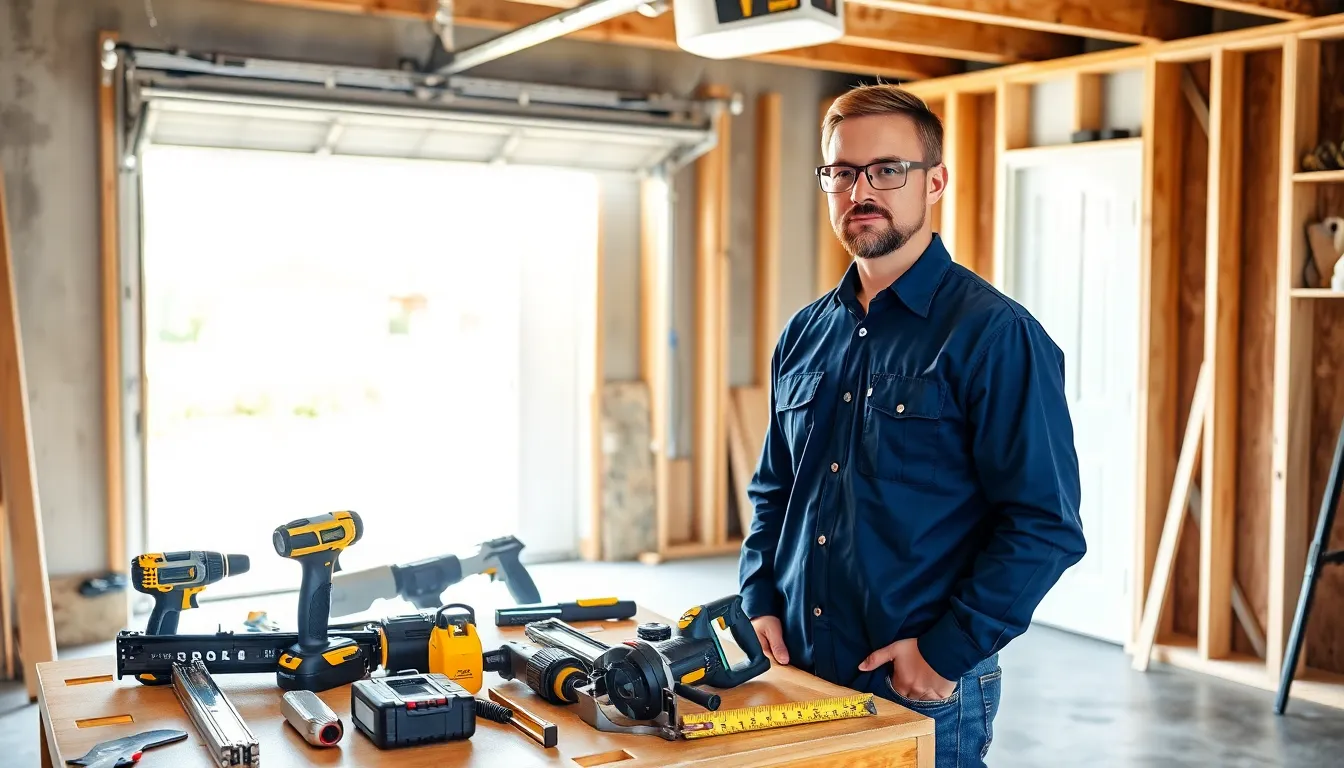
Garage conversions tools can make or break a renovation project. Transforming an unused garage into a functional living space requires more than just enthusiasm, it demands the right equipment. Whether someone plans to create a home office, guest bedroom, or rental unit, having proper tools ensures the job gets done efficiently and safely.
A garage conversion typically involves framing, electrical work, plumbing, insulation, and finishing. Each phase requires specific tools. Skipping essential equipment often leads to costly mistakes, delays, and frustration. This guide covers the must-have garage conversions tools organized by project phase, helping DIY enthusiasts and contractors alike prepare for success.
Table of Contents
ToggleKey Takeaways
- Having the right garage conversions tools organized by project phase—measuring, framing, electrical, plumbing, and finishing—prevents costly mistakes and delays.
- Accurate measuring and layout tools like laser levels, tape measures, and stud finders form the foundation of a successful garage conversion.
- Power tools such as circular saws, impact drivers, and framing nailers make construction work faster, safer, and more precise.
- Specialized electrical and plumbing tools ensure code-compliant installations, even if licensed professionals handle the actual work.
- Finishing tools including drywall knives, paint sprayers, and brad nailers transform rough construction into a polished living space.
- Safety equipment like eye protection, respirators, and work gloves should be treated as essential garage conversions tools—not optional add-ons.
Measuring and Layout Tools
Accurate measurements form the foundation of any successful garage conversion. Even small errors can cascade into major problems during framing, drywall installation, and finishing work.
Tape Measures and Laser Distance Measurers
A quality 25-foot tape measure handles most measurement tasks. For larger garages, a laser distance measurer speeds up the process and reduces human error. These devices calculate room dimensions in seconds and store multiple readings.
Levels and Squares
A 4-foot level checks walls and floors for plumb and level conditions. A speed square helps mark accurate 90-degree and 45-degree angles on lumber. For larger layouts, a framing square ensures corners stay perfectly square during wall construction.
Chalk Lines and Stud Finders
Chalk lines snap straight reference marks across long distances, essential for laying out wall positions on concrete floors. Electronic stud finders locate existing framing members when tying new walls into the garage structure.
Many professionals also keep a laser level in their garage conversions tools arsenal. This device projects perfectly level lines across entire rooms, making it invaluable for installing drop ceilings, cabinets, and trim work.
Power Tools for Framing and Construction
Framing transforms an empty garage into defined spaces. The right power tools make this physically demanding work faster and more precise.
Circular Saws and Miter Saws
A 7¼-inch circular saw cuts lumber, plywood, and OSB sheathing quickly. For repetitive angle cuts on trim and framing members, a compound miter saw delivers consistent results. A 10-inch or 12-inch model handles most residential framing tasks.
Drills and Impact Drivers
Cordless drills bore holes for wiring and plumbing runs. Impact drivers sink screws with less wrist fatigue than standard drills. Most contractors carry both tools, often as a matched set sharing the same battery platform.
Nail Guns
Framing nailers drive 3½-inch nails into wall studs in a fraction of the time hand-nailing requires. A finish nailer handles trim installation later in the project. Pneumatic models need an air compressor, while cordless battery-powered versions offer greater mobility.
Reciprocating Saws
Reciprocating saws cut through existing materials during demolition. They slice through wood, metal pipes, and nails with ease. When modifying existing garage walls or creating new window openings, this tool proves indispensable.
Having these garage conversions tools ready before starting construction prevents frustrating trips to the hardware store mid-project.
Electrical and Plumbing Tools
Most garage conversions require new electrical circuits and sometimes plumbing. These specialized tools ensure safe, code-compliant installations.
Electrical Tools
Wire strippers remove insulation from electrical cables without damaging conductors. Lineman’s pliers twist wires together and cut cables cleanly. A non-contact voltage tester confirms circuits are dead before working on them, a critical safety step.
Fish tape pulls new wiring through walls and ceilings. An electrical multimeter tests voltage, continuity, and resistance during troubleshooting.
Plumbing Tools
Pipe wrenches grip and turn threaded pipes. Adjustable wrenches tighten compression fittings on supply lines. PEX crimping tools connect flexible PEX tubing with reliable, leak-free joints.
A pipe cutter produces clean, square cuts on copper and PEX tubing. For drain lines, PVC cutters or a hacksaw with a miter box work well.
Specialty Considerations
Some jurisdictions require licensed professionals for electrical and plumbing work. Even so, understanding the garage conversions tools involved helps homeowners communicate effectively with contractors and inspect finished work.
Finishing and Detail Work Tools
Finishing work transforms rough construction into a polished living space. These tools demand precision and patience.
Drywall Tools
A drywall T-square guides straight cuts across full sheets. Utility knives score the paper face before snapping boards. Drywall saws cut openings for electrical boxes and vents.
For taping and mudding, a set of drywall knives in 6-inch, 10-inch, and 12-inch widths covers most applications. A mud pan holds joint compound within easy reach. Power sanders with vacuum attachments reduce dust during final smoothing.
Painting Equipment
Quality brushes and rollers apply paint evenly. A paint sprayer speeds up large wall surfaces but requires more setup and masking time. Painter’s tape protects trim, windows, and fixtures from stray paint.
Trim and Flooring Tools
A coping saw creates tight-fitting inside corners on baseboard and crown molding. A brad nailer attaches trim without splitting the wood. For flooring installation, a pull bar and tapping block help snap laminate or engineered wood planks together.
These garage conversions tools bridge the gap between rough construction and a finished space ready for furniture and occupancy.
Safety Equipment You Should Not Skip
Construction sites present real hazards. Proper safety equipment protects against injuries that could sideline a project, or worse.
Eye and Ear Protection
Safety glasses shield eyes from flying debris during cutting and demolition. Sawdust, metal shavings, and concrete particles cause serious eye injuries. Earplugs or earmuffs protect hearing from power tool noise. Prolonged exposure to circular saws and nail guns damages hearing permanently.
Respiratory Protection
N95 masks filter dust during demolition, sanding, and insulation work. For spray painting or working with adhesives, a respirator with organic vapor cartridges provides adequate protection.
Hand and Body Protection
Work gloves prevent cuts, splinters, and blisters. Leather gloves handle rough lumber and sheet metal safely. A hard hat protects against falling objects in overhead work zones. Steel-toed boots prevent crushing injuries from dropped materials.
First Aid Kit
Every job site needs a stocked first aid kit. Minor cuts, scrapes, and splinters happen regularly during construction. Having bandages, antiseptic, and basic medical supplies within reach prevents small injuries from becoming bigger problems.
Smart contractors consider safety equipment an essential part of their garage conversions tools collection, not an afterthought.