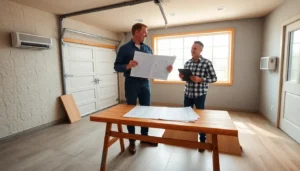
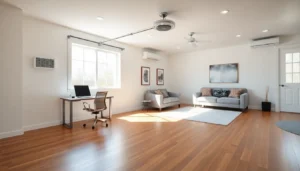
Garage conversions trends 2026 point toward smarter, more sustainable, and highly functional living spaces. Homeowners are rethinking their garages as valuable square footage rather than storage dumps. The demand for flexible home layouts continues to grow, and converted garages offer a practical solution. From home offices to rental units, these spaces are becoming essential parts of modern homes.
This year, several key trends will shape how people approach garage conversions. Multi-functional designs, eco-friendly materials, smart home technology, and income-generating ADUs are leading the way. Understanding these trends helps homeowners make informed decisions before starting their projects.
Table of Contents
ToggleKey Takeaways
- Garage conversions trends 2026 focus on multi-functional spaces that serve as home offices, guest rooms, and wellness areas using adaptable furniture like Murphy beds and modular storage.
- Sustainable design is a top priority, with eco-friendly insulation, solar panels, and reclaimed materials reducing energy costs by 20-30%.
- Smart technology integration—including Wi-Fi thermostats, voice-controlled lighting, and smart locks—makes converted garages more comfortable and secure.
- Accessory dwelling units (ADUs) are driving garage conversions, offering rental income potential of $1,000 to $2,500 monthly.
- Well-executed garage conversions can increase property values by 20-30% while providing flexible housing solutions for families.
- Check local zoning regulations before starting your project, as many cities have relaxed ADU restrictions in recent years.
Rise of Multi-Functional Living Spaces
Garage conversions in 2026 are moving away from single-purpose rooms. Homeowners want spaces that serve multiple functions throughout the day. A home office that doubles as a guest bedroom makes practical sense. A fitness area that converts to a playroom adds flexibility for growing families.
This shift reflects changing work and lifestyle patterns. Remote work remains common, and people need dedicated workspaces at home. At the same time, they don’t want to sacrifice room for other activities. Multi-functional garage conversions solve this problem.
Furniture plays a key role in these designs. Murphy beds fold into walls when not needed. Modular desks and storage systems adapt to different uses. Room dividers create separate zones within the same space. These elements allow one converted garage to serve as two or three rooms.
Builders report increased interest in garage conversions that combine home offices with wellness areas. Think standing desks near yoga mats, or video conferencing setups beside meditation corners. The goal is creating spaces that support both productivity and personal well-being.
Another popular combination pairs creative studios with guest quarters. Artists, musicians, and content creators want dedicated workspace that can also accommodate visitors. Garage conversions provide the square footage and privacy these uses require.
Sustainable and Energy-Efficient Designs
Sustainability will define garage conversions trends 2026 more than any previous year. Homeowners are prioritizing eco-friendly materials and energy-efficient systems. This shift saves money on utility bills and reduces environmental impact.
Insulation upgrades top the list of sustainable improvements. Many older garages lack proper insulation, making them energy hogs when converted to living spaces. Spray foam and recycled denim insulation offer effective, eco-conscious options. Proper insulation reduces heating and cooling costs by 20-30%.
Window selection matters for energy efficiency in garage conversions. Double or triple-pane windows with low-E coatings prevent heat loss. Strategically placed windows also maximize natural light, reducing electricity use during daytime hours.
Solar panels are becoming standard features in garage conversion projects. Rooftop installations can power the converted space or feed excess energy back to the grid. Some homeowners pair solar panels with battery storage for complete energy independence.
Reclaimed and recycled building materials add character while reducing waste. Salvaged wood flooring, recycled metal fixtures, and reclaimed brick accents give garage conversions unique visual appeal. These materials often cost less than new alternatives.
Water-saving fixtures round out sustainable garage conversions. Low-flow faucets, dual-flush toilets, and greywater systems minimize water waste. These features appeal to environmentally conscious homeowners and can increase property values.
Smart Technology Integration
Smart technology integration stands out among garage conversions trends 2026. Connected devices and automated systems make converted spaces more comfortable, secure, and efficient.
Smart climate control leads the technology trend. Wi-Fi thermostats learn usage patterns and adjust temperatures automatically. Zone heating and cooling systems treat the converted garage independently from the main house. This approach prevents energy waste and maintains consistent comfort.
Voice-controlled lighting systems are standard in modern garage conversions. Homeowners can adjust brightness, color temperature, and scenes with simple commands. Motion sensors turn lights on and off automatically, adding convenience and reducing electricity use.
Security technology protects converted garage spaces. Smart locks provide keyless entry with phone-based access codes. Video doorbells and security cameras monitor the area. These features are especially important for garage conversions with separate exterior entrances.
Integrated entertainment systems turn garage conversions into media rooms. Wireless speakers, smart TVs, and streaming devices create immersive experiences. Some homeowners install hidden screens and projectors that disappear when not in use.
Network infrastructure supports all this technology. Garage conversions now include dedicated Wi-Fi access points and ethernet connections. Strong connectivity ensures smart devices work reliably and supports remote work needs.
Accessory Dwelling Units and Rental Potential
ADUs represent a major driver of garage conversions trends 2026. Converting garages into accessory dwelling units creates rental income opportunities and housing flexibility.
Housing costs continue rising across the country. ADUs offer an affordable housing option in established neighborhoods. Garage conversions cost significantly less than new construction while providing similar living space. Average conversion costs range from $20,000 to $50,000 depending on scope and location.
Many cities have relaxed zoning restrictions for ADUs in recent years. California, Oregon, and Washington lead with progressive ADU policies. Other states are following their example. Homeowners should check local regulations before starting garage conversion projects.
Rental income potential makes garage conversions attractive investments. ADUs can generate $1,000 to $2,500 monthly depending on location and amenities. This income helps homeowners offset mortgage payments or fund retirement.
Family housing needs also drive ADU conversions. Adult children returning home, aging parents needing nearby care, or boomerang relatives all benefit from separate living quarters. Garage conversions provide privacy and independence while keeping family close.
Short-term rental platforms create additional income opportunities. Garage ADUs work well as Airbnb or Vrbo listings in tourist areas. Some homeowners earn more from short-term rentals than traditional leases, though local regulations may limit this option.
Property values typically increase with well-executed garage conversions. Real estate experts estimate ADUs add 20-30% to home values in strong markets. This appreciation makes garage conversions smart financial decisions beyond immediate rental income.