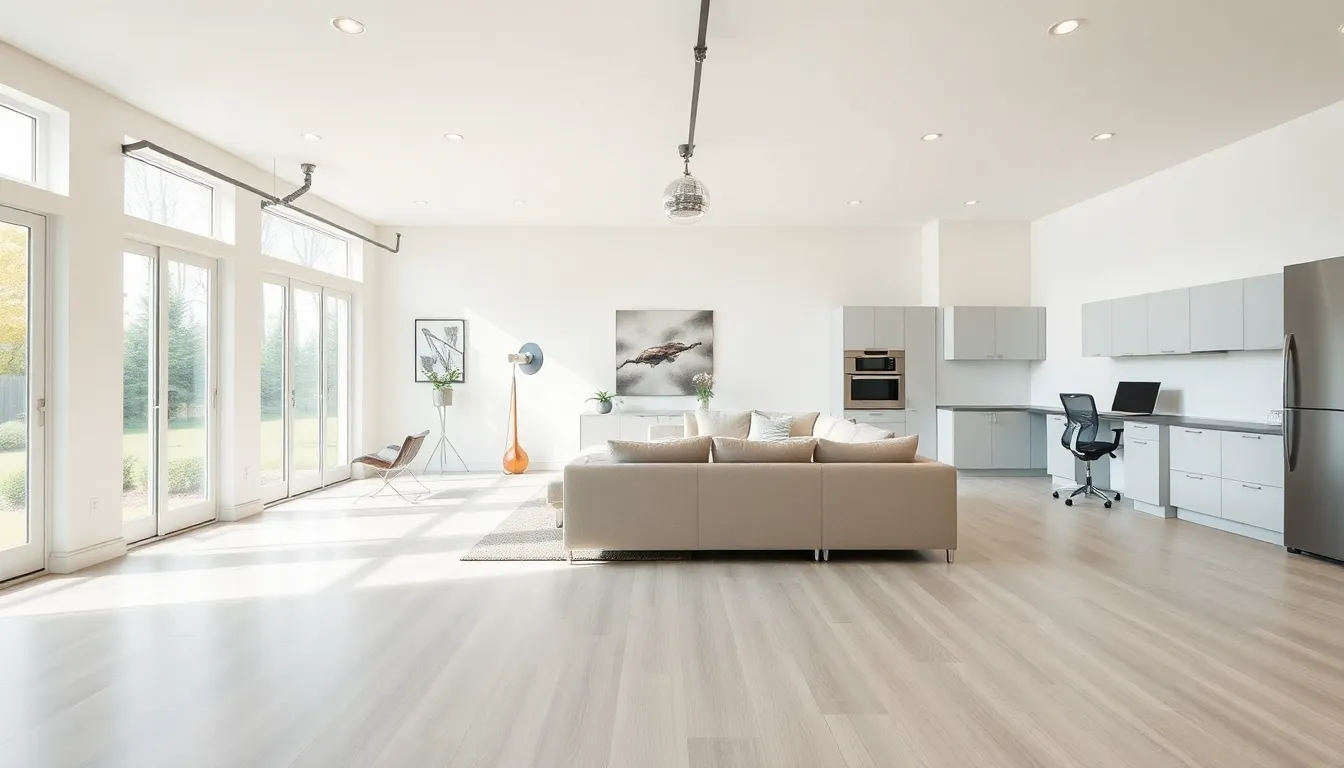
A garage conversion transforms an existing garage into functional living space. Homeowners across the country choose garage conversions to add bedrooms, home offices, rental units, or entertainment areas without building new additions. This approach saves money compared to traditional construction while increasing usable square footage.
The process involves converting the structure from vehicle storage to a habitable room. Most garage conversions cost between $10,000 and $50,000, depending on the scope and finish quality. Many homeowners complete basic conversions in four to eight weeks.
This guide covers how garage conversions work, popular conversion types, key benefits, and important factors to consider before starting your project.
Table of Contents
ToggleKey Takeaways
- A garage conversion transforms your existing garage into functional living space like a bedroom, home office, or rental unit for $10,000 to $50,000.
- Garage conversions cost about 50% less per square foot than traditional room additions since the foundation, walls, and roof already exist.
- Most garage conversions take just four to eight weeks to complete, causing less disruption than building a new addition.
- Converting a garage can increase your home’s value by 60% to 80% of the project cost while adding official living square footage.
- Always obtain proper permits before starting a garage conversion to avoid fines, insurance issues, and complications when selling your home.
- Garage conversion ADUs can generate $800 to $2,000 or more in monthly rental income, potentially paying for themselves within five to seven years.
How Garage Conversions Work
A garage conversion follows a clear sequence of steps. The process begins with planning and ends with a fully finished living space.
Assessment and Design
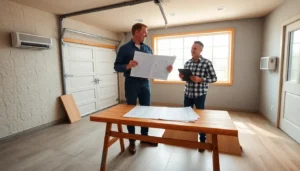
First, homeowners evaluate their garage’s current condition. They check the foundation, walls, ceiling height, and existing utilities. A professional inspector can identify structural issues that need attention. Most attached garages share a foundation with the main house, which simplifies the conversion process.
Design comes next. Homeowners decide how they want to use the space and create a floor plan. This stage determines where to place windows, doors, electrical outlets, and plumbing fixtures.
Permits and Approvals
Before construction begins, homeowners must obtain the proper permits. Local building departments review plans to ensure they meet safety codes. Garage conversions typically require permits for electrical work, plumbing, and structural changes. Skipping this step can lead to fines and complications when selling the home.
Construction Phase
The construction phase includes several key tasks:
- Insulation: Walls and ceiling receive insulation to regulate temperature
- Electrical: Contractors install outlets, switches, and lighting fixtures
- Plumbing: If the space includes a bathroom or kitchen, plumbing lines are added
- HVAC: Heating and cooling systems extend into the new space
- Flooring: Concrete garage floors get leveled and covered with finished flooring
- Windows and Doors: The garage door is replaced with a wall, windows, and a standard entry door
Final Inspection
After construction, a building inspector verifies the work meets code requirements. Once approved, the garage conversion becomes official living space on property records.
Popular Types of Garage Conversions
Homeowners convert garages into many different types of spaces. The best choice depends on household needs and local rental markets.
Accessory Dwelling Units (ADUs)
ADUs are self-contained living spaces with a bedroom, bathroom, and kitchen. Many homeowners create garage conversions as ADUs to house aging parents or generate rental income. California, Oregon, and other states have relaxed zoning laws to encourage ADU construction. A garage conversion ADU typically costs less than building a detached unit from scratch.
Home Offices
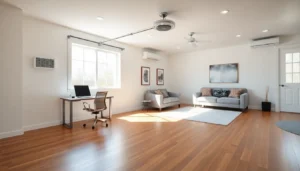
Remote work has increased demand for dedicated home office space. A garage conversion provides separation from household distractions. These conversions usually require fewer modifications since they don’t need plumbing. Adding proper insulation, lighting, and internet connectivity creates a productive workspace.
Extra Bedrooms
Growing families often need more bedrooms. A garage conversion adds sleeping space without moving to a larger home. These projects require egress windows for safety and closet space to qualify as a legal bedroom.
Entertainment Rooms
Home theaters, game rooms, and fitness areas work well in converted garages. The separate entrance keeps noise away from main living areas. Soundproofing during a garage conversion improves the experience for both users and neighbors.
Rental Units
Garage conversions can generate monthly income. In high-demand rental markets, converted garages rent for $800 to $2,000 or more per month. This income helps homeowners offset mortgage payments and build equity faster.
Benefits of Converting Your Garage
Garage conversions offer several advantages over other home improvement options.
Lower Cost Than Traditional Additions
A garage conversion costs roughly 50% less per square foot than a new room addition. The existing structure, foundation, walls, and roof, already exists. Homeowners pay primarily for finishing work rather than new construction. This makes garage conversions accessible for more budgets.
Faster Completion Time
Most garage conversions finish in one to two months. Traditional additions take three to six months or longer. Less construction time means less disruption to daily life and lower labor costs.
Increased Property Value
A well-executed garage conversion adds square footage to a home’s official living area. Real estate appraisers value living space higher than garage space. Studies show that garage conversions return 60% to 80% of their cost in increased home value. In markets where parking isn’t critical, the return can be even higher.
No Land Required
Garage conversions use existing footprint. Homeowners don’t need extra yard space or setback variances. This matters especially in urban areas where lots are small and expansion options are limited.
Rental Income Potential
Converted garages generate passive income when rented. A garage conversion ADU in a strong rental market can pay for itself within five to seven years. After that, the income becomes profit.
Energy Efficiency
Modern garage conversions include quality insulation and efficient windows. The improved building envelope often reduces overall home energy costs. Some homeowners add solar panels during the conversion to offset new electrical loads.
Key Considerations Before You Start
Several factors affect garage conversion success. Homeowners should evaluate these issues before beginning.
Parking Impact
Removing a garage eliminates covered parking. Some neighborhoods require off-street parking spaces. Check local ordinances and HOA rules before proceeding. Street parking availability matters too.
Budget Planning
Garage conversion costs vary widely based on:
- Size of the garage
- Condition of existing structure
- Desired finish level
- Plumbing requirements
- Local labor rates
Get multiple quotes from licensed contractors. Set aside 15% to 20% extra for unexpected expenses.
Ceiling Height
Many garages have lower ceilings than standard rooms. Building codes typically require minimum ceiling heights of 7 feet 6 inches for habitable space. Raising a garage ceiling adds significant cost. Measure carefully during planning.
Foundation and Floor Level
Garage floors sit lower than house floors in most homes. A garage conversion may need a raised floor system to match interior levels and accommodate insulation. This adds cost but improves livability.
Permits and Building Codes
Permits protect homeowners and future buyers. A garage conversion without permits can create serious problems:
- Fines from local authorities
- Requirement to remove unpermitted work
- Difficulty selling the home
- Insurance complications
- Safety risks from uninspected work
Building codes vary by location. Common requirements include:
- Egress: Bedrooms need windows large enough for emergency escape
- Electrical: Sufficient outlets, proper circuit capacity, and GFCI protection in wet areas
- Ventilation: Adequate airflow through windows or mechanical systems
- Fire safety: Smoke detectors, carbon monoxide detectors, and fire-rated assemblies where required
Hiring a licensed contractor familiar with local garage conversion codes simplifies the permit process. They handle paperwork and ensure work passes inspection.