Finding the best rural housing options starts with understanding what country living actually demands. Wide open spaces, slower pace, and freedom from city noise, these perks come with unique housing considerations. Rural properties require different infrastructure than suburban homes. Well water, septic systems, and longer driveways all factor into the decision.
The good news? Buyers have more housing styles to choose from than ever before. From century-old farmhouses to modern modular builds, rural housing has expanded well beyond the classic country home. Each option brings distinct advantages depending on budget, timeline, and lifestyle priorities. This guide breaks down the most popular rural housing options and helps readers determine which one fits their needs.
Table of Contents
ToggleKey Takeaways
- The best rural housing options include traditional farmhouses, modular homes, barndominiums, and tiny homes—each suited to different budgets and lifestyles.
- Traditional farmhouses offer character and land but require higher maintenance budgets for older systems like plumbing and electrical.
- Modular homes provide a cost-effective middle ground with modern amenities and faster construction timelines than site-built homes.
- Barndominiums cost 30-50% less than traditional homes and combine living space with built-in workshop or storage areas.
- Always verify local zoning laws before purchasing, as regulations for manufactured homes, tiny houses, and non-traditional structures vary widely by county.
- Consider infrastructure needs like wells, septic systems, and off-grid power when evaluating the best rural housing options for your property.
Traditional Farmhouses and Homesteads
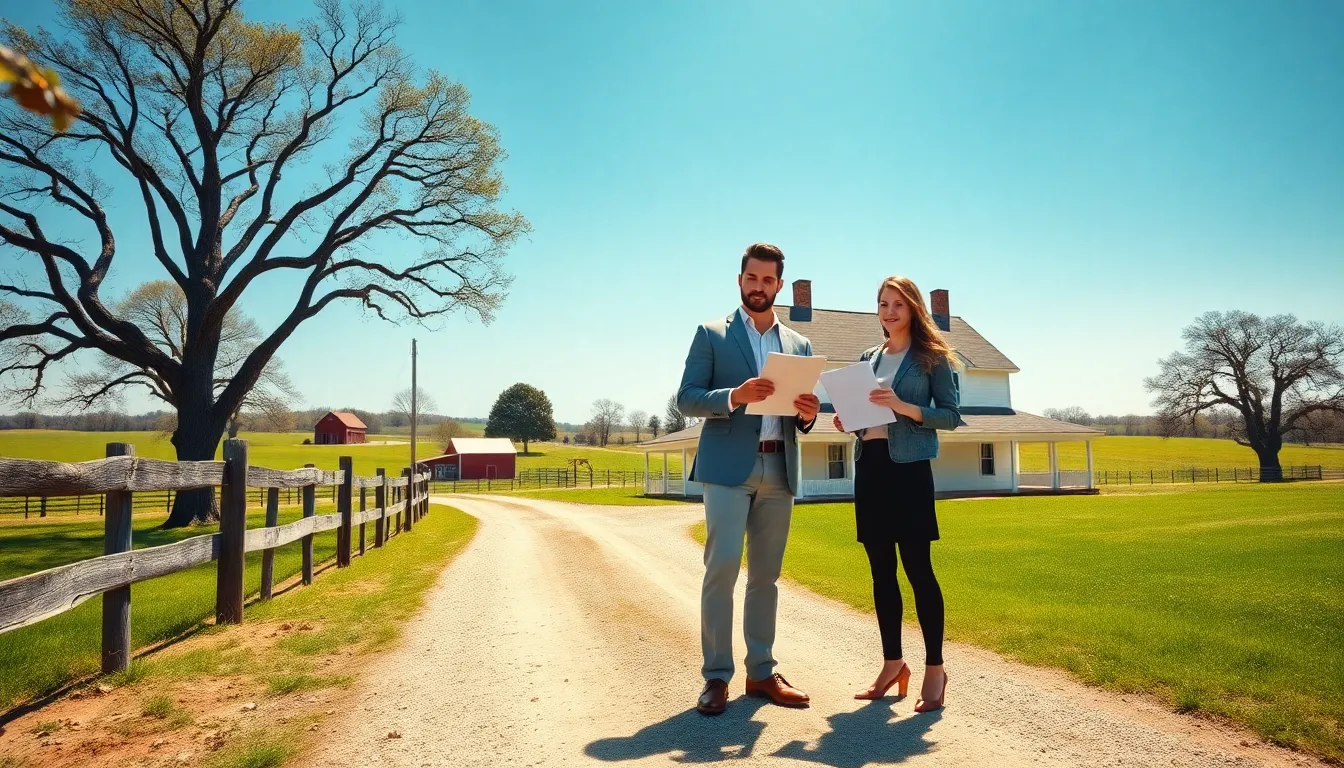
Traditional farmhouses remain one of the best rural housing options for buyers who want character and history. These homes typically sit on larger parcels of land, often five acres or more. Many include outbuildings like barns, sheds, and workshops that support agricultural activities or hobby farming.
Farmhouses built before 1950 often feature solid construction with materials like stone, brick, or heavy timber framing. The craftsmanship in these older homes can be impressive, think original hardwood floors, wraparound porches, and high ceilings. But, older homes also mean older systems. Buyers should budget for electrical upgrades, plumbing repairs, and insulation improvements.
Homesteads take the farmhouse concept further. These properties are designed for self-sufficient living with gardens, livestock areas, and sometimes even off-grid power systems. A true homestead requires commitment. It’s not just a house, it’s a lifestyle choice.
Pros of traditional farmhouses:
- Established landscaping and mature trees
- Often include usable outbuildings
- Strong resale value in desirable rural markets
Cons to consider:
- Higher maintenance costs for older structures
- May need modernization for energy efficiency
- Insurance can be more expensive for historic properties
For buyers drawn to heritage and land, traditional farmhouses deliver an authentic rural living experience.
Modular and Manufactured Homes
Modular and manufactured homes have become popular rural housing options for budget-conscious buyers. These factory-built structures offer faster construction timelines and lower costs per square foot than site-built homes.
Modular homes are built in sections at a factory, then transported and assembled on a permanent foundation. They must meet the same local building codes as traditional homes. Quality has improved dramatically over the past two decades. Many modular homes now feature open floor plans, energy-efficient windows, and modern finishes that rival stick-built construction.
Manufactured homes (formerly called mobile homes) are built entirely in a factory and transported whole to the property. They follow HUD federal standards rather than local codes. While manufactured homes cost less upfront, they typically depreciate in value over time. Financing can also be trickier since some lenders treat them differently than traditional real estate.
Key differences worth noting:
| Feature | Modular Homes | Manufactured Homes |
|---|---|---|
| Building Code | Local/State | HUD Federal |
| Foundation | Permanent | Can be permanent or temporary |
| Appreciation | Usually appreciates | Often depreciates |
| Customization | High | Limited |
Both options work well on rural land where zoning restrictions are minimal. Buyers should verify local regulations before purchasing, as some counties have specific rules about manufactured housing.
For those seeking affordable rural housing options with modern amenities, modular homes offer a solid middle ground between cost and quality.
Barndominium and Pole Barn Conversions
Barndominiums have surged in popularity as creative rural housing options. These structures combine living space with workshop, garage, or storage areas under one metal roof. The name blends “barn” and “condominium,” though most barndominiums function as single-family homes.
A typical barndominium starts with a steel frame and metal exterior. The interior can be finished to any standard, from basic living quarters to luxury spaces with granite countertops and custom cabinetry. Construction costs run 30-50% lower than traditional homes because metal buildings go up faster and require less labor.
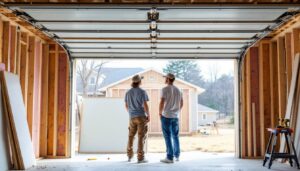
Pole barn conversions follow a similar concept. Owners take existing agricultural buildings and transform them into living spaces. This approach works well for properties that already have sturdy pole barns sitting unused. Converting an existing structure can cost significantly less than building new, though it requires careful attention to insulation, moisture control, and local building permits.
Benefits that attract rural buyers:
- Large open floor plans without load-bearing walls
- Lower construction and maintenance costs
- Built-in workshop or vehicle storage
- Durable exteriors that resist weather damage
Potential drawbacks:
- Some lenders hesitate to finance non-traditional structures
- Resale market is narrower than for conventional homes
- Aesthetics aren’t for everyone
Barndominiums suit buyers who need functional space for hobbies, businesses, or farm equipment alongside their living quarters. They represent one of the best rural housing options for practical-minded country dwellers.
Tiny Homes and Cabins
Tiny homes and cabins appeal to rural buyers who prioritize simplicity over square footage. These compact rural housing options typically range from 200 to 600 square feet, though cabins can be larger.
Tiny homes come in two main categories: those on wheels and those on permanent foundations. Homes on wheels offer mobility but face zoning challenges in many areas. They’re classified as RVs in most jurisdictions, which limits where owners can legally live full-time. Foundation-based tiny homes face fewer restrictions but require standard permitting.
Cabins have a longer history in rural America. A well-built cabin can serve as a primary residence, weekend retreat, or rental property. Log cabins offer classic appeal, while modern cabin designs emphasize large windows and energy efficiency. Prefabricated cabin kits have made construction more accessible, some can be assembled in a matter of weeks.
Why buyers choose small-scale rural housing:
- Lower purchase price and property taxes
- Reduced utility costs and maintenance
- Smaller environmental footprint
- Forces intentional, clutter-free living
Challenges to consider:
- Limited space for families or guests
- Storage requires creative solutions
- Financing options can be limited for very small structures
Tiny homes and cabins work best for singles, couples, or retirees who’ve downsized their belongings. They also serve well as secondary structures on larger rural properties.
How to Choose the Right Rural Home for Your Needs
Selecting among the best rural housing options requires honest assessment of priorities, budget, and lifestyle goals. No single housing type works for everyone.
Start with these questions:
What’s the budget? Traditional farmhouses and custom-built homes cost more upfront but often appreciate better. Manufactured homes and tiny houses cost less but may limit financing options and resale potential.
How much space is actually needed? A couple with no children has different requirements than a family of five. Consider both living space and land needs. Will there be livestock? A large garden? Equipment storage?
What’s the timeline? Buyers who need housing quickly should look at existing homes or manufactured options. Custom barndominiums and modular homes take several months. Renovating an old farmhouse can stretch into years.
How handy is the buyer? Rural homes often require more hands-on maintenance than suburban properties. Older farmhouses demand regular upkeep. Even newer manufactured homes need attention. Buyers who aren’t comfortable with basic repairs should factor in contractor costs.
What are the local regulations? Zoning laws vary widely in rural areas. Some counties welcome any housing type. Others restrict manufactured homes, tiny houses, or non-traditional structures like barndominiums. Always check with the county planning office before purchasing land.
Infrastructure matters too. Rural properties often need wells, septic systems, and sometimes propane or solar power. These systems add cost but also add independence from municipal services.
The best rural housing options align with both current needs and future plans. A starter cabin might make sense now, with plans to build a larger home later. Or a spacious farmhouse could accommodate aging parents down the road.