Rural housing options ideas appeal to anyone dreaming of open spaces, fresh air, and a slower pace of life. Whether someone wants to escape city noise or build a homestead from scratch, the countryside offers housing styles that urban areas simply can’t match. From classic farmhouses to modern modular builds, rural properties come in shapes and sizes for nearly every budget and lifestyle.
This guide covers the most popular rural housing options available today. Readers will learn about traditional country homes, prefabricated structures, tiny houses, and creative barn conversions. Each option has distinct advantages depending on land size, budget, and personal goals. By the end, anyone searching for their perfect country home will have a clear picture of what’s possible.
Table of Contents
ToggleKey Takeaways
- Rural housing options ideas range from traditional farmhouses and modular homes to tiny houses and barndominiums, each suited for different budgets and lifestyles.
- Modular homes offer 10-20% cost savings over traditional builds and can be move-in ready in just 3-4 months.
- Tiny homes and accessory dwelling units provide affordable entry into rural property ownership, with DIY builds starting at $15,000.
- Barndominiums combine living space with workshop areas at lower construction costs ($65-$125 per square foot), making them ideal for hobbyists and small farmers.
- Before choosing any rural housing option, research local zoning laws, utility availability, and infrastructure costs like wells and septic systems.
- Factor in additional expenses such as land clearing, driveway construction, and higher insurance rates when budgeting for rural properties.
Traditional Farmhouses and Country Homes
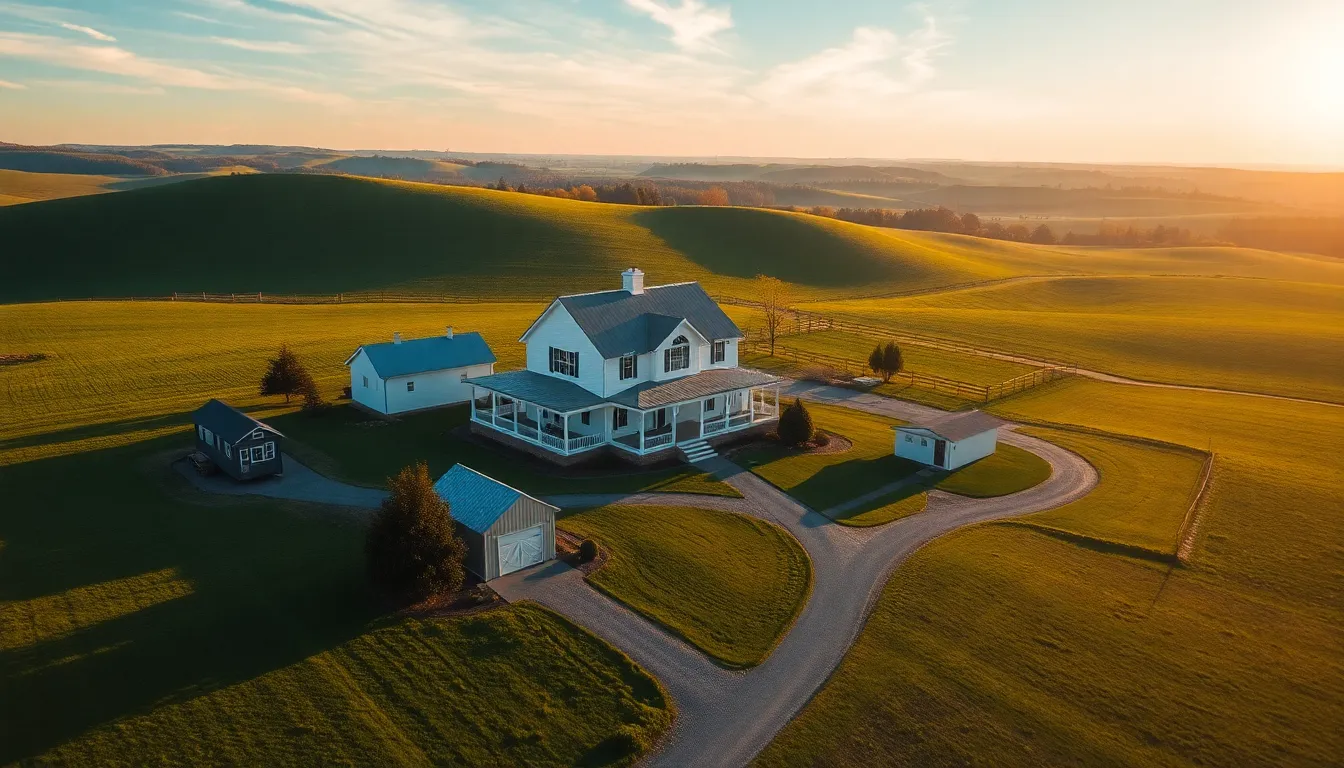
Traditional farmhouses remain one of the most sought-after rural housing options ideas for good reason. These homes blend history with functionality, offering large living spaces, wraparound porches, and classic architectural charm.
Farmhouses typically feature practical layouts designed for country living. Mudrooms near entrances help manage dirt and weather gear. Large kitchens often serve as the home’s gathering point. Many older farmhouses include root cellars, pantries, and multiple outbuildings that modern buyers find useful for storage or hobby projects.
Buyers have two main paths: purchasing an existing farmhouse or building new with traditional design elements. Existing homes carry character but may need updates to electrical, plumbing, or insulation systems. New construction allows buyers to incorporate modern energy efficiency while keeping the farmhouse aesthetic.
Country homes in general offer more variety than strict farmhouse designs. Ranch-style homes work well on flat land and provide single-floor living. Cape Cod styles suit those who want upstairs bedrooms with cozy dormers. Log cabins appeal to buyers who prefer a rustic feel and natural building materials.
The average cost of rural housing options in this category varies widely by region and condition. Fixer-uppers in some areas sell for under $150,000, while turnkey properties with acreage can exceed $500,000. Location, land quality, and proximity to towns all affect pricing.
Modular and Prefabricated Homes
Modular and prefabricated homes have become increasingly popular rural housing options ideas for budget-conscious buyers. These factory-built structures arrive on-site in sections, ready for assembly on a prepared foundation.
Modular homes differ from mobile homes in important ways. They must meet the same building codes as site-built houses. Once assembled, they’re virtually indistinguishable from traditional construction. Banks finance them like conventional homes, and they appreciate in value over time.
The benefits of choosing modular for rural properties include:
- Faster construction: Most modular homes take 3-4 months from order to move-in, compared to 6-12 months for traditional builds.
- Cost savings: Factory efficiency reduces labor costs by 10-20% on average.
- Quality control: Climate-controlled manufacturing eliminates weather-related delays and material damage.
- Customization: Modern modular companies offer floor plans from 800 to over 3,000 square feet.
Prefabricated homes include a broader category of factory-built structures. Kit homes ship as packages of materials with detailed assembly instructions. Panelized homes arrive as pre-built wall sections. Steel-frame kits offer durability in areas with harsh weather.
Rural land often makes modular delivery easier than in developed neighborhoods. Wide country roads accommodate oversize loads better than tight suburban streets. But, buyers should verify road access and crane requirements before ordering.
Pricing for modular rural housing options typically ranges from $80 to $160 per square foot, not including land, foundation, or site preparation costs.
Tiny Homes and Accessory Dwelling Units
Tiny homes represent some of the most creative rural housing options ideas available today. These compact dwellings, typically under 400 square feet, appeal to minimalists, retirees, and those seeking affordable entry into property ownership.
Rural areas offer advantages for tiny home living that cities don’t. Zoning restrictions tend to be looser in unincorporated county land. Larger parcels provide space for outdoor living areas that extend usable space. Off-grid setups with solar power and well water work naturally in country settings.
Tiny homes come in several formats:
- Tiny houses on wheels (THOWs): Built on trailers for mobility, these avoid some building permit requirements but face other regulations.
- Foundation-built tiny homes: Permanent structures that may qualify for traditional financing.
- Shipping container conversions: Steel containers transformed into living spaces, often stacked or combined.
Accessory dwelling units (ADUs) serve as secondary housing on properties with existing homes. Rural landowners use ADUs for aging parents, rental income, or guest quarters. These smaller structures typically range from 200 to 1,200 square feet.
Costs for tiny rural housing options vary dramatically. DIY tiny homes can be built for $15,000-$40,000. Professional builds run $50,000-$100,000. Luxury tiny homes with high-end finishes exceed $150,000.
Buyers should research local regulations before committing to tiny home living. Some counties require minimum square footage for primary residences. Others restrict the number of dwellings per parcel.
Barndominium and Pole Barn Conversions
Barndominiums have emerged as one of the most talked-about rural housing options ideas in recent years. These structures combine living quarters with barn-style construction, creating versatile spaces that work for multiple purposes.
A barndominium typically features a metal building exterior with a finished interior living space. The open floor plans allow owners to customize layouts without load-bearing interior walls. High ceilings accommodate loft spaces or mezzanine levels. Many barndominiums include attached workshop or garage areas.
The appeal of barndominium rural housing options comes from several factors:
- Lower construction costs: Metal buildings cost less per square foot than traditional framing.
- Speed of construction: The shell can be erected in days rather than weeks.
- Durability: Steel framing resists termites, rot, and fire better than wood.
- Flexibility: Floor plans adapt easily to changing needs over time.
Pole barn conversions offer a similar approach using existing agricultural structures. Owners purchase or inherit old barns and transform them into living spaces. These projects preserve rural character while creating unique homes.
Conversion projects require careful planning. Older barns may need structural reinforcement. Insulation becomes critical for comfort in metal buildings. Plumbing and electrical systems must meet residential codes even in agricultural-zoned areas.
Barndominium costs typically range from $65 to $125 per square foot for basic builds. Custom finishes, multiple stories, and extensive living space push prices higher. Pole barn conversions vary based on existing structure condition and desired finish level.
These rural housing options work particularly well for hobbyists, small farmers, and anyone who needs combined living and working space under one roof.
Key Considerations for Rural Living
Choosing among rural housing options ideas requires thinking beyond the structure itself. Country living brings unique considerations that urban and suburban buyers rarely face.
Utilities and Infrastructure
Rural properties often lack municipal services. Buyers should investigate:
- Water: Well drilling costs $3,000-$15,000 depending on depth and geology. Water quality testing is essential before purchase.
- Septic systems: Installation runs $3,000-$10,000 for conventional systems. Soil percolation tests determine system type.
- Electricity: Some remote properties require solar, generators, or expensive line extensions from utility companies.
- Internet: High-speed options may be limited to satellite or cellular services in many rural areas.
Land and Access
The property itself matters as much as the house. Key factors include road access quality, flood zone status, soil type for building, and easement issues with neighboring properties.
Distance and Services
Rural living means longer drives. Consider proximity to:
- Emergency services (fire, ambulance, hospital)
- Schools if children are involved
- Employment centers
- Grocery stores and daily necessities
Zoning and Regulations
County zoning rules vary widely. Some areas allow nearly any rural housing options without permits. Others regulate everything from building size to livestock. Research local requirements before purchasing land or planning construction.
Budget Planning
Rural housing costs extend beyond the home price. Factor in well and septic installation, driveway construction, land clearing, and higher insurance rates for remote properties.