Rural housing options offer freedom that suburban and urban living simply can’t match. Building a country home means more land, fewer neighbors, and the chance to create something truly your own. But it also comes with unique challenges, from well water systems to septic requirements, from construction methods suited to remote locations to financing that works differently than city mortgages.
Whether someone dreams of a traditional farmhouse, a modern off-grid retreat, or a practical homestead, understanding the techniques and requirements specific to rural construction makes all the difference. This guide breaks down the essential rural housing options, construction methods, and practical considerations for anyone planning to build in the country.
Table of Contents
ToggleKey Takeaways
- Rural housing options require upfront planning for well water, septic systems, and utility access—costs that can add $20,000 or more before construction begins.
- Construction methods like modular homes, pole barns, and stick-built structures each offer distinct advantages for rural building sites based on budget and timeline.
- Off-grid solutions including solar power, rainwater harvesting, and passive solar design can significantly reduce long-term costs and increase self-sufficiency.
- USDA Rural Development Loans offer zero-down-payment financing for eligible buyers, making rural housing options more accessible than many expect.
- Always verify zoning regulations, building codes, and deed restrictions before purchasing rural land to ensure your preferred construction method is allowed.
Understanding Rural Property Requirements
Rural housing options start with understanding what makes country property different from urban lots. The land itself often requires more preparation and infrastructure work before construction can begin.
Water and Septic Systems
Most rural properties don’t connect to municipal water or sewer systems. Buyers need to plan for well drilling, which costs between $5,000 and $15,000 depending on depth and geology. A septic system adds another $3,000 to $10,000. Some counties require percolation tests before approving septic installations, so testing the soil early saves headaches later.
Access and Utilities
Rural lots often lack paved road access. Building a driveway across several hundred feet of land adds significant cost. Power line extensions from the nearest transformer can run $15,000 or more if the property sits far from existing infrastructure. These expenses catch many first-time rural buyers off guard.
Soil and Terrain Considerations
Sloped land, rocky soil, or high water tables all affect construction options. A soil test reveals what foundation types will work. Clay-heavy soil expands and contracts with moisture, requiring specific foundation designs. Properties in flood zones need elevated structures or flood-resistant construction methods.
Understanding these rural housing requirements upfront prevents costly surprises during construction.
Common Rural Home Construction Methods
Rural housing options include several construction methods that work well in country settings. Each offers distinct advantages for remote building sites.
Stick-Built Construction
Traditional stick-built homes remain popular for rural housing. Contractors frame the structure on-site using dimensional lumber. This method allows complete customization and works well when materials can be delivered to the property. Build time runs 6-12 months typically.
Modular and Manufactured Homes
Modular homes arrive in sections built in a factory, then assembled on-site. They cost 10-20% less than stick-built homes and go up faster. Quality has improved dramatically, modern modular construction meets the same building codes as traditional homes. For rural housing options on a budget, modular makes strong sense.
Manufactured homes (sometimes called mobile homes) offer the lowest cost entry point. They’re built entirely in factories and transported whole. But, financing can be trickier, and some counties restrict where they can be placed.
Pole Barn and Post-Frame Homes
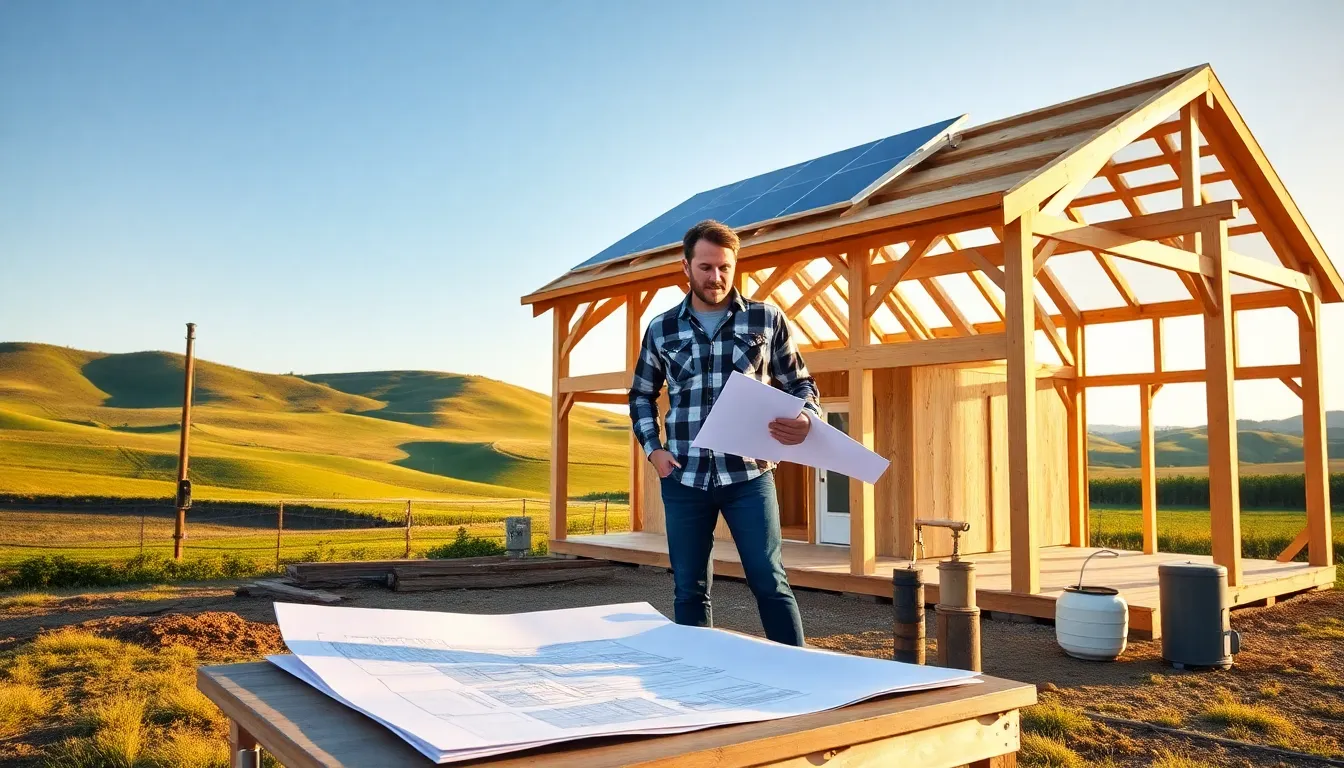
Pole barn construction uses large posts set into the ground as the main structural support. Originally designed for agricultural buildings, this method now produces attractive rural homes. Post-frame construction costs less per square foot and handles large open floor plans well. Many rural homeowners choose this method for combined workshop-living spaces.
Log and Timber Frame Homes
Log homes fit rural settings aesthetically and offer good insulation when properly built. Timber frame construction uses heavy wooden beams joined with traditional joinery. Both methods create distinctive country homes, though they typically cost more than conventional construction.
The best rural housing option depends on budget, timeline, and personal preferences.
Off-Grid and Sustainable Housing Solutions
Many buyers exploring rural housing options want to minimize or eliminate dependence on utility companies. Modern off-grid systems make this practical.
Solar Power Systems
Solar panels paired with battery storage can power a rural home completely. A typical off-grid system costs $20,000-$50,000 depending on energy needs. Prices have dropped significantly over the past decade. Net metering programs in some areas let grid-connected rural homes sell excess power back to utilities.
Alternative Water Sources
Beyond wells, rural properties can harvest rainwater where legal. A 2,000 square foot roof collects roughly 1,200 gallons per inch of rainfall. Spring development offers another option on properties with natural water sources. Proper filtration and treatment make these alternatives safe for household use.
Passive Solar Design
Orienting a home to maximize southern exposure reduces heating costs significantly. Large south-facing windows gain winter sun while overhangs block summer heat. This passive solar approach works especially well for rural housing options since lot orientation is rarely restricted.
Earth-Sheltered and Straw Bale Construction
Earth-sheltered homes use soil coverage for natural insulation. Underground or bermed designs maintain stable temperatures year-round. Straw bale construction uses compressed straw as wall insulation, achieving R-values of 40 or higher. Both methods suit environmentally-focused rural builders.
Composting Systems
Composting toilets eliminate the need for traditional septic systems entirely. Modern units don’t smell and require minimal maintenance. Greywater systems can irrigate gardens, reducing water waste.
These sustainable rural housing techniques reduce long-term costs while increasing self-sufficiency.
Financing and Zoning Considerations for Rural Properties
Rural housing options face different financing rules than urban properties. Understanding these differences helps buyers prepare.
Construction Loans
Building a rural home typically requires a construction loan that converts to a mortgage upon completion. Lenders often require larger down payments for rural properties, sometimes 20-25% versus 3-10% for urban homes. Some banks specialize in rural lending and offer better terms.
USDA Rural Development Loans
The USDA offers zero-down-payment loans for eligible rural areas. Income limits apply, but many middle-class buyers qualify. These loans cover existing homes and new construction. The USDA definition of “rural” includes many areas that don’t feel particularly remote.
Land Loans vs. Home Loans
Buying raw land requires different financing than purchasing improved property. Land loans carry higher interest rates and shorter terms. Some buyers purchase land outright, then finance construction separately.
Zoning and Building Permits
Rural counties vary wildly in their regulations. Some have almost no building codes, while others enforce strict requirements. Agricultural zoning may restrict certain home types or require minimum lot sizes. Checking zoning before purchasing prevents frustration later.
Covenants and Restrictions
Even rural subdivisions sometimes carry deed restrictions. These might limit building materials, fence types, or outbuilding sizes. Reviewing all covenants before buying ensures the rural housing options someone wants actually remain available.
Proper preparation around financing and zoning makes rural construction much smoother.