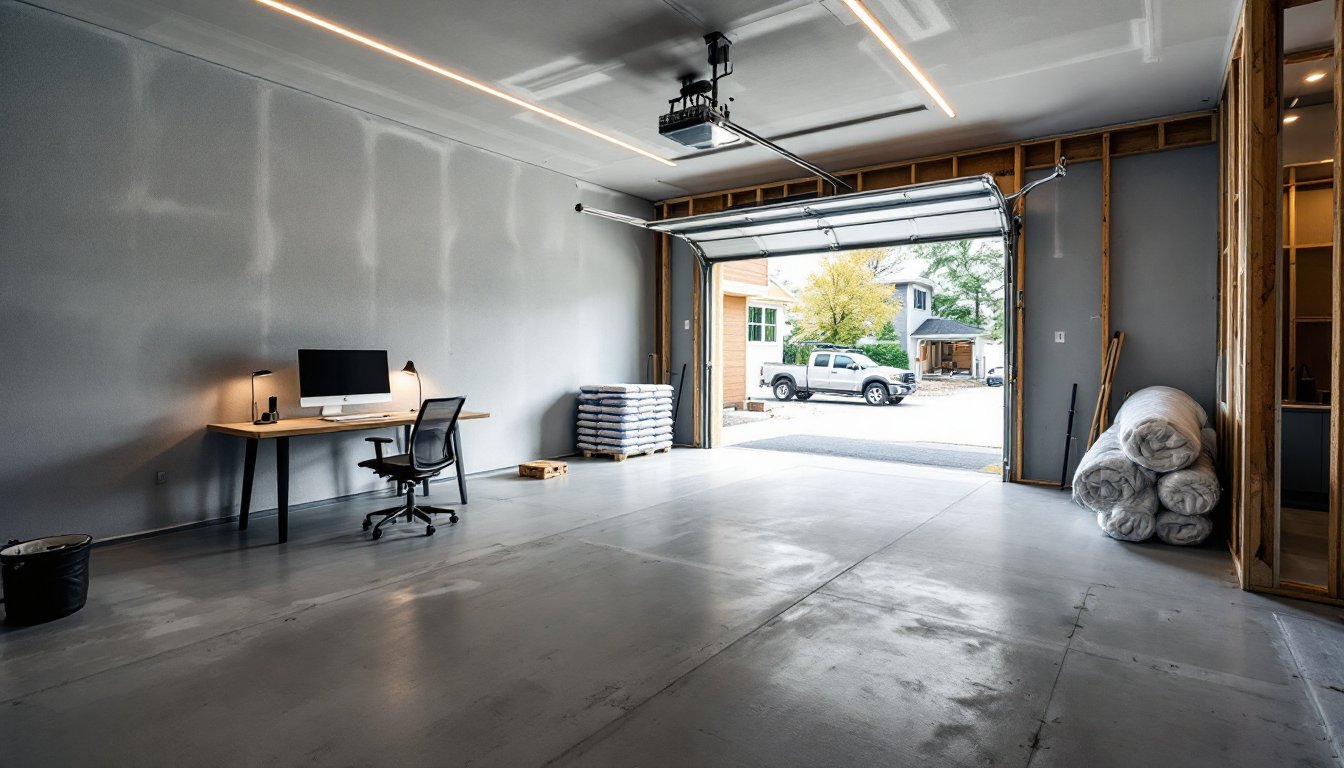
A single-car garage sitting half-empty or crammed with seasonal clutter is prime real estate going to waste. Converting that space into something functional, a home office, fitness studio, guest room, or workshop, can add square footage to your home without the cost of a full addition. The key is matching the conversion to your lifestyle and understanding the structural and permit requirements upfront. Whether you’re a remote worker needing quiet space, a fitness enthusiast, or a maker looking for a workshop, a garage conversion offers flexibility and tangible home value that appeals to future buyers too.
Table of Contents
ToggleKey Takeaways
- Single car garage conversion ideas transform underutilized space into functional rooms—a home office, fitness studio, guest suite, or workshop—without the cost of a full home addition.
- Permits, building codes, and licensed professionals for electrical, plumbing, and HVAC work are non-negotiable; skipping them risks future resale value and homeowner’s insurance coverage.
- Insulation, climate control, and proper electrical upgrades (typically 20-amp dedicated circuits) are essential across all conversion types to meet local IRC standards and create habitable space.
- Guest suites and rental units require two egress routes, a minimum 70-square-foot bedroom, and full bathroom plumbing—the most regulated conversion option with costs reaching $15,000–$30,000+.
- Workshops and maker spaces demand dust collection systems, active ventilation (at least 500 CFM), and 220V electrical service for heavy equipment; entertainment rooms and multi-purpose spaces have fewer code restrictions but still need robust flooring and sound dampening.
- Start with a 15-minute call to your local building department to confirm zoning rules, parking requirements, and ADU restrictions before investing time and money into planning your garage conversion.
Home Office or Creative Studio
A dedicated workspace at home has shifted from luxury to necessity for many professionals. Your single-car garage offers enough square footage, typically 10 by 20 feet, to accommodate a desk, storage, and comfortable working conditions.
Start by addressing insulation and climate control. Most garages lack proper R-value insulation in walls and ceilings, so you’ll likely need to add fiberglass batts or closed-cell spray foam between the studs. A standard garage needs a 200-watt space heater and good ventilation: your local building codes may require ducting or HVAC tie-ins depending on whether this becomes a “habitable space” per your jurisdiction’s IRC standards. This distinction matters for permits and resale value.
Electricity is non-negotiable. Garages typically have a single outlet or two on a 15-amp circuit, nowhere near enough for a computer setup, task lighting, and climate control without overloading. You’ll need to run a dedicated 20-amp circuit from your main panel to support a desk lamp, monitors, and a space heater simultaneously. This requires a licensed electrician in most areas and a permit.
Flooring upgrades make a huge difference in comfort and professionalism. Epoxy or polished concrete is durable and easy to maintain, or lay interlocking rubber tiles for warmth underfoot. Drywall the interior walls and add acoustic panels to muffle sound, especially important if you’re on video calls or in creative work.
Fitness and Wellness Space
Transforming your garage into a home gym eliminates the commute to a studio and gives you equipment flexibility on your own schedule. A single-car garage is tight for a full commercial gym but perfect for yoga, functional training, or a modest weight rack.
Flooring is critical here. Concrete cracks under heavy impact, and dropped weights will chip it further. Invest in interlocking rubber mats or foam flooring tiles at least ½-inch thick: they cost $1–$3 per square foot and protect both your equipment and the concrete slab beneath. Rubber also dampens noise, important if you’re doing burpees at 6 a.m.
Ventilation and cooling matter more in a gym than an office. A single garage heats up fast, and sweat and humidity invite mold if there’s no air circulation. Install a wall-mounted exhaust fan or a portable AC unit to maintain 65–70°F during workouts. A ceiling fan alone won’t cut it for intense training.
Mirroring one wall gives visual feedback during exercises and makes the space feel larger. Use safety-backed gym mirrors (not decorative mirrors) affixed to studs with construction adhesive and mechanical fasteners. Mount them so the bottom edge is about 3 feet off the ground.
Electricity for a sound system and lighting is essential. Bright LED shop lights (4000–5000K color temperature) simulate daylight and boost energy. Bluetooth speakers or a weatherproof sound system keep motivation high without running cables everywhere.
Guest Suite or Rental Unit
Converting your garage into a guest bedroom or small rental suite opens income opportunities and adds long-term home value. This is the most regulated conversion because it involves sleeping quarters, so permit and code compliance are non-negotiable.
Building codes require a habitable bedroom to have a minimum of 70 square feet, 7 feet of ceiling height, and a full bathroom. A single-car garage is roughly 120–140 square feet, so you have room, but adding a bathroom is a major undertaking. You’ll need to run plumbing (hot/cold supply lines and a drain line) from your main water line, a task that usually requires a licensed plumber and inspections.
Two egress routes are mandatory. A garage has one vehicle door: you must add a second exit, typically a window that opens to at least 5.7 square feet and sits no higher than 44 inches from the floor. This allows emergency escape and satisfies IRC codes. Consult your local building department: requirements vary.
Insulation, drywall, and climate control are identical to a home office, but bedrooms need HVAC connection in most jurisdictions. The cost of adding ductwork or a mini-split system runs $2,000–$5,000 depending on your existing system.
Floating a “pod” bedroom inside the garage, a pre-built tiny home unit or modular bedroom, can sidestep some code hurdles and is worth researching if your garage is big enough. This approach is gaining traction for accessory dwelling units (ADUs): check local zoning laws for rental unit restrictions.
Entertainment and Game Room
A game room or media lounge is the least regulated garage conversion and one of the quickest to execute. No bathroom, no sleeping reqs, no strict egress rules, just comfort and function.
Insulation and drywall still matter for sound control and temperature. A home theater or gaming setup with decent equipment gets hot, and you don’t want noise bleeding into the house at midnight. Add fiberglass insulation to exterior walls, especially if your garage shares a wall with a bedroom. Drywall over that with acoustic drywall in a layer for extra sound dampening.
Electric is heavy here too. A gaming PC, sound system, TV, lighting, and a mini-fridge or beverage cooler can pull 2,000+ watts. Run a dedicated 20-amp or 30-amp circuit depending on your setup, and install multiple outlets around the room, at least 8–10, to avoid daisy-chaining power strips.
Flooring should be washable and comfortable. Epoxy concrete, polished concrete, or luxury vinyl plank (LVP) are all good choices. Avoid bare concrete: it’s cold and hard on the backside during long gaming sessions.
Lighting design is underrated. Recessed LEDs for task light, wall sconces or RGB strips behind the TV for ambiance, and dimmable controls let you shift from bright (game setup) to low (movie time). A flat-screen mounted above a bar or snack counter becomes the room’s focal point without eating floor space.
Hobby Workshop or Maker Space
Woodworking, metalworking, art, or model-building demands clean power, proper ventilation, and heavy-duty flooring. Your garage is ideal, but safety and dust control separate a functional workshop from a fire hazard.
Dust collection is non-negotiable. Power tools like table saws, sanders, and routers generate fine particles that wreck lungs without respiratory protection and accumulate on electrical contacts. Install a dust collection system with ductwork and a central collector or shop vac: this runs $500–$2,000 but is cheaper than health problems or a workshop fire from combustible dust.
Ventilation needs to be active. A single garage door cracked open isn’t enough, especially for spray painting, epoxy work, or welding. Install a wall-mounted exhaust fan, at least 500 CFM (cubic feet per minute) capacity, and a separate intake, or use a portable workshop air filter with HEPA filtration. Consult EPA and OSHA guidelines if you’re using solvents or spray finishes.
Electric demands are heavy. A table saw, jointer, dust collector, and compressor can each draw 15+ amps. You’ll need 220V service if you run industrial tools: this is a job for a licensed electrician and requires panel upgrades and permits.
Flooring must handle weight and spills. Epoxy concrete, sealed with a commercial coating, resists oil and solvent stains. Add anti-fatigue mats in front of your main workbench: you’ll be standing for hours.
Plumbing for a utility sink is a nice-to-have but requires permit and inspection. If your garage is close to a drain line, run PVC to an existing drain: otherwise, a portable washbasin works temporarily. Fire safety: keep an ABC-rated fire extinguisher mounted and visible, and ensure your electrical is GFCI-protected if the space is damp.
Multi-Purpose Living Area
Some homeowners want flexibility: a room that works as a guest suite one week, a yoga studio the next, a work-from-home space the week after. This demands a middle-ground approach to infrastructure and design.
Start with the basics: insulation, drywall, and a mini-split HVAC unit. A ductless mini-split (around $2,000–$3,500 installed) heats and cools without major ductwork and is quieter than a window unit. It gives you year-round climate control without the fixed footprint of a space heater.
Electricity should be generous but practical. Run two dedicated 20-amp circuits, one for general lighting and outlets, one for a future hot tub, air compressor, or power tools. This gives you 40 amps of available capacity without a panel upgrade.
Flooring should be neutral and durable. Luxury vinyl plank or polished concrete take everything: furniture, yoga mats, a folding cot, tool carts, and spills. Avoid carpet: it traps dust and smells in a garage, even after conversion.
Wall-mounted storage and modular furniture keep the space flexible. Open shelving, pegboard, and a movable island (with locking casters) let you reconfigure in minutes. Good task lighting, recessed LEDs on dimmers, works for office, fitness, or craft time.
One caveat: a true multi-purpose space risks being mediocre at everything. It won’t be as cozy as a dedicated guest room or as efficient as a built-for-purpose workshop. Start with the most frequent use, then add flexibility if real-world needs shift.
Getting Started: Essential Steps Before You Convert
Before swinging a hammer, you need a plan, permits, and honest cost scoping.
1. Check Local Zoning and Codes. Call your city or county building department and describe your conversion idea. Ask about setbacks, square footage limits, parking requirements (some jurisdictions require you to keep a driveway or lot for vehicles), and whether an ADU or rental unit is allowed. Many areas restrict garage conversions or require you to build a new garage elsewhere on the property. This call takes 15 minutes and saves you thousands.
2. Get a Permit. Even minor conversions (new electrical, drywall, insulation) usually need a permit in most areas. A permit isn’t optional, it ensures the work is inspected, protects your homeowner’s insurance, and is required for resale. Unpermitted work can scare off future buyers or appraisers. Cost varies, but expect $200–$800 for a garage conversion permit.
3. Hire Licensed Professionals Where Required. Electrical, plumbing, and HVAC should be licensed work in nearly all jurisdictions. DIY is great for drywall, painting, and some framing, but these trades have code compliance and safety reasons for licensure. Get three quotes and check references.
4. Address the Garage Door. If you’re keeping vehicle access, you’re not converting, you’re adding insulation and finishing. If you’re converting fully, the garage door is gone. Some people frame in the opening and add a regular door: others keep an insulated garage door and use the space for storage behind it. Decide upfront because it affects your framing and budget.
5. Assess Drainage and Moisture. Garages sit low relative to grading, and water can seep in, especially in freeze-thaw regions or after heavy rain. Check for cracks in the slab, efflorescence (white powder), or staining. If the slab is wet, you’ll need a sump pump, French drain, or exterior grading fix before you drywall. Moisture ruins insulation and invites mold.
6. Budget Realistically. A bare-bones conversion (insulation, drywall, paint, basic electrical, flooring, and HVAC) for a single-car garage runs $8,000–$15,000 with permits and licensed trades. A full guest suite with a bathroom can double or triple that. A workshop with dust collection and 220V service adds another $3,000–$5,000. Don’t lowball your timeline either: most projects take 3–6 months from permit to finished space.
Garage conversions are smart projects, they use existing footprint and infrastructure. But they require assignments, permits, and honest conversation with professionals. Starting right saves regret later. Resources like fine homebuilding forums and cost guides at ImproveNet give real feedback from homeowners who’ve done it. Expert advice from Bob Vila covers everything from framing to final inspections.