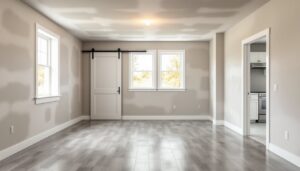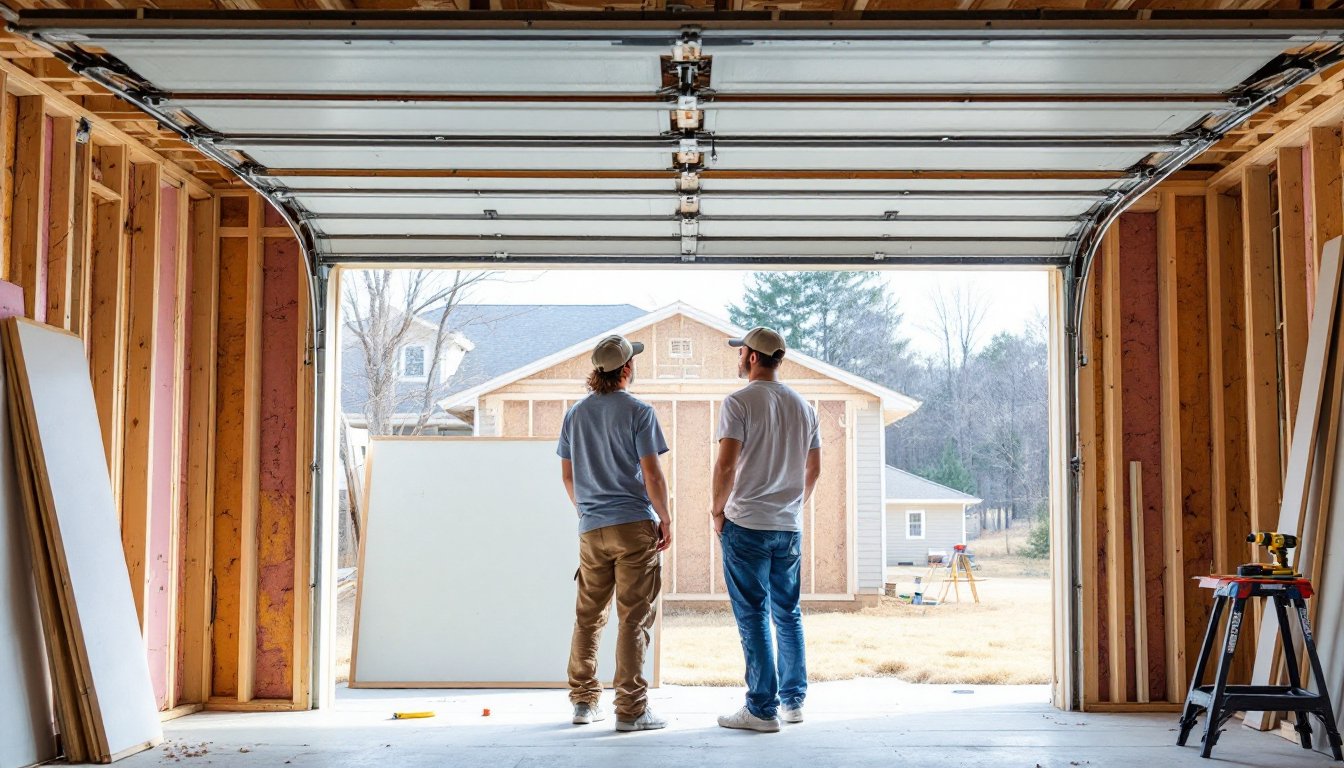
Converting a garage door is one of the smartest ways to add usable living space without the cost and disruption of a full addition. Whether you’re looking to create a home office, guest bedroom, gym, or hobby room, transforming that underutilized garage can unlock significant square footage and boost your home’s functionality. This guide walks you through the “why,” the options, and the practical steps to execute a conversion that fits your home and your skill level. Let’s get started.
Table of Contents
ToggleKey Takeaways
- A garage door conversion leverages existing structures to add functional living space cost-effectively without major renovation disruption or the expense of a full home addition.
- Two main approaches exist: wall infill (fully enclosed and insulated) for climate-controlled rooms, or sliding glass doors/windows (lower cost, more flexible) for studios and guest suites.
- Proper planning requires checking local permits, egress requirements for bedrooms, structural load calculations for headers, and realistic budgeting of $3,000–$8,000+ depending on scope and region.
- Critical mistakes that derail projects include skipping structural headers, overlooking bedroom egress requirements, misplacing vapor barriers, hiring unlicensed electricians, and underestimating exterior flashing and HVAC needs.
- Electrical work, structural inspections, and HVAC adjustments demand licensed professionals to ensure code compliance and protect home resale value and insurance coverage.
Why Convert Your Garage Door: Benefits and Opportunities
A garage door conversion offers immediate, tangible benefits. First, you’re reclaiming space that’s often used for storage overflow or as a dump for seasonal items. Second, the existing roof and foundation are already in place, which cuts your structural costs dramatically compared to a traditional addition. Third, a finished garage space adds both square footage and often resale value to your home.
Permit requirements vary by jurisdiction, but a garage conversion typically requires a building permit and electrical inspection, this isn’t cosmetic work. Before you swing a hammer, check with your local building department. The good news? Unlike adding a new structure, you’re working within existing footprints, so approval usually moves faster.
Secondly, consider how the space will function. A garage-to-bedroom conversion needs proper egress (a legal exit path for safety), HVAC adjustments, and insulation. A gym or hobby room has different demands. The flexibility of garage conversion makes it ideal for homeowners who want control over the final look and feel. Top Garage Conversions to Maximize Your Home’s Potential showcase real examples of how other homeowners have tackled this project successfully.
Understanding Your Conversion Options
Not every garage door conversion looks the same. Your approach depends on the original garage structure, your budget, and how you want to use the space. Here are the two most common strategies.
Wall Infill Conversion
Wall infill is the most straightforward approach: you’re essentially closing off the garage door opening with a new wall. This creates a seamless interior space and is the cleanest aesthetic finish. The process involves building a new stud frame (typically 2×4 lumber, spaced 16 inches on-center) across the garage opening, adding a header above to distribute loads, and covering it with drywall, insulation, and exterior cladding to match your home’s facade.
The advantage? You get a fully enclosed, climate-controlled room. The trade-off is cost and labor, you’re building a wall from scratch, plus matching your home’s exterior (siding, trim, color) takes precision. This method works best when the garage opening is a standard width (single-car garages typically run 8–10 feet wide: double-car garages, 16–18 feet).
Sliding Glass Door or Window Installation
If you want to keep the opening functional and let light in, install a large sliding glass door or a series of windows and a smaller personnel door. This approach uses the existing frame more directly. You’ll need to reinforce the opening if you’re removing the garage door track, and you’ll install a proper sill and header to support the new glazing.
This option costs less upfront and maintains flexibility, you can still access the space from outside if needed. It’s especially popular for converting a garage into a guest suite, studio, or creative workshop. But, large glazing areas require proper flashing and sealants to prevent water intrusion, and thermal performance is lower than a fully insulated wall.
Planning Your Garage Door Conversion Project
Before cutting anything, spend time planning. Start with a site assessment: measure the garage opening, check the roof framing above (you need to know if there are joists or trusses that might limit your design), and look for existing utilities (HVAC ducts, electrical, plumbing).
Next, address permits and code compliance. Call your building department and ask about egress requirements (if it’s a bedroom, most codes require a window or secondary exit), electrical work (you’ll likely need new circuits and outlets), and insulation minimums (typically R-15 to R-21 for walls, depending on climate zone). Some jurisdictions require mechanical ventilation updates if you’re conditioning the new space.
Budget realistically. Wall infill conversions typically run $3,000–$8,000 for the framing, drywall, insulation, and basic finishing, depending on size and region. External doors or windows add $500–$2,000. Electrical, HVAC, and flooring push costs higher. HomeAdvisor cost estimators can help you benchmark local pricing, though always get multiple quotes from licensed contractors for structural or electrical work.
Final step: sketch a layout. Where will outlets go? Will you need a new light switch? If it’s a bedroom, where’s the best spot for egress? A simple pencil drawing helps you visualize the result and catch conflicts before you frame.
Step-by-Step Conversion Process
Here’s how a typical wall infill conversion unfolds:
1. Remove the Garage Door
Disconnect the garage door opener (unplug it, don’t just turn it off). Remove the door itself, the springs (these are under extreme tension, hire a professional if unsure), and the tracks. Don’t skip this: a tension-loaded spring can cause serious injury.
2. Inspect the Opening
Look at the header above the opening. Is it sound? Does it show water damage? If the header needs replacement, this becomes structural work, consult a structural engineer or licensed contractor.
3. Frame the New Wall
Build a new stud wall with a 2×4 plate at top and bottom. Include a 2×6 or 2×8 header above to handle any roof load. Use 16-inch on-center spacing for studs. Include a rough opening for any door or window you’re planning. Secure the wall with concrete anchors at the base if the garage has a slab floor.
4. Insulate
Install fiberglass batts, mineral wool, or spray foam (R-15 minimum). Vapor barriers (or smart barriers) go on the warm side of the wall, typically the interior in winter climates. This step prevents moisture buildup and keeps the space comfortable.
5. Drywall and Finish
Hang drywall, tape and mud seams, sand smooth, and paint. Match trim and baseboards to your home’s interior.
6. Exterior Match
Cover the exterior opening with siding, trim, or cladding that matches your home’s facade. Proper flashing around the top prevents water entry.
7. Electrical and Mechanical
Run new circuits if needed (hire a licensed electrician for this, code compliance is critical). Adjust HVAC ducts or add a ductless mini-split if the existing system can’t reach the new space.
Alternatively, This Old House renovation guides walk through detailed examples of garage conversions with photo sequences, worth reviewing before you start. Garage Conversions Trends 2026 also cover emerging techniques and material choices to keep your project current.
Common Mistakes to Avoid
Most DIY garage conversions stumble on a few predictable pitfalls:
Skipping the Header
The garage opening is often load-bearing. Removing the door doesn’t mean the roof load disappears. A properly sized header (usually 2×8 or 2×10, depending on span and load) is non-negotiable. If you’re unsure about sizing, get a structural engineer to check.
Overlooking Egress
If it’s a bedroom, you need a legal escape route. A small operable window (typically 5.7 sq ft minimum, with 5.7 sq ft clear opening) positioned low enough to exit counts. Install it before drywall, not after.
Moisture and Vapor Barrier Errors
Garages are notoriously damp. Skip the vapor barrier, and your drywall rots. Install it on the wrong side, and it traps moisture inside the wall cavity. Climate and construction method matter, don’t guess.
Electrical DIY on Structural Circuits
Yes, you can hang drywall and mud seams yourself. Pulling electrical circuits? That’s permit and license territory in most jurisdictions. A code violation here can void homeowner’s insurance and tank a future sale.
Cheap on Exterior Flashing
Water intrusion is the #1 cause of conversion failure. Budget for quality flashing materials and proper sealing. Silicone sealant and metal flashing cost $100–$200 and protect thousands in drywall and insulation.
Ignoring HVAC
A sealed garage space needs ventilation. Existing ductwork may not reach it, or the furnace may be undersized. A ductless mini-split (~$1,500–$3,000) is often the smartest retrofit choice. Essential Garage Conversion Tools for Your Next Project includes tools to help you measure and plan mechanical systems accurately.