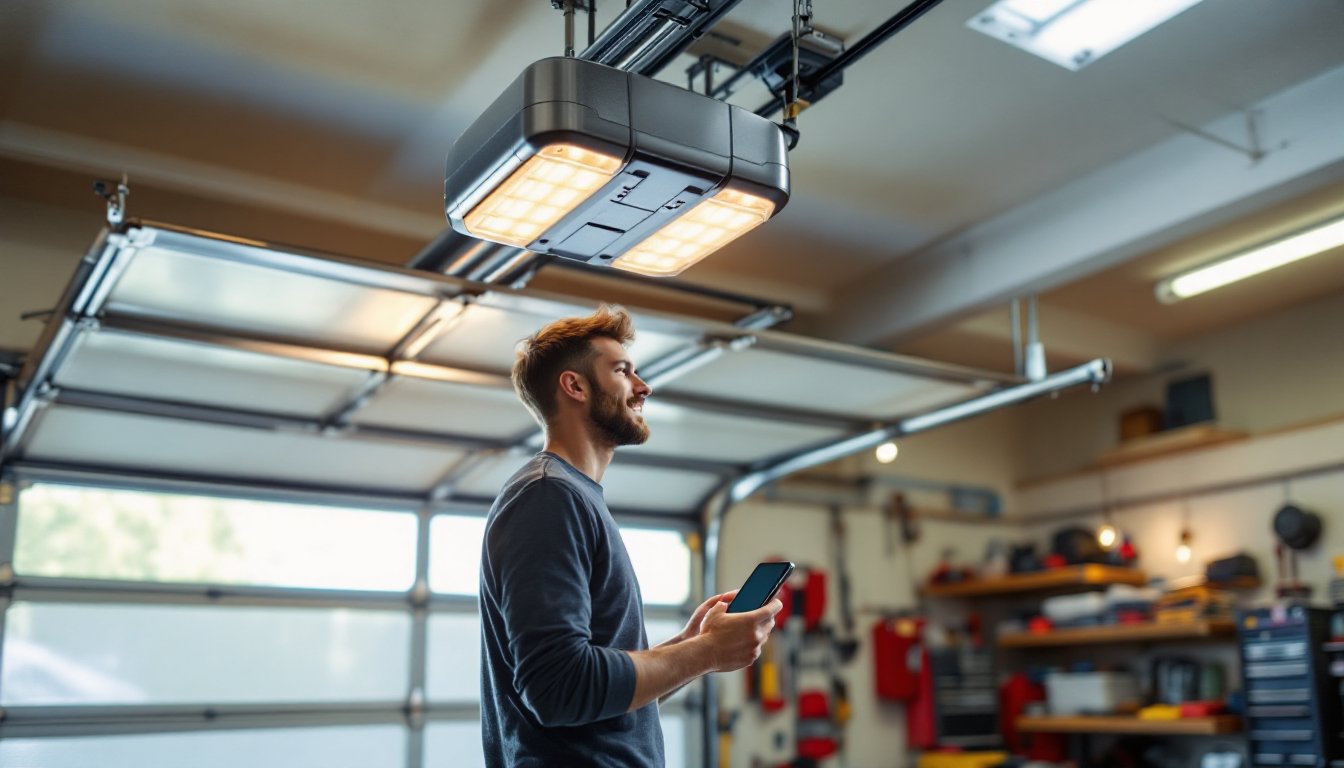
Your garage door is one of the largest moving parts in your home, and often one of the most overlooked when it comes to security. Unlike a front door with a deadbolt, many garage doors operate on outdated mechanical systems or smart openers with minimal protective features. For homeowners, this gap matters. Burglars know that an unsecured garage provides direct access to tools, vehicles, and often a door leading into your house. Garage door security isn’t complicated, but it does require attention. By reinforcing your door, upgrading to modern openers, and establishing regular maintenance habits, you’ll eliminate most common entry points. Here’s how to secure your garage in 2026.
Table of Contents
ToggleKey Takeaways
- Modern smart garage door openers with rolling-code technology eliminate remote-attack vulnerabilities and prevent unauthorized access by generating a new access code for every single use.
- Upgrade weak hardware like hinges, latches, and exterior service door locks to commercial-grade stainless steel components to significantly increase resistance to forced entry and prying.
- Establish a monthly routine that includes reviewing smart opener access logs, testing remote and app controls, and checking for firmware updates to catch security issues before they become problems.
- Wi-Fi-enabled openers require secure configuration including strong passwords, two-factor authentication, and enabled notification alerts to prevent digital entry points and unauthorized remote access.
- Reinforce your physical garage door frame with longer anchor screws and security film on windows, and secure the manual release cord to eliminate weak points that burglars commonly exploit.
- Schedule annual professional garage door inspections to identify spring wear, alignment issues, and maintenance needs that could compromise security and longevity.
Why Garage Door Security Matters for Homeowners
Your garage door faces unique security challenges because it’s both a large mechanical system and, increasingly, a networked smart device. A broken or weak garage door isn’t just an inconvenience, it’s an open invitation.
Statistically, burglars exploit garage entry points more than homeowners realize. An unsecured garage gives access to valuable items, vehicles, and often a single interior door separating the garage from your living spaces. Many jurisdictions now include garage door security in home safety recommendations, though codes vary by location.
Modern garage door openers, especially those connected to smart home systems, add another layer of complexity. While convenience is appealing, connected devices require proper security settings to prevent unauthorized access. An improperly configured smart opener can be manipulated remotely. The good news: securing your garage door takes a few targeted upgrades and habits, not a complete overhaul.
Common Garage Door Vulnerabilities and Security Risks
Manual Openers and Outdated Mechanisms
If your garage door opener is older than 10 years, it likely relies on simple rolling codes or fixed frequencies that modern tools can duplicate. Older manual release systems (the red cord hanging inside your garage) are convenient, but they’re also accessible if someone gains entry to the garage space itself.
Chain-drive openers are common in older homes and are mechanically sound, but they lack encryption or rolling-code technology. If your opener doesn’t have a security feature that changes its access code with every use, upgrading is worth considering.
Weak Locks and Easy Access Points
Many garage doors rely on a torsion spring system and simple latch mechanism, effective for day-to-day operation but not for preventing forced entry. The latch can be pried open or bent with leverage, especially on older doors where the hardware is weathered.
Also, many homeowners leave the interior manual release cord exposed or forget to engage the lock feature on sliding side doors. Exterior service doors (the walk-in garage door on the side) often have basic locks that don’t meet residential security standards. Check yours: if it opens with minimal resistance or the lock hardware is loose, it’s a weak point.
Wi-Fi-enabled openers introduce another risk. A smart opener without secure pairing protocols, updated firmware, or a strong password becomes a digital entry point. Recent security research has identified vulnerabilities in some popular models that allow hackers to request door-open commands remotely.
Installing Modern Smart Garage Door Openers
Upgrading to a modern garage door opener is one of the most effective security moves. Contemporary openers use rolling-code technology, which generates a new access code for every single use, making old recordings of the signal useless to would-be intruders.
When selecting a smart opener, prioritize models with encrypted Wi-Fi, two-factor authentication, and regular firmware updates. Check that the manufacturer has a track record of patching security vulnerabilities. Some popular options in 2026 include models with local control (via your home’s Wi-Fi network) rather than cloud-only operation, which reduces exposure to external breaches.
Installation typically takes 2–3 hours for someone with basic mechanical skills. You’ll remove the old opener, disconnect the chain or belt drive, and install the new unit. Most openers come with a rail system, mounting brackets, and hardware. The toughest part is usually disconnecting the old opener’s electrical connection and rewiring the new one to your existing wall button and sensors.
Before starting, disconnect the power and confirm the garage door is fully closed and supported. Have a second person on hand for lifting the new opener into place, modern units weigh 40–60 pounds. Follow the manufacturer’s instructions carefully: improper installation can affect door alignment or sensor function.
Once installed, configure the smart features immediately: set a strong, unique password (not “123456” or “password”), enable two-factor authentication if available, and connect the opener to your home Wi-Fi using the manufacturer’s app. Test remote access from outside your home to confirm it’s working. Set notification alerts for every door opening and closing, unusual activity at 2 a.m. deserves attention.
Reinforcing Your Garage Door With Security Upgrades
Even with a modern opener, your physical door itself needs attention. A garage door made from lightweight aluminum or thin steel can be forced if someone applies focused pressure. Reinforcing the door frame and hardware makes forced entry much harder.
Start by upgrading the hinges and hardware. Factory-standard hinges are often soft steel or aluminum with small fasteners. Replace them with heavy-duty stainless steel hinges (at least 0.25-inch thick) and galvanized or stainless fasteners rated for outdoor use. This costs $50–$150 for a full door but significantly improves resistance to prying.
Secure the torsion spring shaft with locking collar nuts so the spring mechanism can’t be manually disengaged. Add a manual lock bar or deadbolt-style lock on the interior side of the door if you use it manually. These are especially useful in garages without power in cases of outages.
For the side service door (the walk-in garage entrance), install a commercial-grade deadbolt rated for exterior use, not the basic push-button lock many homes have. Reinforce the door frame by adding a door strike plate with longer 3-inch screws that anchor into the framing behind the drywall, not just the trim.
If your garage has windows in the door panels, consider installing security film or replacing panels with frosted or solid options. Transparent panels let intruders scope out what’s inside.
For the overhead door itself, check for gaps or weak spots where force could be applied. If you have an older door that flexes significantly, reinforcing with a steel brace kit (installed horizontally or vertically inside the door panels) adds stiffness and resistance. Installation takes 1–2 hours with basic tools.
Developing a Complete Garage Door Security Routine
Hardware and gadgets matter, but habits determine whether your security setup actually works. Establish a routine.
Daily and weekly checks: Before leaving town, test your garage door opener in all modes, wall button, remote, and app. Confirm the door closes fully and the sensors are working. Listen for unusual sounds during operation: grinding or clicking can signal wear requiring maintenance. Inspect visible hardware and hinges quarterly for rust or looseness.
Monthly review: If you have a smart opener, review access logs in the app. Most modern openers show timestamps of every open and close. Spot an entry you don’t recognize? That’s a sign of a compromised password or network issue. Change your password immediately and check your home Wi-Fi security.
Firmware updates: Set a calendar reminder to check for opener firmware updates at least twice yearly. Manufacturers release patches for security vulnerabilities: delaying updates increases risk. Many newer openers send notifications when updates are available.
Disable unnecessary features: If your opener has guest access or temporary codes (useful for contractors), set them to expire after the job is done. Don’t leave permanent guest access active if no one’s using it.
Secure the interior: Keep the manual release cord out of reach from windows or easy access points. If you have a side service door, treat it like your front door, lock it every time you leave the garage. Some homeowners install a motion-activated light outside the garage to deter loitering.
Professional inspection: Have a garage door technician inspect your system annually, especially if your opener is over 10 years old. They’ll spot spring wear, pulley damage, and alignment issues before they become problems. This costs $75–$150 per visit but catches maintenance issues early. Conduct research on contractor credentials through resources like professional home service reviews to ensure you’re hiring qualified technicians.
Weather seals and maintenance: Check weather seals around the door frame. Gaps let water in and reduce the door’s integrity. Replace seals every 3–5 years depending on climate. Keep the door clean and lubricate hinges and springs according to manufacturer recommendations, proper maintenance keeps moving parts functioning reliably.
Final Thoughts on Garage Door Security
Securing your garage door is a practical investment in home safety that pays dividends. Modern smart openers with rolling-code technology eliminate most remote-attack vulnerabilities, while reinforced hardware and a side-door deadbolt close physical weak points. None of these upgrades require professional installation, though professional help is worth the cost for peace of mind. Establish a simple maintenance routine, monthly password reviews, firmware checks, and hardware inspections, and you’ll catch issues before they become problems. Your garage is part of your home’s security perimeter, and a few hours of attention now protects it for years.