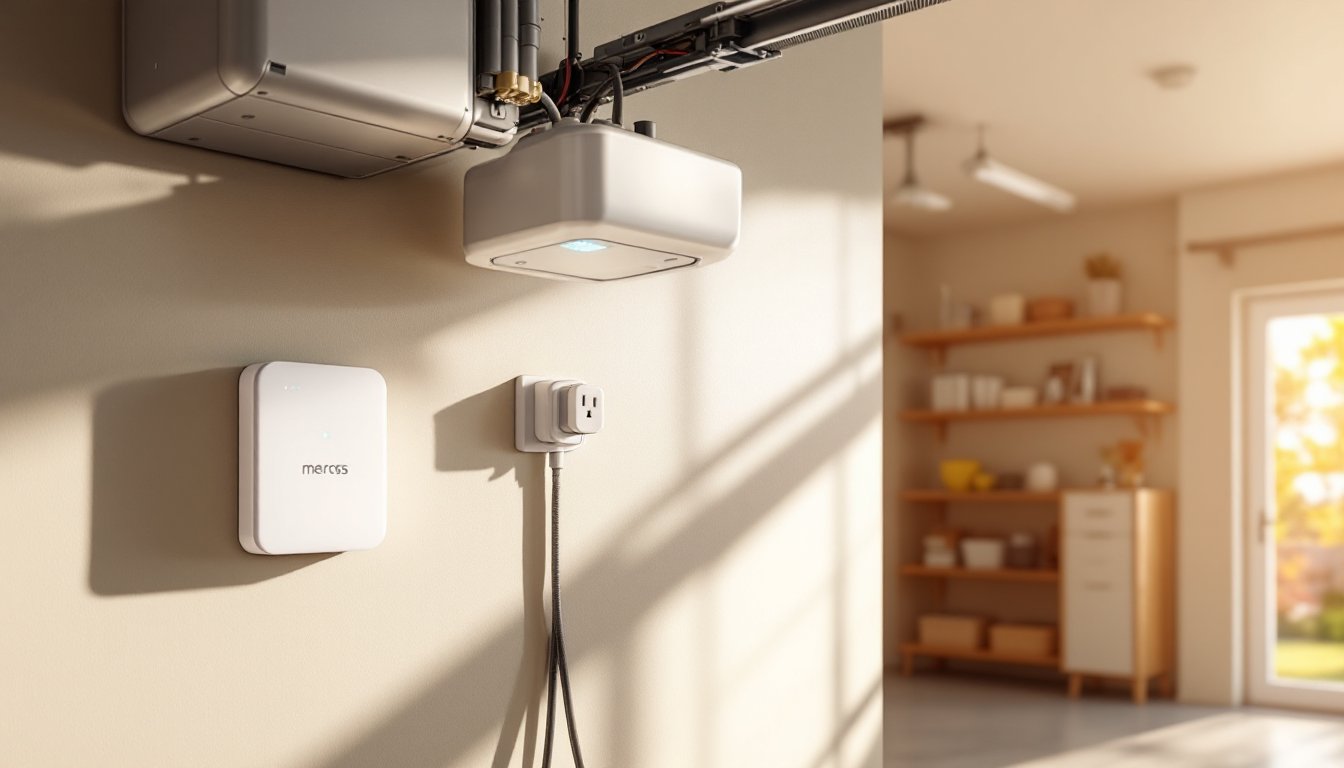
A smart garage door opener transforms daily convenience by letting homeowners monitor and control their garage from anywhere, no more fumbling for remotes or wondering if you forgot to close it. The Meross smart garage door opener has gained traction among DIY enthusiasts for its straightforward installation, reliable performance, and competitive pricing compared to premium alternatives. If you’re considering upgrading to a smart garage system but aren’t sure whether it’s right for your home, this guide walks through what the Meross model offers, how to install it yourself, and whether it delivers on its promises for security and peace of mind.
Table of Contents
ToggleKey Takeaways
- The Meross smart garage door opener is an affordable bolt-on controller that integrates with existing openers, eliminating the need for expensive replacement or professional installation.
- Installation is DIY-friendly and takes 30–45 minutes for most homeowners, but requires verifying your opener has a dry-contact output and a nearby 120V outlet.
- The Meross smart garage door opener offers app control, voice assistant compatibility, and customizable family access through 256-bit encryption, though remote functionality depends on stable internet connectivity.
- Real-time alerts, scheduling, and smart home automation make routine convenience effortless, but the system loses remote access during internet outages (local control remains intact).
- Security and reliability are solid for typical use, but Wi-Fi signal strength matters—mesh networks or range extenders improve performance in garages with weak coverage.
What Is The Meross Smart Garage Door Opener?
The Meross smart garage door opener is an add-on controller that works with existing garage door openers, you don’t rip out your current unit. Instead, it sits on the wall and communicates with your opener’s motor, giving you remote monitoring and control through a smartphone app. Think of it as an intelligent middleman between you and your garage mechanism.
Unlike some competitors that require a professional electrician, the Meross installation stays within DIY reach for most homeowners. The device typically connects to your home’s 2.4 GHz Wi-Fi network and includes a wireless remote, motion sensors, and door-status feedback. It works with openers from major manufacturers (Chamberlain, LiftMaster, Genie, and others) as long as your existing door has a functional manual release and standard electrical outlet nearby.
The appeal lies partly in its price point, it undercuts many premium systems while delivering the core smart features that matter most: remote access, real-time alerts, and scheduling. That said, it’s not a replacement for a broken opener: it’s an upgrade bolt-on that requires a functioning system to begin with.
Key Features and Smart Home Integration
App Control and Remote Access
The Meross Home app lets homeowners open and close the garage door from anywhere, your phone, tablet, or web dashboard. Status notifications arrive instantly: you’ll get an alert the moment someone opens the door, and the app displays a live feed if you’ve added a compatible camera. Scheduling is built in, so you can set automatic closure times if you’re prone to leaving it open at night.
Invites extend to family members and trusted contacts, each with customizable permissions, parents can monitor but not open, for instance. This granular control is more thoughtful than some competitors offer and reduces confusion over who has access.
Voice Assistant Compatibility
The Meross opener integrates with Amazon Alexa and Google Home, meaning voice commands work if you’ve already built out a voice ecosystem. “Alexa, close the garage” is faster than unlocking your phone mid-errand. But, voice control for garage doors comes with a built-in delay and confirmation step (most platforms require a PIN or two-step verification for safety). It’s convenient but not instant, by design, to prevent accidental or unauthorized closure.
Smart home routines add another layer: pair garage closure with nighttime routines, or trigger lights when the door opens after dark. The integration is solid but requires your other devices to be compatible, so check compatibility before assuming seamless automation.
Installation Process for DIY Setup
Installation is straightforward but demands careful prep and attention to wiring. Here’s the honest breakdown:
Before You Start:
- Verify your existing opener has a dry-contact output (a low-voltage connection point). Most modern openers do: some older units may require an electrician to verify.
- Locate a 120V outlet within 6 feet of the opener motor. If none exists, you’ll need to run a dedicated circuit (code requires this for garage openers in most jurisdictions).
- Test your existing remote and manual release to ensure the door operates normally. Meross won’t fix a balky opener.
Installation Steps:
- Turn off power to the garage door opener at the breaker.
- Disconnect the existing remote receiver if one is hardwired (most are not: yours likely plugs in).
- Use the included terminal connectors to attach the Meross controller wires to the dry-contact output on your opener. The manual specifies which terminals handle open and close signals.
- Plug the Meross device into the wall outlet.
- Download the app and follow the Wi-Fi pairing process. The device has a scan code to speed setup.
- Add your garage door through the app and test, start with short button presses to confirm movement.
Safety Considerations:
Wear safety glasses when working near the opener motor, especially if you’re accessing the back panel. Ensure the door is fully open and stays open during setup, never work under a raised door. If your door has a tension spring, do not attempt adjustment: springs are dangerous and require professional service. The Meross controller itself doesn’t interact with the spring, but it’s worth stating: respect the machinery.
The installation typically takes 30–45 minutes if you’re organized and have basic tool skills. If you’re uncomfortable with low-voltage wiring or your opener lacks a dry-contact output, hire an electrician, a few hundred dollars now beats a malfunctioning system later.
Security, Safety, and Reliability Considerations
Smart devices invite security questions, and garage doors are a logical entry point for thieves. Meross addresses this with 256-bit encryption for app communication and cloud storage. That means your credentials are encrypted end-to-end: Meross can’t see your activity even if they wanted to. But, security depends partly on your Wi-Fi network, use a strong password (not “password123”), keep your router firmware updated, and consider a dedicated smart home network if you’re security-conscious.
One practical limitation: the system requires continuous internet connectivity for remote access. Local control (within your home network) persists if your internet drops, but you lose remote monitoring until connection restores. For some homeowners, that’s a deal-breaker: for others, it’s an acceptable trade-off. Cellular backup (like some higher-end systems offer) isn’t included here.
Reliability, based on user feedback and reviews from outlets like Tom’s Guide’s smart garage door opener roundup, shows the Meross unit holds up well over time. The main complaints tend to be app crashes during major updates (rare) or Wi-Fi dropouts in homes with weak signal near the garage. A mesh Wi-Fi system or range extender solves the latter.
Real-world testing by reviewers at CNET and Digital Trends confirms the Meross performs reliably for basic open/close operations. Notifications sometimes lag 1–2 seconds, particularly on cellular networks, but that’s a limitation of smart home architecture, not Meross specifically.
One more thing: ensure the door has a manual release (the red cord or lever on the side). In a power outage or system failure, you need a way to open the door manually. Every garage door should have this: Meross doesn’t change that requirement.
Conclusion
The Meross smart garage door opener offers practical smart home integration at a fair price point for DIY homeowners willing to spend an hour on setup. It excels at remote monitoring and scheduling but depends on reliable Wi-Fi and an internet connection for full functionality. Installation is achievable if your existing opener is in good shape and has a dry-contact output: if you’re unsure, an electrician’s consultation costs less than a failed install. For homeowners seeking convenience without the premium price tag of high-end systems, Meross delivers solid value.