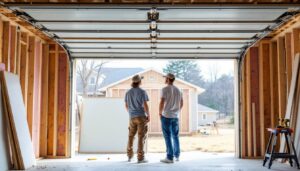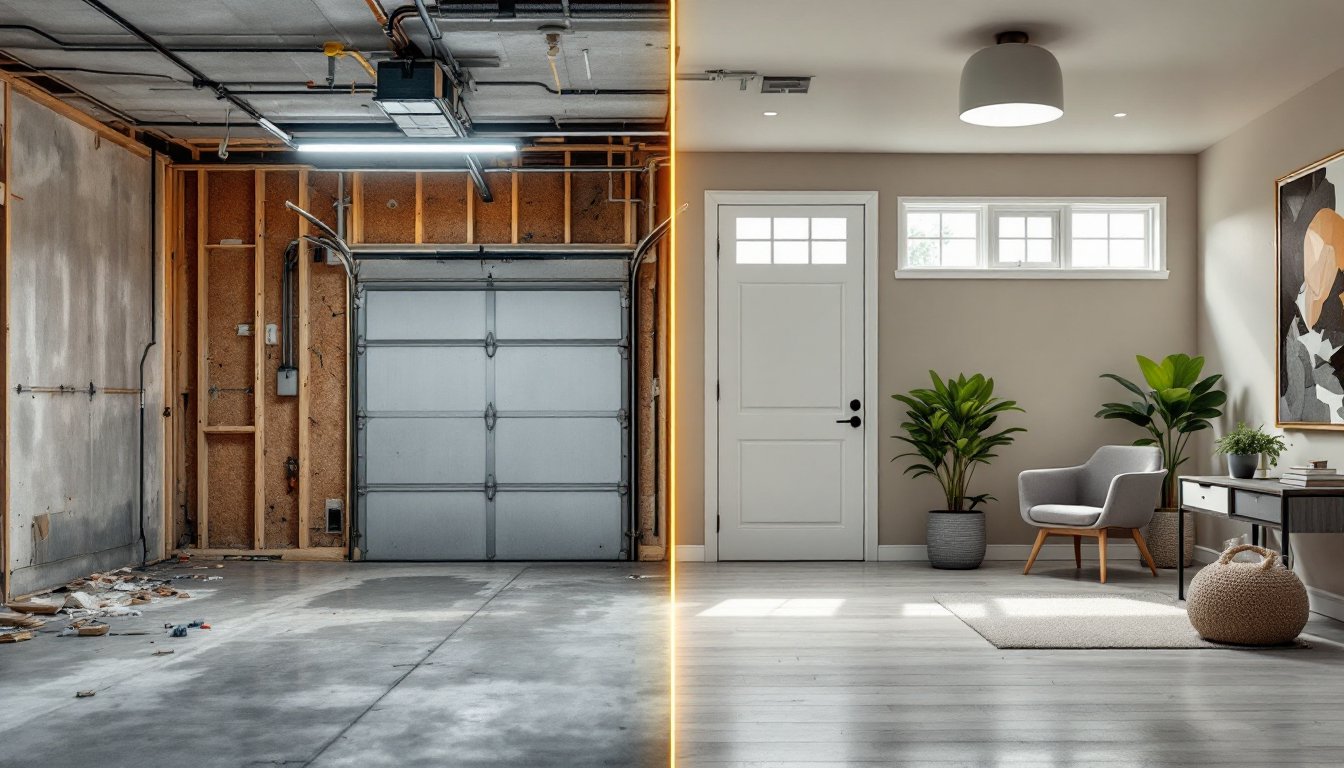
A garage conversion transforms one of the most underutilized spaces in a home into functional, valuable living area. Whether you’re looking at garage conversion before and after photos or planning your own project, the potential is striking, an empty concrete space becomes a guest suite, home office, or creative studio. In 2026, homeowners are increasingly recognizing that converting a garage doesn’t require an expensive addition: it requires smart planning, clear goals, and realistic execution. This guide walks you through popular conversion ideas, essential planning steps, and real-world challenges so you can visualize your transformation and understand what it takes to pull it off.
Table of Contents
ToggleKey Takeaways
- Garage conversions transform underutilized spaces into functional living areas like guest suites, home offices, or ADUs without the cost and complexity of room additions.
- Local building codes and permits are non-negotiable—verify egress requirements, ceiling height, insulation standards, and electrical capacity before starting your garage conversion project.
- Popular garage conversion ideas in 2026 include accessory dwelling units (ADUs) for rental income, guest suites, and home offices that capitalize on existing structure and utilities.
- Plan utilities, insulation, and moisture control early in your project, as addressing these fundamentals upfront saves money and prevents costly problems like mold or condensation later.
- Close off the garage door opening with an insulated framed wall, solve flooring transitions with moisture barriers or LVP, and confirm parking alternatives before committing to your conversion.
Why Homeowners Are Converting Garages Today
Garage conversions have become one of the smartest home investments. Unlike room additions or second-story builds, converting existing garage space avoids foundation work, complex framing, and years of municipal red tape. Most garages already have exterior walls, a roof, and utilities nearby, the bones are there.
In 2026, rising housing costs and remote work have made every square foot count. A homeowner who needs a guest space, a dedicated office, or income from an accessory dwelling unit (ADU) finds a garage conversion far more feasible than building from scratch. According to recent renovation data, homeowners see strong ROI when converting garages into functional living spaces that address a real household need.
Another driving factor is the visual proof. When homeowners see garage conversion before and after images, they see the dramatic shift from a storage cave to a polished, livable room. That before-and-after contrast is motivating, and achievable with the right plan. Many conversions can be tackled over a few weeks to a few months, depending on scope and permits. Whether you’re keeping costs minimal or upgrading finishes, the bones of the project remain consistent.
Popular Garage Conversion Ideas
Guest Suites and ADUs
Guest suites are among the most popular conversions. A homeowner removes the garage door, closes the opening with a wall, adds a small bathroom (or powder room), and finishes the space with flooring, paint, and lighting. The result is an independent sleeping area that looks nothing like the workshop it once was.
Accessory Dwelling Units (ADUs) take this further by adding a kitchenette or full kitchen, creating a legal, rentable or guest-resident space. This requires more planning, plumbing, electrical service capacity, and local zoning approval, but the payoff is substantial. Many jurisdictions now encourage ADUs to address housing shortages, so the regulatory path is smoother than it was five years ago.
When you compare garage conversions trends 2026, ADUs and guest suites dominate because they serve immediate family needs or income goals. Before-and-after photos show how a blank concrete floor transforms into a cozy, separate living space with warm lighting, drywall, and finishes.
Home Offices and Creative Studios
With remote work solidified as a permanent lifestyle for millions, home offices rank second only to guest suites in conversion popularity. A garage office offers sound isolation, a dedicated work zone, and full control over lighting and layout. Some homeowners keep the garage concrete floor and polish it with epoxy for an industrial-chic studio vibe: others add laminate or luxury vinyl plank (LVP) for warmth.
Creative studios, photography studios, art spaces, music rooms, benefit enormously from garage conversions. The open floor plan and height give artists room to work. Adding track lighting, power outlets, and climate control turns a generic garage into a professional creative space. Before-and-after transformations here are particularly dramatic because the before image is often just exposed studs and bare concrete, while the after shows a finished, inspiring workspace.
Essential Steps to Plan Your Conversion
1. Check Local Codes and Permits
This is non-negotiable. Building codes vary by jurisdiction, but garage conversions typically require permits because you’re converting an enclosed structure into living space. You’ll need to verify:
- Egress requirements: How many exits must the space have? A bedroom typically needs a second emergency exit (window or door).
- Ceiling height: Most codes require a minimum of 7 feet 6 inches finished ceiling height.
- Insulation and air sealing: Converted garages must meet thermal resistance (R-value) standards for your climate zone.
- Electrical capacity: Adding rooms or circuits may require a sub-panel or service upgrade.
Contact your local building department before you start. Many require permits for structural changes, plumbing, electrical work, and HVAC modifications. Getting permits upfront saves you from costly code violations and headaches during inspection.
2. Define Your Use and Budget
Your budget dictates scope. A basic guest room with paint, drywall, and flooring costs far less than adding plumbing for a full bathroom or upgrading electrical service. List your non-negotiables:
- Will this space need a bathroom or kitchenette?
- Does it require its own HVAC zone or will a space heater/portable AC suffice temporarily?
- Are you adding windows for natural light?
- What flooring material fits your budget and use case?
Essential Garage Conversion Tools can help you execute your plan efficiently, but the first step is defining what that plan actually is.
3. Plan Utilities and Layout
Walk through the space and mark where you want light switches, outlets, and plumbing. Most garages have existing electrical service (often a dedicated 240V circuit for the garage door opener), but you’ll likely need more circuits for outlets, lighting, and climate control. Plan for a minimum of one outlet every 6 feet along walls if this is an office or guest room.
For bathrooms or kitchenettes, hire a licensed electrician and plumber to assess if water and drain lines can reach the garage economically. Sometimes they can tie into existing lines: sometimes a sub-line is needed. This assessment affects budget and timeline significantly.
4. Consider Insulation and Climate Control
Uninsulated garages are cold and hot extremes. If your garage conversion will house people year-round, insulation is essential. Standard fiberglass batts (R-13 or R-15 for walls, R-30 to R-49 for ceilings, depending on climate) work fine. Spray foam is more expensive but delivers better air sealing.
For heating and cooling, you have options: extend your main HVAC system (often costly if the garage is distant), use a ductless mini-split heat pump, or rely on a combination of window AC units and space heaters. The top garage conversions to maximize space typically prioritize one of these climate strategies early.
Renovation Challenges and Solutions
The Garage Door Opening
The most obvious challenge: you must close off that large garage door opening. You can’t leave it as a decorative opening: codes require a solid, insulated wall. Build a framed wall (2×4 studs, 16 inches on center) across the opening, add insulation, drywall on both sides, and finish to match the rest of the space. This is straightforward work but requires precision, improper framing reduces insulation value and creates thermal bridging.
If you want to preserve vehicle access or partial garage function, you can frame a regular door or narrower opening, but you’ll lose floor space and must still insulate the rest of the opening.
Flooring Transitions
Garage concrete is often lower than adjacent room floors, or sloped for drainage. You can’t simply lay carpet over it: moisture wicks up and ruins the material. Solutions include:
- Pouring a new sub-base or leveling compound to raise the floor.
- Installing a moisture barrier (polyethylene sheeting or epoxy primer) before flooring.
- Using moisture-tolerant materials like LVP or polished epoxy concrete.
Measure the slope and compare it to your adjacent rooms before choosing flooring.
Plumbing and Electrical in an Existing Structure
Running new water and drain lines through finished walls is expensive and invasive. If your before-and-after vision includes a bathroom, get a plumber’s estimate early. Sometimes it’s cheaper to locate the bathroom near an existing wall where lines run. For electrical, surface-mounted conduit is an option if in-wall routing is impractical, though it’s less elegant.
Moisture and Condensation
Garages are notoriously damp. Before converting, seal cracks in the concrete, ensure proper grading outside so water doesn’t pool near the foundation, and verify that gutters drain away from the building. Once finished, add a dehumidifier if condensation becomes an issue in winter. Garage conversions for beginners often overlook this step, leading to mold or musty odors months later.
Loss of Parking or Storage
If your household has two or more cars, losing a garage stall impacts daily life. Before you commit, confirm where vehicles will go, a driveway, a second garage, street parking. If you need storage, plan for a shed or shelving in the remaining garage space, or sacrifice some conversion square footage to keep a one-car bay.
Conclusion
Garage conversion before and after transformations illustrate why this project has become a go-to home improvement investment. The dramatic shift from an empty, utilitarian space to a finished, functional room speaks for itself. Success depends on clear planning: understanding local codes, defining your use case, budgeting realistically, and addressing utilities, insulation, and moisture from day one. When homeowners tackle these elements systematically, rather than diving into cosmetic finishes first, the final space works as well as it looks. Start by consulting your local building department, connecting with contractors or specialized DIY guides, and comparing your space against proven conversion ideas. Your before-and-after story is waiting to be written.