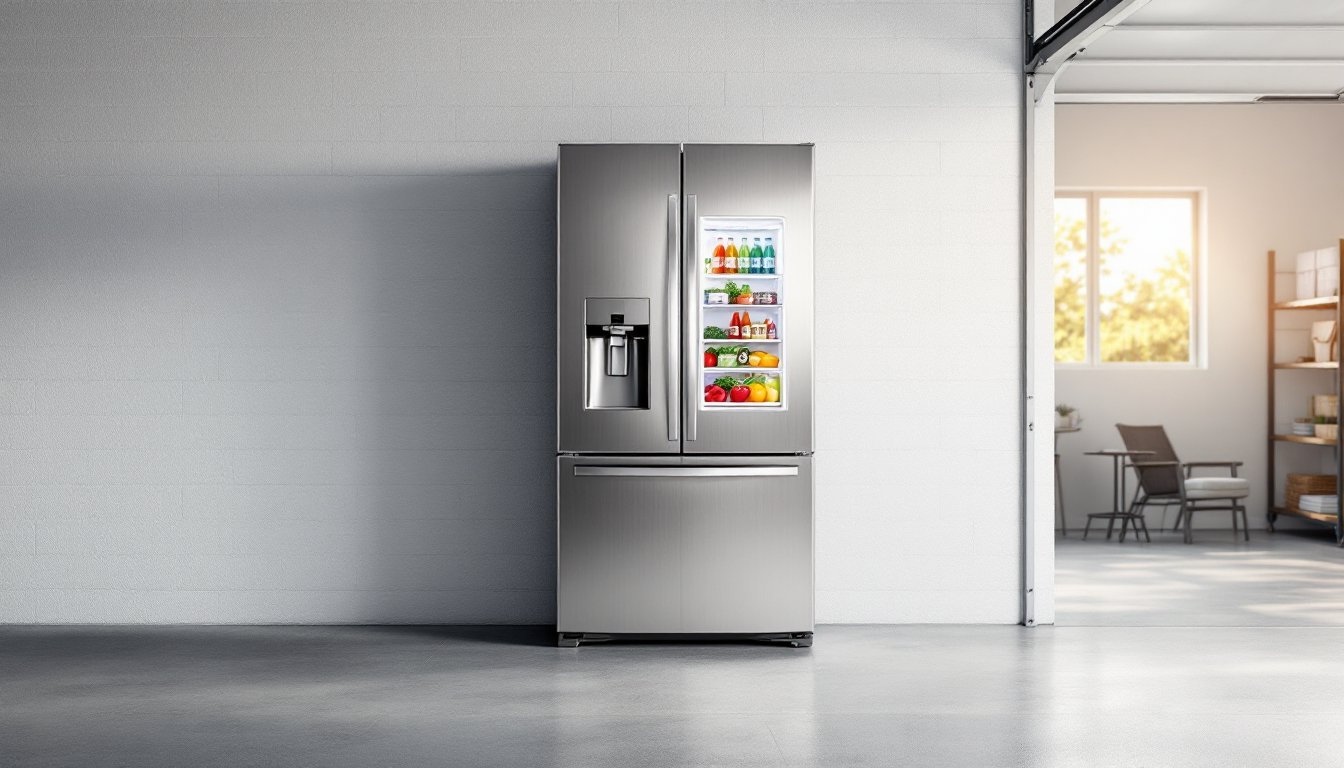
A garage refrigerator solves a real problem: you’re hosting a cookout, prepping for game day, or storing holiday beverages and overflow groceries, but your kitchen fridge is already packed. Rather than running inside for drinks or cramming items into an already full appliance, many homeowners add a dedicated garage fridge. But not every refrigerator works in a garage. Standard models are designed for climate-controlled kitchens, not the temperature swings and humidity of a garage in summer or the freezing conditions come winter. A best garage refrigerator or garage ready refrigerator freezer is built to handle these extremes. This guide walks through why a garage refrigerator matters, how to pick the right one, and how to keep it running reliably for years.
Table of Contents
ToggleKey Takeaways
- A garage refrigerator solves kitchen overflow and entertaining needs, but only models with temperature-control features like a garage heater kit can safely operate in the temperature extremes of an unfinished garage.
- Standard refrigerators fail in garages because they’re designed for 60–85°F kitchens, while a garage ready refrigerator freezer handles temperature swings of 30–50°F beyond that range by maintaining proper compressor function.
- Choose a garage refrigerator size based on your space and needs: compact 4–5 cubic-foot models for beverages, mid-range 15–18 cubic-foot units for occasional entertaining, or 20+ cubic-foot models for large families and frequent gatherings.
- Proper installation requires placing your unit away from direct sunlight and heat sources, allowing 2 inches of side clearance for airflow, and letting it sit 4–6 hours before first use if transported horizontally.
- Clean condenser coils every 3 months, check door gaskets quarterly, and drain the defrost water line annually to maintain your garage refrigerator’s efficiency and extend its lifespan to 10–15 years of reliable service.
Why Garage Refrigerators Are Worth the Investment
A garage refrigerator isn’t a luxury, it’s a practical appliance that extends food storage and offloads pressure from your main kitchen fridge. During holidays, summer entertaining, or even day-to-day overflow, a dedicated unit in the garage keeps your workflow efficient without cramping your kitchen layout.
The key difference between a standard refrigerator and a garage ready refrigerator freezer is its ability to operate in temperature extremes. Standard refrigerators are designed to run in kitchens held between 60–85°F (16–29°C). In an unheated garage during winter, or an un-insulated one in summer, temperatures can swing 30–50°F beyond these limits. When a typical fridge is exposed to extreme cold, refrigerant can’t circulate properly, and the compressor may fail to cycle on, leaving food unsafe. Conversely, heat causes the compressor to work overtime, shortening its lifespan.
A garage ready model includes a garage heater kit or similar control system that maintains proper operating conditions regardless of season. These units also handle humidity and temperature fluctuations that would degrade standard compressors. The investment, typically $400–$800 more than a standard unit, pays off in longevity and reliability. Most homeowners report 10–15 years of trouble-free service from a properly maintained best garage refrigerator.
How to Choose the Right Garage Refrigerator
Picking the right model means matching capacity to your needs and ensuring temperature control for your climate.
Size and Capacity Considerations
Garage refrigerators range from compact 4–5 cubic-foot models (good for extra beverage storage) to full-size 25+ cubic-foot units (enough for serious entertaining or large families). Before shopping, measure your garage space: depth, width, and height from floor to where shelving or other obstacles might interfere. Don’t forget to account for the door swing, you need clearance on at least one side.
Capacity depends on your use case. A couple hosting occasional gatherings might choose a mid-range 15–18 cubic-foot model with separate fridge and freezer sections. Larger families or those who entertain frequently should look at 20+ cubic-foot best garage ready refrigerator options. A side-by-side layout (like a garage ready side by side refrigerator) offers easy access to both fresh and frozen items without bending. French-door models are sleeker but may limit freezer space if you store a lot of frozen goods.
Consider door count and style. A basic single-door fridge-freezer combo is cheaper and compact: a two-door unit (top freezer, bottom fridge) is the refrigerator workhorse: a garage freezer refrigerator with a bottom freezer drawer adds convenience at a higher cost.
Temperature Control and Garage Climate
This is the make-or-break feature. A best garage refrigerator for 2026 must either include a garage heater kit or support an external thermostat override. Heater kits work by warming the exterior wall or interior components when ambient temperature drops below approximately 50°F, keeping the compressor working efficiently.
Check the product specs for the operating temperature range. Reputable units list something like “Operates in ambient temperatures from 38°F to 110°F” (3–43°C). If you live in a climate with harsh winters (below 20°F/-7°C regularly), confirm the heater kit is included or available, don’t rely on the standard unit alone.
Humidity matters too. Basements and unfinished garages can be damp, especially near concrete floors. Look for models with sealed back panels and good gasket seals on doors to prevent moisture infiltration and mold growth. If your garage floods seasonally, elevation or a platform is advisable: water damage voids most warranties.
Installation and Setup Tips
Proper installation extends the life of any garage appliance. Start with placement. Choose a spot away from direct sunlight (which overworks the compressor), heat sources like furnaces or water heaters, and high-traffic areas where you might bump the unit. Allow at least 2 inches of clearance on the sides and back for air circulation. The front doesn’t need as much, but 4 inches is ideal to let heat dissipate from the condenser.
Before plugging in, let the unit sit for 4–6 hours if it was transported horizontally or stored flat. This allows refrigerant and oil to settle properly in the compressor. If you had to tilt it during delivery, waiting is essential, cold starts on a tilted unit can damage the compressor.
If your model includes a heater kit, follow the manufacturer’s wiring diagram carefully. Kits usually plug into a standard outlet and are either hardwired or cord-connected. For hardwired installations, consult an electrician if you’re unsure about local codes. Most garages have a dedicated outlet already, but verify it’s not on a circuit shared with heavy-draw tools.
Set the thermostat to the factory default (usually 37–40°F for the fridge section, 0°F for the freezer) and let it run for 24 hours before loading food. This allows the internal temperature to stabilize. Keep the door closed during this period. Organizing shelves and bins before filling saves frustration later.
Maintenance and Longevity
A garage ready refrigerator freezer demands more attention than a kitchen model because it operates in harsher conditions. Clean the condenser coils every 3 months using a vacuum with a brush attachment or a fin comb. Dust buildup chokes airflow and forces the compressor to work harder, cutting lifespan by years. Check gasket seals quarterly, if they’re cracked or loose, cold air leaks out and mold grows in the crack. A simple test: close the door on a piece of paper: if it pulls out easily, the gasket needs replacing (usually a $30–$80 part, less than a service call).
Drain the defrost water line annually, even if you don’t notice ice buildup. Sediment clogs the drain and causes water pooling inside. Most models have an access panel at the base: consult your manual for the drain location. Frozen defrost lines are common in unheated garages, pour warm (not boiling) water into the drain if you suspect ice.
Monitor the heater kit operation in fall and winter. Many units have a small indicator light that shows when the heater is active: if it never comes on even when the garage temperature drops, the thermostat may be stuck or the kit may be failing. Have it serviced before the coldest months arrive. Finally, check that your outlet hasn’t been shared with high-load devices like space heaters or air compressors, voltage fluctuations stress the compressor. A dedicated 15–20 amp circuit is ideal, though a home improvement cost guide can help you budget for electrical work if needed.
Conclusion
Choosing and installing a best garage refrigerator is a smart investment that pays off every time you need extra cold storage. The difference between a standard fridge that fails in a garage and a garage ready refrigerator freezer is thoughtful engineering, a heater kit, better sealing, and durable components designed for climate extremes. Match your capacity needs to your space and entertaining style, prioritize temperature control features, and commit to quarterly maintenance. With the right unit and care, your garage fridge will serve reliably for a decade or more, making every gathering and meal-prep session more convenient.