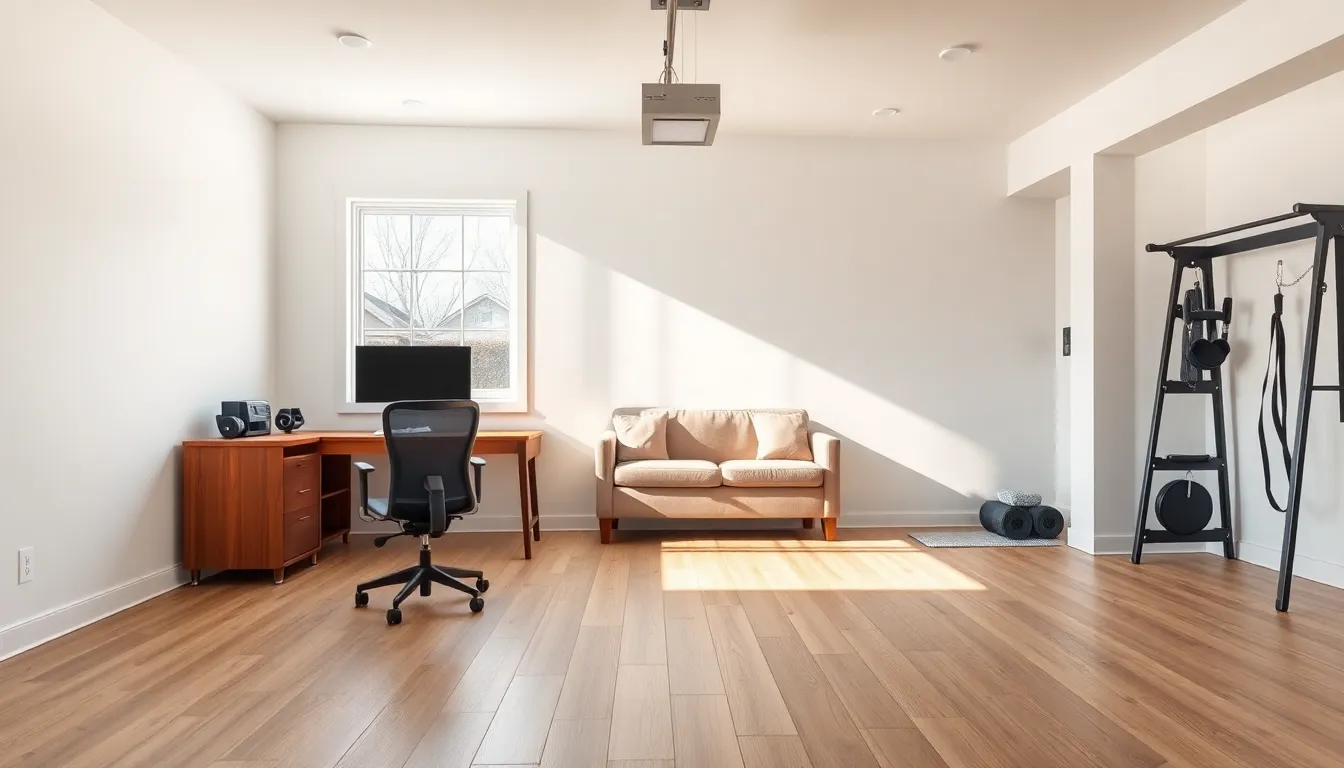
Garage conversion ideas are reshaping how homeowners use their existing square footage. That dusty space filled with old bikes and holiday decorations? It holds serious potential. Whether someone needs a home office, a guest suite, or a personal gym, a converted garage can deliver real value without the cost of a full addition.
The average garage conversion costs between $10,000 and $25,000, far less than building new square footage from scratch. And the return on investment often reaches 80% or higher at resale. These numbers explain why so many homeowners are rethinking their garages right now.
This guide covers the most practical garage conversion ideas, from workspaces to entertainment rooms. It also breaks down what to consider before starting any project.
Table of Contents
ToggleKey Takeaways
- Garage conversions cost between $10,000 and $25,000 on average, delivering up to 80% return on investment at resale.
- Popular garage conversion ideas include home offices, guest suites, entertainment rooms, and personal gyms—each adding functional living space without building an addition.
- Converting a garage to a rental unit (ADU) can generate $1,000 to $2,500 in monthly income, often paying for itself within a few years.
- Essential upgrades for most garage conversions include insulation, climate control, electrical work, and proper flooring to meet living space standards.
- Always check local zoning laws and obtain building permits before starting—unpermitted work creates serious problems during resale.
- Match your garage conversion idea to how you’ll actually use the space, and build in flexibility for changing needs over time.
Home Office and Workspace Conversions
A garage-to-office conversion makes sense for anyone working remotely. The separation from the main house creates mental distance between work and personal life. Many remote workers struggle with this boundary when their desk sits in a bedroom corner.
Garage conversion ideas for home offices typically include:
- Insulation and climate control – Garages lack the thermal protection of living spaces. Proper insulation and HVAC installation come first.
- Electrical upgrades – Most garages have limited outlets. A dedicated circuit for computers and office equipment prevents problems.
- Flooring changes – Concrete floors need covering. Epoxy coatings, luxury vinyl plank, or carpet tiles all work well.
- Natural lighting – Adding windows or skylights transforms the feel of the space. Good lighting reduces eye strain and boosts productivity.
Some homeowners take their garage conversion ideas further by creating studio spaces for creative work. Photographers, artists, and podcasters benefit from the extra room and sound separation a converted garage provides.
The key is matching the conversion to actual work needs. A freelance writer needs different features than a woodworker or video editor.
Guest Suite and Rental Unit Options
Converting a garage into a guest suite or accessory dwelling unit (ADU) ranks among the most valuable garage conversion ideas. These spaces serve double duty, hosting visiting family while creating rental income potential.
A basic guest suite includes:
- A sleeping area with proper ventilation
- A small bathroom (adding plumbing increases costs significantly)
- Minimal kitchen facilities or a kitchenette
- Private entrance for guest convenience
Rental units require more investment but generate ongoing income. In high-demand areas, a garage ADU can bring $1,000 to $2,500 monthly. The conversion typically pays for itself within a few years.
Local zoning laws control what’s possible. Some cities encourage ADUs and offer streamlined permits. Others restrict them heavily. Checking local regulations before planning saves headaches later.
Garage conversion ideas for rentals should prioritize privacy and self-sufficiency. Tenants want separate utilities, their own entrance, and enough space to feel at home. Cutting corners on these elements leads to vacancy problems.
Entertainment and Recreation Rooms
Entertainment-focused garage conversion ideas remain popular for good reason. Families need dedicated spaces for fun without disrupting the main living areas.
A home theater conversion works particularly well in garages. The lack of windows (often seen as a drawback) actually helps with light control. Proper soundproofing keeps movie nights from disturbing neighbors.
Other entertainment garage conversion ideas include:
- Game rooms – Pool tables, ping pong, arcade machines, and gaming consoles all fit comfortably in a two-car garage.
- Music rooms – Drummers and guitarists appreciate the sound isolation. Adding acoustic panels improves the space for practice and recording.
- Bar and lounge areas – A wet bar, comfortable seating, and proper ventilation create a social hub separate from family spaces.
- Kids’ playrooms – Dedicated play areas keep toys contained and give children room to spread out.
The garage’s location matters for entertainment spaces. A detached garage offers better sound isolation but requires weatherproof pathways. An attached garage connects easily to the house but needs more soundproofing work.
These garage conversion ideas work best when the design matches how people actually spend their time. A game room nobody uses wastes money.
Fitness Studios and Home Gyms
Gym memberships cost money every month. A garage gym costs money once. This simple math drives many garage conversion ideas toward fitness spaces.
A basic home gym needs:
- Flooring protection – Rubber mats or interlocking tiles protect concrete and reduce noise from dropped weights.
- Climate control – Working out in extreme heat or cold limits consistency. Insulation and HVAC matter here.
- Mirrors – Full-length mirrors help with form checks and make the space feel larger.
- Equipment storage – Wall-mounted racks keep dumbbells and bands organized.
Serious lifters can install power racks, Olympic platforms, and cable machines. Yoga practitioners might prefer open floor space with minimal equipment. Cyclists can set up dedicated trainer stations with screens for virtual rides.
Garage conversion ideas for fitness should account for future needs. Interests change over time. Building in flexibility, like adjustable storage and open floor plans, prevents expensive redesigns later.
Ventilation deserves special attention. Garages trap heat and humidity. Proper airflow keeps workouts comfortable and prevents mold growth on equipment.
Planning Your Garage Conversion Project
Good garage conversion ideas fail without proper planning. Several factors determine whether a project succeeds.
Permits and Regulations
Most garage conversions require building permits. Skipping this step creates problems at resale when buyers discover unpermitted work. Check local requirements before starting.
Some areas mandate replacement parking when garages convert to living space. This requirement can limit options or add costs for alternative parking solutions.
Budget Considerations
Garage conversion ideas should match realistic budgets. Basic conversions run $10,000 to $15,000. Adding bathrooms or kitchens pushes costs toward $30,000 or higher. Getting multiple contractor bids helps establish accurate expectations.
Hidden costs catch many homeowners off guard. Electrical panel upgrades, foundation repairs, and code-required changes add up quickly.
Structural Requirements
Garages weren’t built as living spaces. Floors may need leveling. Walls may need reinforcement. Ceilings may sit too low for comfortable use. A professional assessment identifies these issues before construction begins.
Timeline Expectations
Simple garage conversion ideas take 4-6 weeks. Complex projects with plumbing and major structural work stretch to 3-4 months. Weather, permit delays, and material availability all affect schedules.
Planning for disruption helps. Stored items need temporary homes. Parking arrangements may change. Setting expectations upfront reduces stress during construction.