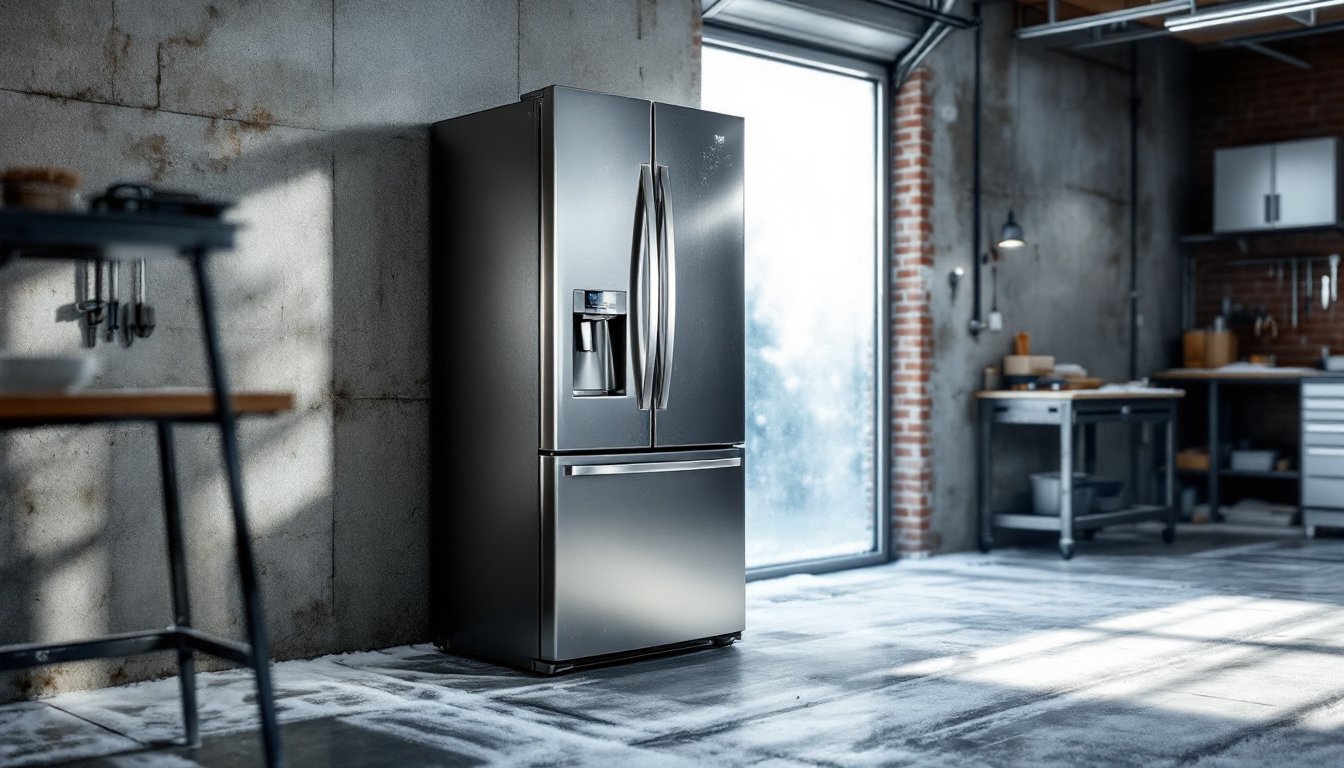
If you’ve ever set up a beverage cooler in the garage or workshop, you’ve probably noticed the standard fridge won’t cut it. A garage ready refrigerator is built specifically to operate in unheated, uncontrolled spaces where temperatures swing wildly, think below freezing in winter and hot in summer. Unlike regular kitchen refrigerators that rely on consistent indoor conditions, these machines come equipped with a heater strip (yes, really) to prevent fluid loss in the compressor and other components when it’s frigid outside. They’re a practical upgrade for anyone who needs reliable cold storage beyond the kitchen, from the serious DIY shop to the basement bar setup.
Table of Contents
ToggleKey Takeaways
- A garage ready refrigerator features an auxiliary heater that prevents compressor failure by keeping critical components warm when temperatures drop below 50°F, making it essential for unheated garages and workshops.
- Standard refrigerators operating in cold environments below 50°F experience refrigerant flow blockages, uneven cooling, and compressor failure that voids warranties, whereas garage-ready models are engineered to handle extreme temperature swings.
- When shopping for a garage ready refrigerator, prioritize temperature ratings suited to your climate’s worst-case scenario, quality insulation and door seals, manual heater controls, and explicit warranty coverage for unheated spaces.
- Proper installation—including site selection with adequate ventilation, 4–6 hours of acclimation time after delivery, correct leveling, and dedicated electrical circuitry—maximizes the lifespan and performance of garage refrigerators.
- A garage ready refrigerator can be used indoors without any drawbacks and offers the added flexibility to relocate later while providing superior durability compared to standard kitchen models.
- Beyond cold-weather survival, garage-ready refrigerators are ideal for workshops, man caves, basement rec rooms, hobby setups requiring beverage storage, and seasonal entertaining in unheated spaces.
What Exactly Is a Garage Ready Refrigerator?
A garage ready refrigerator is a refrigerator engineered to function reliably in temperatures as low as 0°F (or sometimes lower), without the mechanical failures that would cripple a standard fridge. The defining feature is an auxiliary heater, a heating element that warms the back wall (or other critical areas) during cold snaps. This prevents refrigerant from becoming too thick and blocking the compressor, which is the heart of cooling. When your garage dips below 50°F at night, a regular fridge’s compressor can’t cycle properly: the heater in a garage-ready model keeps things flowing.
These refrigerators aren’t exotic. Many major brands, Whirlpool, GE, Frigidaire, and others, offer garage-ready versions alongside their standard lines. What does garage ready mean for a refrigerator? It simply means the unit has been tested and rated to operate safely in environments outside the typical kitchen range. Some models are fully garage-ready out of the box. Others ship with the heater disabled and let you flip a switch or adjust a dial to activate it when you move the fridge to an unheated space.
The core benefit: reliability and longevity. A standard refrigerator pushed into garage duty will experience premature compressor wear, refrigerant flow problems, and potential component failure, all because the internal electronics and mechanics assume a stable 50–85°F ambient environment. Garage-ready units cost more upfront but save headaches and replacement costs down the road.
Key Differences From Standard Refrigerators
The gap between a regular refrigerator and a garage-ready model comes down to engineering for extremes. A standard fridge works best between 50°F and 85°F ambient temperature, roughly what you’d expect from a climate-controlled kitchen. Below 50°F, the compressor runs less frequently because the interior already stays cold from outdoor conditions. This sounds convenient, but it actually breaks the defrost cycle. Moisture builds up, ice accumulates unevenly, and compressor lubrication becomes thick and sluggish.
A garage-ready refrigerator includes:
• Auxiliary heater: Keeps critical components warm during cold seasons
• Enhanced insulation: Better seals to handle temperature swings
• Rated compressor: Designed to cycle properly in low-temperature conditions
• Upgraded thermostat logic: Manages heating and cooling cycles simultaneously
How Temperature Control Works in Garage Environments
In a warm garage (above 50°F), the garage-ready fridge operates like any other, the compressor cycles to maintain cold interior temperatures, and the heater stays off. As ambient temperature drops, a thermostat detects the change. Once it hits around 50°F or your model’s threshold, the heater activates automatically. The heater warms the evaporator coils or other components just enough to keep refrigerant flowing smoothly, without heating the interior compartments.
This dual-cycle operation is why garage-ready models cost more: they require additional wiring, a more sophisticated control board, and thermal sensors. The thermostat has to balance two opposing needs, cooling the box and heating the back-wall components, without either overriding the other. It’s not magic, just solid engineering. Some units let you manually override the heater setting, which is useful if you’re storing the fridge in a heated garage during winter or moving it seasonally.
Why You Need One for Your Garage or Workshop
If your garage sits unheated in winter, a standard refrigerator is a liability. Cold climates experience temperatures well below the compressor’s safe operating range, leading to:
• Refrigerant flow blockages
• Compressor failure (expensive repair, often a replacement)
• Uneven cooling and premature defrost-cycle breakdown
• Voided warranty (most manufacturers won’t honor coverage if the fridge was used outside rated conditions)
A garage ready refrigerator eliminates these risks. It’s the right tool for the job, period. Workshops, man caves, unfinished basements, and detached garages all benefit from this equipment because they lack consistent climate control.
Beyond cold-climate survival, garage-ready fridges make sense for homeowners planning beer brewing, woodshop projects, or hobby setups that demand beverage storage away from the kitchen. If you’re converting your garage into a living space, workshop, or rec room, a garage-ready fridge is a practical addition that actually works in those conditions. Seasonal storage scenarios, like running a holiday beverage station in an unheated guest house, also call for garage-ready equipment.
Another practical angle: Can a garage ready refrigerator be used in the house? Yes, absolutely. There’s no downside to having a garage-ready fridge in your kitchen if you want the flexibility to relocate it later, or if you simply prefer the durability. It’ll function identically to a standard fridge indoors, with the bonus that its compressor and components are built tougher. It’s like buying a hammer rated for masonry nails instead of just finishing nails, you’re paying a bit more upfront for versatility.
Top Features to Look For When Shopping
When evaluating garage-ready refrigerators, prioritize these attributes:
Temperature Rating: Confirm the unit is rated down to your climate’s worst-case scenario. If your garage can hit -10°F, a fridge rated to 0°F is cutting it close. Look for models rated to -10°F or lower for a safety margin.
Capacity and Layout: Garage fridges come in top-freezer, bottom-freezer, and side-by-side configurations. Top-freezer models are cheaper and simpler: bottom-freezer units offer easier access to fresh food: side-by-side doors take up more wall space. Choose based on your workflow. A workshop fridge doesn’t need a separate ice maker, so skip unnecessary features.
Manual Heater Control: Higher-end garage-ready models let you toggle the heater on and off or adjust sensitivity. This is valuable if you move the fridge seasonally or want to optimize for specific conditions.
Seal and Insulation Quality: Garage environments see bigger temperature swings than kitchens. Look at gasket thickness (the rubber seal around the door) and insulation ratings. Better seals reduce compressor workload.
Warranty: Many manufacturers restrict coverage for units used in garages unless they’re explicitly garage-ready. Confirm the warranty explicitly covers unheated spaces. Some warranties are regional (they may not cover extreme cold in Minnesota, for example).
External resources like expert freezer reviews compare models head-to-head and test performance across temperature ranges, helping you understand real-world performance beyond manufacturer specs.
Installation Tips and Best Practices
Proper installation maximizes the lifespan of a garage-ready refrigerator and ensures the heater function works as intended.
Site Selection: Place the fridge in a well-ventilated area away from direct sunlight, moisture, and drafts. In a garage, that often means near the wall opposite the overhead door, not directly beside it where cold air rushes in. Leave at least 2 inches of clearance on the sides and back for air circulation around the condenser coils. A cramped, unventilated garage corner causes the compressor to overheat and cycle harder than necessary.
Allow Acclimation Time: After delivery, let the fridge sit unplugged for 4–6 hours if it’s been transported in cold weather. This lets internal fluids settle. If refrigerant sloshes inside during shipping, compressor failure can result from immediate startup. This step is often overlooked and leads to warranty disputes.
Leveling: Use a spirit level to ensure the fridge sits square. Even a slight tilt can prevent proper door seal and interfere with internal fluid dynamics. Most garage floors aren’t perfectly level, so shims (thin metal or plastic wedges) under the front feet may be necessary.
Heater Activation: If your model ships with the heater disabled, activate it before the first freeze. Consult your manual, some units have a switch on the back, others use an internal dial or electronic control. Don’t assume it’s on by default.
Electrical Setup: Use a dedicated 15-amp circuit if possible. Garages see voltage fluctuations from tools and equipment sharing circuits: a dedicated line protects the fridge’s compressor and heater. If running an extension cord is unavoidable, use a heavy-gauge 12-AWG cord rated for outdoor use (even indoors in garages), maximum 25 feet. Cheaper light-duty cords risk voltage drop and component damage.
Temperature Monitoring: Hang a simple dial thermometer inside to confirm the fridge is holding correct temperatures (typically 35–38°F for fresh food, 0°F or below for the freezer). In cold climates, monitor conditions during your first winter to catch any anomalies early.
Learn more about smart home monitoring by reading home technology reviews if you’re considering temperature sensors or connected appliances for your garage setup.
Conclusion
A garage ready refrigerator is a practical, purpose-built solution for cold storage in unheated spaces. The auxiliary heater, enhanced thermostat, and rated compressor let it thrive where standard appliances fail. Whether you’re outfitting a workshop, planning seasonal entertaining, or simply want the flexibility to relocate a fridge later, the upfront cost pays dividends in reliability and peace of mind. Measure your space, confirm your climate’s temperature extremes, and select a model with clear warranty coverage for unheated use. Then install it properly, ventilation, leveling, and acclimation matter, and you’ll have a dependable cooling solution for years.