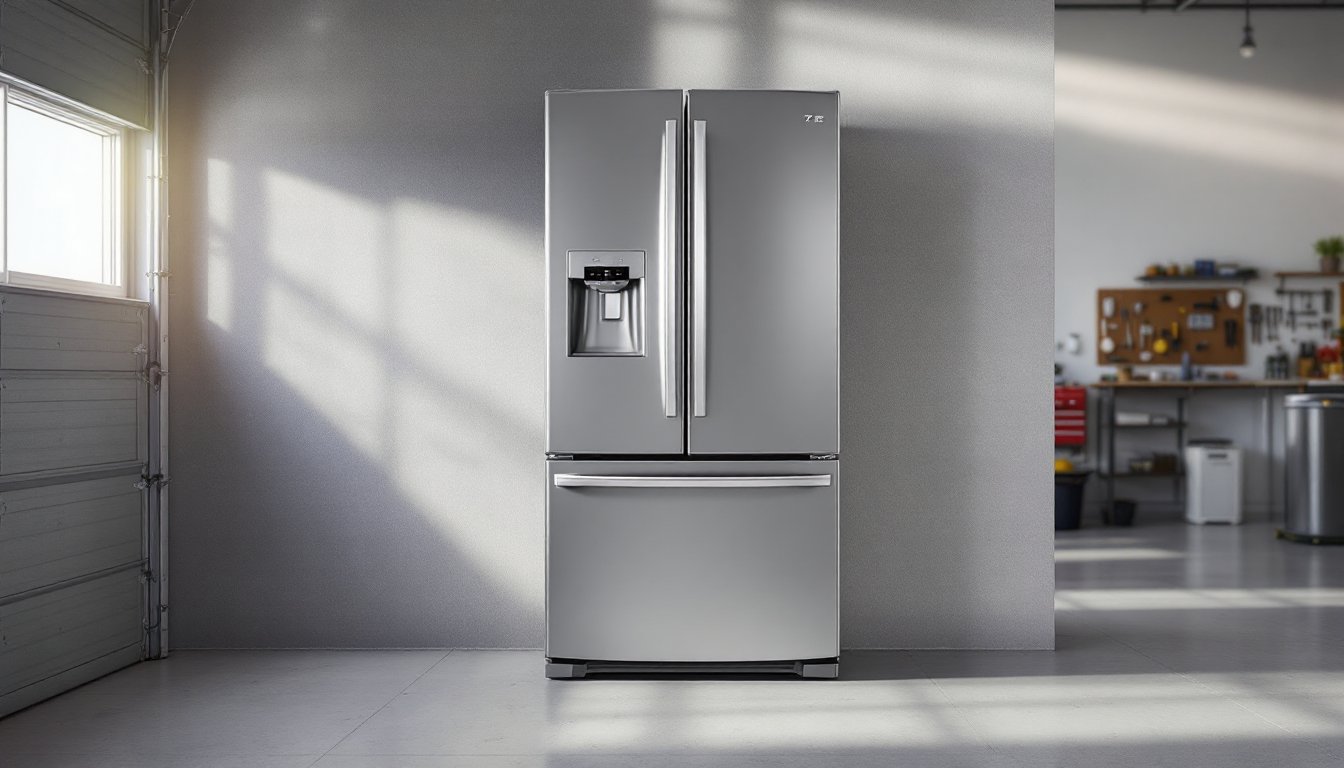
A standard refrigerator works great in a climate-controlled kitchen, but a garage is another story. Temperature swings, humidity, and dust can wreak havoc on conventional models, shortening their lifespan and forcing costly repairs. That’s where a Whirlpool garage ready refrigerator comes in, specifically engineered to handle the demanding conditions of garages, basements, and workshops. Whether you’re stocking extra groceries, running a home business, or simply need overflow space, a garage-ready unit keeps food safe and fresh without the performance issues that plague regular refrigerators in uncontrolled spaces. This guide walks you through what makes these units special and how to install one that’ll work reliably for years.
Table of Contents
ToggleKey Takeaways
- A Whirlpool garage ready refrigerator features built-in heater strips and upgraded insulation to maintain consistent food temperatures (35°F–38°F) despite extreme garage temperature swings from below freezing to over 100°F.
- Garage-ready units consume 30–50% less energy than standard refrigerators struggling in uncontrolled spaces, delivering lower utility bills and faster payback over a 10-year lifespan.
- Proper installation requires 2–3 inches of clearance on sides and back for air circulation, a level surface with a slight forward tilt, and 4–6 hours of settling time if the unit was tilted during delivery.
- Whirlpool’s widespread parts availability and authorized service network provide accessible repairs when garage conditions cause issues, unlike obscure or proprietary alternatives.
- When stocking your garage refrigerator, add items gradually, avoid blocking vents, and organize with heavier items on the bottom to ensure even air circulation and prevent food spoilage.
What Makes a Refrigerator “Garage Ready”?
Key Features and Temperature Flexibility
A garage ready refrigerator isn’t just a regular fridge tossed into a storage room. The key difference lies in its heating elements and insulation design. Standard refrigerators assume your kitchen stays between 60°F and 80°F year-round. In a garage, temperatures can drop below freezing in winter or soar above 100°F in summer, conditions that confuse a normal thermostat and cause the compressor to cycle incorrectly.
Garage ready models feature a heater strip (a heating element embedded in the cabinet wall) that activates when the ambient temperature dips. This prevents condensation buildup and keeps the refrigerant flowing smoothly even in cold conditions. Products like the Whirlpool garage refrigerator series also upgrade their insulation and sealing to combat temperature extremes.
These units maintain safe food storage temperatures, typically 35°F to 38°F for fresh food compartments, regardless of whether your garage hits 20°F or 95°F. That consistent cooling performance is the real value proposition, not fancy electronics. You’re paying for reliability under stress.
Why Whirlpool Garage Ready Refrigerators Stand Out
Durability and Climate Adaptability
Whirlpool has been refining appliance durability for decades, and their garage ready line reflects that expertise. Their compressors are engineered to handle temperature swings without straining, and their sealing systems resist the dust and humidity that garage environments throw at them. The cabinet construction uses thicker insulation and better moisture barriers than standard units.
One major advantage: parts availability and service support. If something fails, you’re not hunting for obscure components or proprietary repair techs. Whirlpool’s distribution network and authorized service centers are widespread, which matters when you’re dealing with a garage unit in February.
Energy Efficiency and Practical Design
Countintuitively, upgrading to a purpose-built garage unit often reduces energy costs compared to a standard refrigerator struggling in the same space. A regular fridge fighting extreme temperatures has to run its compressor longer and harder, consuming 30–50% more power. A garage ready unit’s heater element uses minimal energy and only activates when needed.
The Whirlpool garage refrigerator models also feature energy-efficient compressors that meet ENERGY STAR standards. Insulation upgrades mean the unit doesn’t have to work as hard to maintain temperature. Over a 10-year lifespan, that difference adds up, you’ll see it on your electric bill.
Design-wise, these units are refreshingly honest. You won’t find touch screens or ice makers (though some models offer optional icemakers). They prioritize sturdy shelving, easy-access drawers, and straightforward controls. The stainless steel or painted finishes resist dust and fingerprints, making them low-maintenance for workshop environments.
Installation and Setup Guide for Your Garage
Space Planning and Placement Considerations
Before you order, measure your garage opening, doorway, and the spot where the unit will live. Most Whirlpool garage ready models run between 28 and 36 inches wide and 60–70 inches tall. Unlike a kitchen recess, you’ll often set it against a wall, so allow at least 2–3 inches of clearance on the sides and back for air circulation. The compressor needs space to breathe, or it’ll overheat.
Choose a location away from direct sunlight and heat sources. A shaded corner is ideal: full sun through a garage window can force the compressor to run constantly. Avoid spots near water heaters, furnaces, or space heaters, temperature consistency is your goal.
Declutter the area before delivery. You’ll want a clean, level surface, ideally a concrete pad, not bare soil or gravel. Check that the delivery crew can get the unit into the garage without tilting it excessively during transport. Tilting can trap refrigerant in the oil pan, which damages the compressor if the unit runs before the oil drains back. If your delivery involved tilting, let the unit sit unplugged for 4–6 hours before plugging it in.
Once in place, level the unit front-to-back using a bubble level. Most refrigerators have adjustable feet at the front corners. A slight forward tilt (about ¼ inch from front to back) helps drain condensation. Don’t skip this step, a tilted fridge will work unevenly and produce odd noises.
Allow the unit to acclimate for several hours before plugging it in, especially if you transported it in freezing weather. Cold refrigerant and oil need time to settle. Then, plug it in, set the thermostat to the middle setting (usually marked 4 or 5 on a 1–7 scale), and let it run empty for 30 minutes. Check that the heater element activates, you’ll feel warmth along the sides of the cabinet if the room is cool. This confirms the garage-ready features are working.
Some models include a tested appliance recommendations resource for configuration options. If yours has adjustable shelving or optional features, configure them now before stocking. Secure loose shelves and drawers so they don’t shift during operation. Keep the manual handy, garage environments mean you might need to troubleshoot temperature swings or occasionally adjust the thermostat.
Stock your Whirlpool garage refrigerator gradually over the first week, monitoring temperature stability. If you’re using it for bulk storage, lots of cold beverages, bulk produce, or holiday overflow, organize items so air circulates evenly. Block the vents, and you’ll create dead zones where food spoils or freezes unevenly. Leave the top shelf lighter and bottom heavier to promote natural convection.