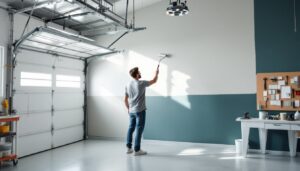
Whether you’re a serious woodworker, a DIY enthusiast working on an ongoing renovation, or someone who just needs dedicated space for projects, finding a workshop garage for rent near you can be a game-changer. Owning a home doesn’t always mean you have the square footage or layout for a proper workshop, and renting a garage space offers flexibility without the commitment of building an addition or converting your existing garage. A rental workshop gives you climate control, security, and room to spread out without crowding your home. This guide walks you through finding, evaluating, and making the most of a rental garage workspace in 2026.
Table of Contents
ToggleKey Takeaways
- A workshop garage for rent near you offers climate-controlled, secure space without the cost or commitment of building a garage addition, making it ideal for DIY enthusiasts and serious hobbyists.
- Search for rental workshop spaces on platforms like Craigslist, Facebook Marketplace, Peerspace, and Neighbor, as well as local storage facilities and real estate agents who may know of available garage bays.
- Before committing, verify electrical capacity (100–200 amps minimum with 220V circuits), zoning compliance, liability insurance requirements, 24/7 access options, and security features to protect your tools and projects.
- Prioritize climate control, proper lighting, ventilation, workbenches, and sealed concrete flooring when evaluating a rental workshop garage—these features directly impact project quality and tool longevity.
- Monthly rental costs typically range from $150–$500 for small garage bays, plus $30–$100 for utilities, making it substantially cheaper than the $15,000–$30,000 cost of a garage conversion.
- Organize your rental space into distinct zones for work, storage, and finishing, invest in a quality workbench, maintain regular safety protocols, and follow lease terms to ensure a productive and stress-free workspace.
Why Renting a Workshop Garage Makes Sense for DIY Enthusiasts
Renting a workshop garage offers practical advantages over crowding projects into a home garage or shed. You get dedicated, climate-controlled space without your own real estate investment, a significant benefit if you live in an apartment, condo, or a house with limited garage space. The monthly rental cost is predictable and typically cheaper than the time and money spent on a full garage conversion.
For serious hobbyists, a rental garage keeps noise, dust, and sawdust away from living areas. Your tools stay organized and secure, and you’re not competing with car parking or seasonal storage. This separation also makes it easier to work on longer projects without disrupting household routines. Many renters find that having a dedicated workspace improves both project quality and personal work-life balance, you clock in, focus, and clock out.
Beyond the personal side, renting is lower-risk. If your hobby needs change or you relocate, you’re not locked into a property improvement. And if you’re experimenting with new skills (woodworking, metalworking, auto repair), you’re testing your commitment before investing thousands in tools and equipment.
How to Search for Workshop Garage Rentals Near You
Online Platforms and Local Resources
Start your search with dedicated listing platforms. Craigslist’s tools section, Facebook Marketplace, and local community groups often list garage spaces. Specialized sites like Peerspace, Neighbor, and Fat Llama connect property owners with people seeking short- or long-term workshop space. Search terms like “workshop garage for rent near me,” “garage studio space,” or “tool workshop rental” will narrow results.
Local storage facilities sometimes lease climate-controlled garage bays at monthly rates. Call around to self-storage operators in your area and ask about workshop-specific units with 220V power or reinforced flooring. Real estate agents in your market may know of investment property owners willing to rent garage space separately from the main house.
Don’t skip word-of-mouth. Post in local maker spaces, tool libraries, or community boards at hardware stores asking if anyone knows of available garage space. Your city or county might also list small-business incubators or shared workshop facilities. A Garage Conversions Guide can also give you ideas about what converted spaces look like, helping you know what features matter most in a rental.
When you find listings, look for photos or virtual tours showing floor space, power outlets, ceiling height, and any included amenities (workbench, shelving, utilities). Ask about lease terms, cancellation policies, and whether the landlord allows 24/7 access or has restricted hours.
Questions to Ask Before Committing to a Rental
Before signing, clarify the practical details. Ask whether utilities (water, power, heat) are included in the rent, and if there are per-kilowatt surcharges for heavy tool use. Confirm electrical capacity: most modern workshops need at least 100–200 amps and 220V circuits for welders, air compressors, or large machinery. A standard household outlet won’t support serious woodworking equipment.
Understand zoning and liability. Is the property zoned for workshop or manufacturing use? Some residential landlords prohibit certain activities (welding, spraying, commercial sales). Ask whether the owner carries liability insurance and if you need to provide your own coverage. Many landlords now require renters to carry business liability insurance, which typically costs $20–40 monthly.
Dig into access and security. Can you access the space 24/7, or are there restricted hours? Is there secure locking, alarm systems, or camera coverage? Will your tools be safe, especially if the building houses other tenants? What’s the protocol if an emergency (fire, theft) occurs?
Also ask about the condition of flooring, walls, and roof. A cracked concrete floor or roof leaks will damage tools and materials. Check what’s included: workbenches, shelving, compressed air lines, water access. And confirm the landlord’s policy on modifications, some won’t allow you to hang heavy toolboards or shelving.
Essential Features and Amenities to Look For
A functional workshop needs more than just walls and a roof. First, prioritize climate control. Temperature swings and humidity damage tools, wood projects, and finishes. Look for insulation, heating, and cooling (even modest AC or a dehumidifier makes a difference). Workbenches and built-in storage save you from bringing everything from home, though be prepared to invest in your own if they’re not included.
Electrical is non-negotiable. Count the number and type of outlets. You’ll need multiple circuits, ideally at least two 20-amp circuits per zone, and 240V service if you’re running power tools or welding equipment. A panel with breakers is safer than daisy-chained extension cords. Also check the quality of the concrete floor, it should be level, sealed, and free of large cracks. Cracked or uneven flooring is a trip hazard and complicates moving equipment.
Lighting matters more than you’d think. Dim spaces lead to mistakes and eye strain. Look for overhead fluorescent or LED fixtures, and plan to add task lighting over your workbench. Windows or skylights provide natural light and reduce mold risk in humid climates. Ventilation is critical if you’re finishing wood, spray-painting, or running a generator, poor ventilation traps fumes and leads to health problems.
Air tools and compressed air, if available, are a bonus. If not, budgeting for a portable air compressor is worth considering. Some renters appreciate workshops with a small office nook or lockable storage cabinet for small parts, documentation, or a mini-fridge. And honestly, a bathroom nearby is less luxury and more practical, you don’t want to leave your workspace every time.
Cost Considerations and Budgeting Tips
Workshop garage rental prices vary wildly by region, space size, and amenities. In most U.S. markets, you’ll see prices ranging from $150–$500+ monthly for a small garage bay (250–500 sq ft). Urban areas and premium facilities with 220V, compressed air, or included tools run higher. Rural areas might offer cheaper options, though fewer choices.
Budget for hidden costs beyond rent. Utilities, especially if you’re using power tools daily or heating/cooling, might add $30–$100 monthly. Some landlords charge setup or deposit fees ($100–$300). If you need business liability insurance, that’s another $20–$40 monthly. Factor in occasional maintenance costs for door locks, pest control, or repairs you’re responsible for under the lease.
Compare long-term value. A $200/month workspace costs $2,400 yearly, still much cheaper than a garage conversion (which can run $15,000–$30,000+) or buying property with a larger garage. If you’re testing a new hobby, renting lets you validate the investment before committing.
Negotiate if possible. Some landlords offer discounts for longer leases (6–12 months) or off-peak rentals (winter in cold climates, spring/summer in hot ones). Bundle utilities or ask if they’ll waive fees for renters who sign extended agreements. It never hurts to ask about package deals, especially if you know other DIY enthusiasts looking for space. When estimating projects, tools referenced in Essential Garage Conversion Tools might be ones you already own or need to acquire, factor this into your overall budget.
Making the Most of Your Rental Workshop Space
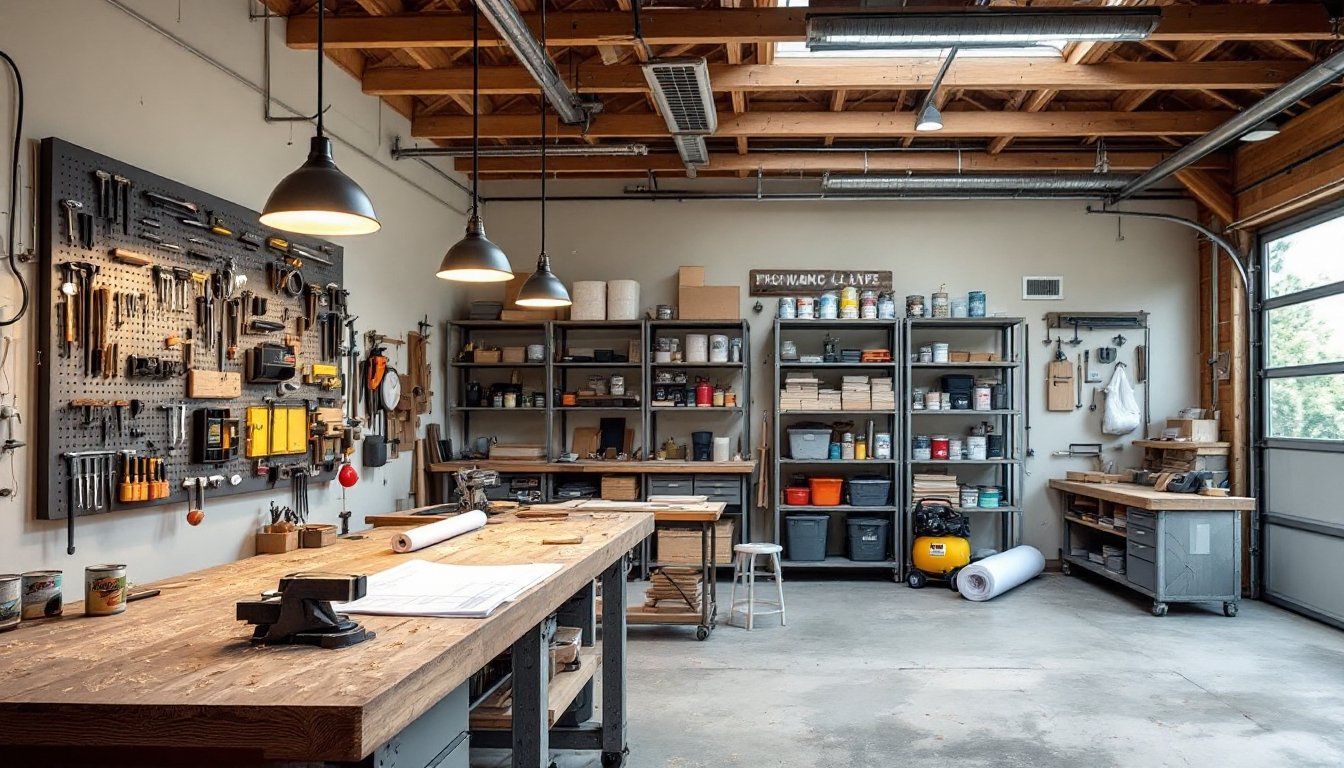
Once you’ve signed the lease, organize strategically. Divide the space into zones: a work area, a storage area for materials and tools, and if possible, a finishing or assembly zone separate from dust-heavy operations. Use wall-mounted pegboards, magnetic strips, and labeled containers to keep small parts and tools organized and accessible.
Invest in a sturdy workbench, it’s the heart of any workshop. A solid 4×8-foot surface with a vise and storage underneath costs $300–$800 new or $100–$400 used. Keep frequently used hand tools within arm’s reach. Store power tools on carts or shelves so they’re ready to grab, and maintain them regularly (sharp blades, clean vents, properly oiled mechanisms).
Respect the rental terms and your landlord. Keep the space clean and organized: document the initial condition with photos so you’re not blamed for existing damage. Follow all noise and hours restrictions, late-night power tool use in a shared building will end your lease quickly. Maintain your equipment to prevent leaks or fires that could damage the property.
Safety is ongoing. Keep a fire extinguisher rated for your most likely fire type (A for wood/paper, B for flammable liquids, C for electrical). Ensure proper ventilation when finishing or spraying, and wear appropriate PPE: eye protection, dust masks or respirators, hearing protection, and gloves as needed. Most Popular Mechanics guides on workshop safety emphasize this. A well-maintained rental is a stress-free rental, and a safe space is one you’ll actually enjoy using.