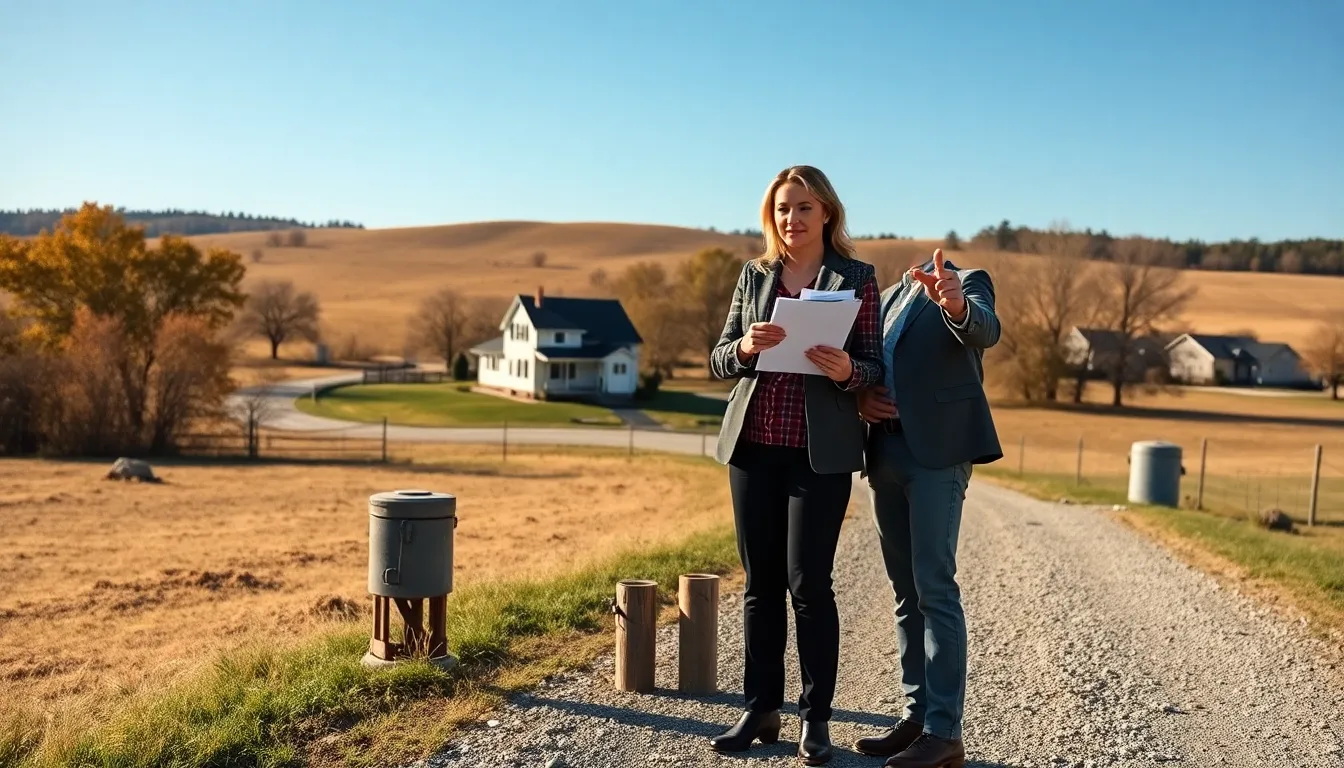
Rural housing options tips can make the difference between finding a dream property and making a costly mistake. Country living offers space, privacy, and a slower pace, but it also comes with unique challenges that city buyers rarely consider. From well water systems to septic tanks, from zoning laws to internet access, rural properties require a different approach than suburban homes.
This guide breaks down everything buyers need to know about purchasing rural property. Whether someone is looking for a small farmhouse, a large acreage, or a modest cabin retreat, these rural housing options tips will help them make informed decisions and avoid common pitfalls.
Table of Contents
ToggleKey Takeaways
- Rural housing options require evaluating factors like water sources, septic systems, and road access that suburban buyers rarely consider.
- USDA Rural Development loans and FSA loans offer flexible financing for buyers who don’t qualify for conventional mortgages on rural properties.
- Always conduct a professional land survey and percolation test before purchasing to avoid boundary disputes and septic system issues.
- Test internet and cell service on the property before buying, especially if you plan to work remotely from a rural location.
- Work with real estate agents, attorneys, and inspectors who specialize in rural properties to identify issues general professionals might miss.
- These rural housing options tips can save thousands of dollars by helping buyers understand the true costs of country living upfront.
Understanding the Rural Housing Market
The rural housing market operates differently than urban or suburban markets. Inventory tends to move slower, and properties often sit on the market for months rather than days. This gives buyers more time to evaluate options, but it also means fewer choices at any given moment.
Pricing in rural areas can be unpredictable. A property’s value depends heavily on factors like road access, water rights, and proximity to towns. Two similar-looking homes on comparable acreage might have vastly different prices based on these details.
Seasonality matters more in country real estate. Spring and summer typically bring more listings as sellers prepare properties for viewing. Winter months often see reduced activity, though motivated sellers may offer better deals during this period.
Buyers should also understand that rural housing options tips from urban-focused guides don’t always apply. Country properties require specialized knowledge about land use, agricultural zoning, and environmental regulations that vary significantly by region and state.
Key Factors to Consider When Choosing Rural Property
Location affects daily life more dramatically in rural settings. A 20-mile drive to the nearest grocery store feels different when roads are icy or unpaved. Buyers should drive the route to their potential property during different times and weather conditions before committing.
Land quality matters beyond aesthetics. Soil composition affects everything from gardening potential to septic system placement. A percolation test reveals whether the land can support a septic system, a critical detail that can make or break a purchase.
Property boundaries deserve careful attention. Rural parcels often have unclear or disputed boundaries. A professional survey costs a few hundred dollars but can prevent expensive legal battles later. Fence lines don’t always match legal property lines, and assumptions about boundary locations cause frequent disputes.
Zoning and land-use restrictions vary widely in rural areas. Some properties allow livestock: others don’t. Some permit home businesses or additional structures: others have strict limitations. Buyers should request zoning documentation and verify permitted uses before making offers.
These rural housing options tips about property selection can save thousands of dollars and years of frustration. Taking time upfront to investigate these factors pays off significantly.
Financing Options for Rural Homes
Rural properties often don’t qualify for conventional mortgages. Lenders view large acreages, homes with outbuildings, or properties without public utilities as higher-risk investments. This creates financing challenges but also opens alternative options.
USDA Rural Development loans offer zero-down-payment financing for eligible buyers in designated rural areas. Income limits apply, but many middle-class families qualify. These loans cover single-family homes and can include closing costs in the financing.
Farm Service Agency (FSA) loans help buyers purchase working farms or properties with agricultural potential. These government-backed loans offer favorable terms and can finance land, equipment, and structures together.
Local banks and credit unions often understand rural properties better than national lenders. They may offer portfolio loans with flexible terms for properties that don’t fit conventional guidelines. Building relationships with these institutions can open doors that online lenders won’t.
Seller financing remains common in rural real estate. Property owners sometimes prefer to act as the bank, collecting monthly payments with interest. This arrangement benefits buyers who struggle with traditional financing and sellers who want steady income.
Understanding these rural housing options tips about financing helps buyers approach the purchase process with realistic expectations and multiple backup plans.
Essential Infrastructure and Utility Considerations
Water sources require immediate attention on rural properties. Municipal water rarely extends to country locations. Private wells provide most rural water, and their condition directly affects property value and livability. Buyers should request well inspection reports showing flow rate, water quality, and equipment condition.
Septic systems handle waste on properties without sewer connections. These systems need regular pumping and occasional repairs. Age, capacity, and maintenance history all affect performance. A failing septic system can cost $10,000 to $30,000 to replace.
Electricity access varies in rural areas. Some properties connect to the grid: others rely on solar panels, generators, or a combination. Buyers should verify electrical service capacity and condition. Upgrading electrical systems in remote locations can be expensive.
Internet and cell service present ongoing challenges in country settings. Many rural areas lack high-speed internet options. Satellite internet has improved but still has limitations. Buyers who work remotely should test connectivity before purchasing. Starlink and similar services have expanded options, but availability and performance depend on location.
Road access and maintenance affect daily life and property value. Private roads require maintenance agreements with neighbors. Unpaved roads may become impassable during certain seasons. These rural housing options tips about infrastructure help buyers understand the true cost of country living.
Working With Local Real Estate Professionals
Rural real estate requires specialized knowledge that general agents may lack. Agents who focus on country properties understand land values, agricultural considerations, and the unique challenges of rural transactions.
Look for agents with designations like Accredited Land Consultant (ALC) or experience selling farms and ranches. These professionals know how to evaluate acreage, assess water rights, and identify potential issues that suburban agents might miss.
Local attorneys familiar with rural property law can protect buyers from common problems. They understand easements, mineral rights, and land-use regulations specific to the area. Their fees typically range from $500 to $1,500 for a standard closing review.
Home inspectors with rural experience know what to check beyond standard inspection items. They understand well systems, septic tanks, outbuildings, and other features uncommon in urban properties. General inspectors may overlook critical issues.
Building relationships with local contractors, well drillers, and septic professionals before closing helps buyers plan for future maintenance. These connections prove valuable for years after the purchase.
Following these rural housing options tips about professional guidance helps buyers avoid expensive mistakes and builds a support network for ongoing property maintenance.