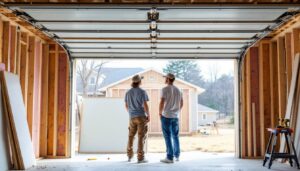
Rural housing options trends 2026 point to a significant shift in where and how Americans choose to live. Remote work flexibility, rising urban costs, and a growing desire for space continue to push buyers toward countryside properties. This year promises fresh developments in home construction, technology access, and financing that will reshape rural real estate markets.
Whether someone seeks a peaceful retreat or an affordable family home, rural areas now offer more viable choices than ever before. The following sections break down the key factors shaping rural housing options trends 2026, from demographic changes to infrastructure upgrades that make country living more practical.
Table of Contents
ToggleKey Takeaways
- Rural housing options trends 2026 are driven by remote work flexibility, rising urban costs, and growing demand from millennials, Gen Z, and retirees seeking affordable space.
- Modular homes, barndominiums, and sustainable building practices are reducing construction costs while offering modern, customizable designs for rural buyers.
- Satellite internet providers like Starlink and expanding fiber optic networks have removed major connectivity barriers, making rural properties viable for remote workers.
- USDA loans with no down payment requirements remain a top financing option, and rural homes cost roughly 30% less than comparable suburban properties.
- Communities investing in amenities like healthcare, broadband, and EV charging infrastructure are attracting the most new residents and seeing property value increases.
- First-time buyers can take advantage of state programs offering down payment assistance and reduced-rate mortgages specifically designed for rural areas.
Shifting Demographics Driving Rural Demand
The makeup of rural homebuyers is changing fast. Millennials and Gen Z now represent a larger share of rural housing demand than in previous decades. Many work remotely and no longer need to live near city offices. They want larger properties, outdoor space, and lower living costs.
Retirees also fuel rural housing options trends 2026. Baby boomers continue selling suburban homes and moving to quieter areas. They prioritize single-story layouts, accessible features, and proximity to healthcare facilities. Rural communities that offer medical services see increased interest from this demographic.
Families with children represent another growing segment. School quality matters to these buyers, and several rural districts have improved their rankings. The combination of affordable homes and strong schools makes certain rural counties attractive to young parents.
Urban transplants bring new expectations with them. They want coffee shops, grocery stores, and reliable internet within reasonable driving distance. Towns that invest in these amenities attract more newcomers. This creates a feedback loop, more residents mean more services, which attract even more residents.
Some rural areas struggle with this influx. Long-time residents worry about rising property taxes and changing community character. Local governments must balance growth with preservation. The most successful rural housing markets find ways to welcome newcomers while respecting established residents.
Emerging Home Styles and Construction Methods
Rural housing options trends 2026 include new construction approaches that reduce costs and build times. Modular homes gain popularity in rural markets. Factories produce these homes in sections, then transport them to building sites. The process typically costs 10-20% less than traditional stick-built construction.
Prefabricated homes have shed their outdated reputation. Modern designs include open floor plans, energy-efficient windows, and customizable finishes. Buyers can choose layouts that fit their land and lifestyle. Many modular homes now look indistinguishable from site-built houses.
Barndominium-style homes remain popular in rural areas. These structures combine living space with workshop or storage areas. They work well for hobby farmers, small business owners, and anyone who needs flexible space. Metal construction keeps costs down and maintenance simple.
Tiny homes and accessory dwelling units (ADUs) serve specific rural housing needs. Some counties have relaxed zoning rules to allow these smaller structures. They provide affordable entry points for first-time buyers or housing for multi-generational families on shared land.
Sustainable building practices influence rural housing options trends 2026. Solar panels, geothermal heating, and rainwater collection systems appear in more rural home listings. These features reduce utility costs, a major consideration when properties sit far from town services. Some builders specialize in net-zero rural homes that produce as much energy as they consume.
Materials and Labor Considerations
Rural construction faces unique challenges. Lumber and material delivery costs run higher in remote locations. Finding skilled labor proves difficult in areas with small populations. Some builders address this by training local workers or bringing crews from nearby cities.
3D-printed homes may soon change this equation. Several companies test concrete printing technology for rural applications. These machines could reduce labor needs and speed construction timelines significantly.
Technology and Infrastructure Improvements
Internet access shapes rural housing options trends 2026 more than almost any other factor. Buyers who work remotely need reliable high-speed connections. Without good internet, many properties remain unsellable to this demographic.
Starlink and other satellite internet providers have changed the game. Rural homes that once had no broadband options now access speeds suitable for video calls and cloud applications. This technology removes a major barrier to rural living for remote workers.
Fiber optic expansion reaches more rural communities each year. Federal infrastructure funding supports these buildouts. Properties along new fiber routes often see immediate value increases. Smart buyers research planned infrastructure projects before purchasing rural land.
Cellular coverage also improves through new tower construction and signal-boosting technology. 5G networks extend further from urban centers. This matters for safety, convenience, and property values in rural areas.
Smart home technology adapts to rural settings. Security cameras, automated lighting, and climate control systems work on satellite connections. These features help rural homeowners monitor properties remotely, useful when the nearest neighbor lives miles away.
Electric Vehicle Infrastructure
EV adoption affects rural housing options trends 2026 in unexpected ways. Homes with EV charging capabilities appeal to environmentally conscious buyers. Rural properties with solar panels can charge vehicles at minimal cost.
But, public charging stations remain scarce in rural areas. This limits EV practicality for some rural residents. Communities that install public chargers may attract more buyers who want electric vehicles but need backup charging options.
Affordability and Financing Outlook
Rural housing options trends 2026 show continued affordability advantages over urban and suburban markets. The median rural home costs roughly 30% less than comparable suburban properties. This gap attracts budget-conscious buyers who can work from anywhere.
USDA loans remain a primary financing tool for rural homebuyers. These government-backed mortgages require no down payment for eligible buyers and properties. Income limits apply, but many middle-class families qualify. USDA loan programs cover homes in designated rural areas, often including towns closer to cities than buyers expect.
Conventional lenders have increased rural lending activity. As remote work becomes permanent for many jobs, banks see rural properties as less risky investments. Competition among lenders benefits buyers through better rates and terms.
Property taxes in rural counties typically run lower than urban equivalents. Combined with lower purchase prices, this creates significant monthly savings. But, buyers should factor in longer commutes, higher fuel costs, and potential well or septic maintenance.
Interest Rate Considerations
Mortgage rates in 2026 remain a key variable for rural housing options trends. Even modest rate changes significantly impact affordability. A 1% rate increase on a $250,000 loan adds roughly $150 to monthly payments.
Some buyers lock in rates early when shopping for rural land. Others wait for potential rate decreases. The Federal Reserve’s monetary policy decisions will influence rural housing affordability throughout the year.
First-time homebuyer programs exist specifically for rural areas. State housing authorities offer down payment assistance and reduced-rate mortgages. These programs help younger buyers enter rural markets even though student debt or limited savings.