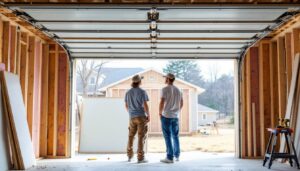
Rural housing options offer a distinct lifestyle that attracts thousands of buyers each year. From sprawling farmhouses to cozy cabins, country properties provide space, privacy, and a slower pace of life. The shift toward remote work has made rural living more practical than ever before. Many families now choose to trade city apartments for acreage and open skies.
This guide covers the main types of rural homes, financing programs, and practical factors buyers should consider. Whether someone seeks a weekend retreat or a permanent homestead, understanding rural housing options helps make informed decisions.
Table of Contents
ToggleKey Takeaways
- Rural housing options include farmhouses, manufactured homes, cabins, working ranches, and off-grid properties—each suited to different budgets and lifestyles.
- USDA Rural Development Loans offer zero-down-payment financing for eligible buyers in qualifying rural areas.
- Before buying rural property, test water quality, inspect septic systems, and verify road access and utility availability.
- Rural living typically offers lower costs per square foot, reduced property taxes, and greater privacy compared to urban areas.
- Buyers should research local zoning laws, insurance requirements, and distance to essential services before committing to rural housing options.
Types of Rural Homes Available
Rural housing options come in several distinct categories. Each type serves different needs, budgets, and lifestyle preferences.
Single-Family Farmhouses
Traditional farmhouses remain the most popular rural housing option. These homes typically sit on several acres and often include outbuildings like barns or workshops. Many farmhouses date back decades, featuring classic architecture and established landscaping. Newer builds offer modern amenities while maintaining country charm.
Manufactured and Modular Homes
Manufactured homes provide an affordable entry point into rural living. These factory-built structures cost significantly less than site-built homes. Modern manufactured homes meet strict HUD standards and offer comfortable living spaces. Modular homes, built in sections and assembled on-site, often qualify for traditional mortgages.
Cabins and Cottages
Smaller rural housing options like cabins appeal to buyers seeking simplicity. These properties work well as vacation homes or retirement retreats. Cabins range from basic structures to luxury log homes with full amenities.
Working Ranches and Farms
Buyers interested in agricultural pursuits can find properties with infrastructure for livestock or crops. These rural housing options include pastures, irrigation systems, and specialized buildings.
Off-Grid Properties
Some rural homes operate independently from utility connections. These properties use solar panels, wells, and septic systems. Off-grid living requires preparation but offers complete self-sufficiency.
Benefits of Living in Rural Areas
Rural housing options deliver advantages that urban properties simply cannot match.
Lower Cost of Living
Rural properties typically cost less per square foot than suburban or urban homes. Property taxes run lower in most rural counties. Land costs drop dramatically outside metropolitan areas. A family can often purchase acreage for what a small city lot would cost.
Space and Privacy
Rural housing options provide room to breathe. Neighbors live farther away. Residents can enjoy outdoor activities without crowded parks or shared spaces. Children and pets have safe areas to explore.
Connection to Nature
Country living puts residents closer to wildlife, forests, and natural landscapes. Many rural homeowners grow gardens, raise animals, or simply enjoy stargazing without light pollution.
Quieter Environment
Rural areas lack the constant noise of traffic, construction, and crowds. This peaceful setting reduces stress and improves quality of life for many residents.
Stronger Community Bonds
Smaller rural communities often foster close relationships between neighbors. Local events bring residents together. People tend to look out for each other.
Self-Sufficiency Opportunities
Rural housing options allow residents to produce their own food, collect rainwater, and generate power. These capabilities appeal to those who value independence.
Financing Options for Rural Properties
Several loan programs specifically support rural housing options. Buyers should explore all available choices.
USDA Rural Development Loans
The U.S. Department of Agriculture offers zero-down-payment loans for eligible rural areas. These loans help low-to-moderate income buyers purchase homes. USDA loans feature competitive interest rates and reduced mortgage insurance costs. Properties must meet location requirements, typically outside cities with populations over 35,000.
Conventional Mortgages
Standard conventional loans work for many rural housing options. Lenders may require larger down payments for properties with significant acreage. Buyers with strong credit scores often secure favorable terms.
FHA Loans
Federal Housing Administration loans accept lower down payments and credit scores. These loans work for rural properties that meet FHA standards. Some rural homes may need repairs to qualify.
VA Loans
Veterans and active military members can use VA loans for rural housing options. These loans require no down payment and offer competitive rates. The property must serve as a primary residence.
Farm Service Agency Loans
Buyers interested in agricultural properties can access FSA direct and guaranteed loans. These programs help beginning farmers purchase land and build homes.
Land Loans and Construction Financing
Buying raw land requires specialized financing. Land loans typically carry higher interest rates and shorter terms. Buyers planning to build should explore construction-to-permanent loans.
Key Considerations Before Buying Rural Property
Rural housing options require careful evaluation beyond standard home-buying factors.
Water and Septic Systems
Most rural homes use private wells and septic systems. Buyers should test water quality and inspect septic tanks before purchasing. Replacement costs for these systems run into thousands of dollars.
Road Access and Maintenance
Some rural properties sit on private roads. Owners may share maintenance responsibilities with neighbors. Unpaved roads can become difficult during winter or rainy seasons. Buyers should verify easements and access rights.
Utility Availability
Not all rural areas have natural gas, high-speed internet, or reliable cell service. Buyers should check what utilities reach the property. Alternative solutions like propane, satellite internet, or signal boosters may be necessary.
Distance to Services
Rural housing options mean longer drives to hospitals, schools, and grocery stores. Buyers should map out distances to essential services. Emergency response times also increase in remote locations.
Zoning and Land Use Restrictions
County zoning rules affect what owners can do with their property. Some areas restrict livestock, businesses, or certain structures. Buyers should research local regulations before purchasing.
Insurance Requirements
Rural homes may face higher insurance costs. Properties far from fire stations often require additional coverage. Flood zones and wildfire risk areas carry specific insurance requirements.
Future Development
Buyers should investigate planned developments nearby. A quiet rural area today could see growth within years. County planning offices provide information about zoning changes and proposed projects.