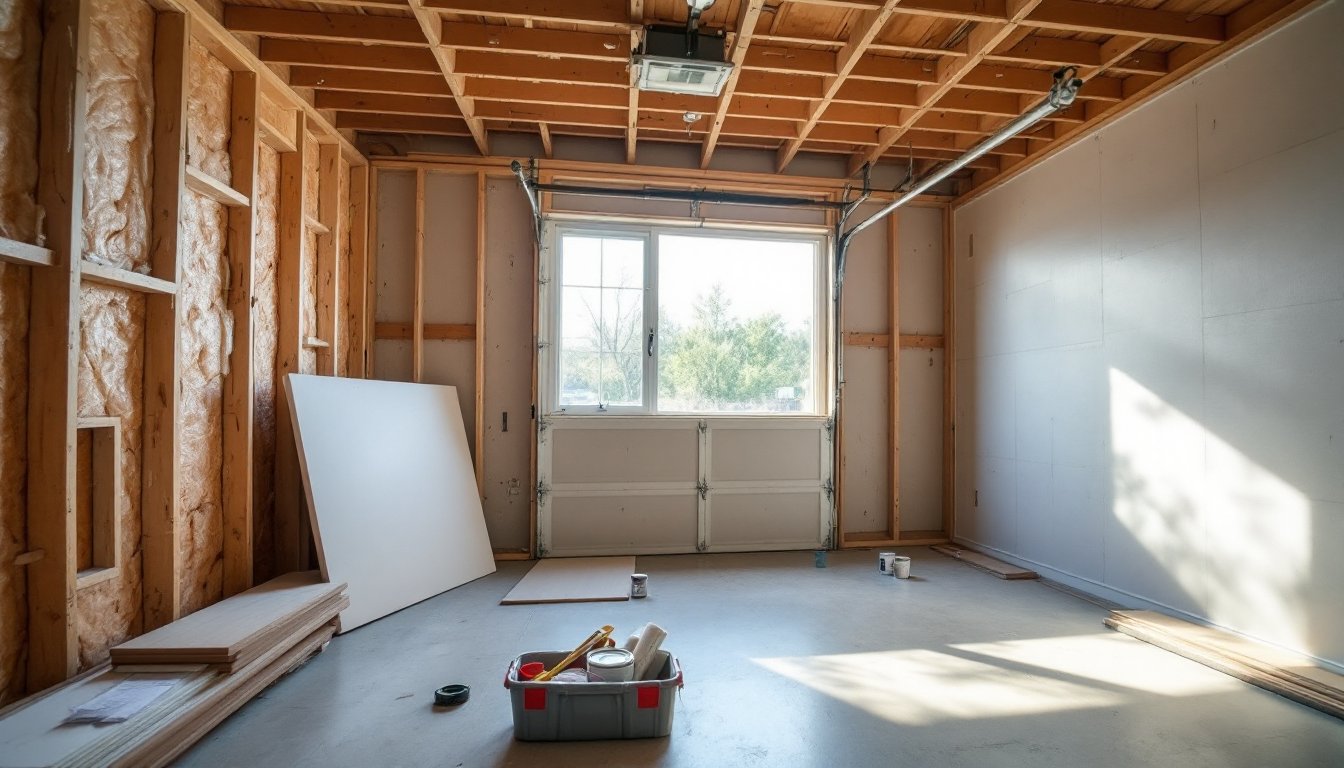
A garage sitting empty, or packed with decades of storage, represents untapped square footage that homeowners often overlook. Instead of leaving it as wasted space, a garage conversion transforms that unused area into a functional room that adds real value to your home. Whether you’re looking to create a dedicated workspace, guest bedroom, fitness area, or creative studio, the flexibility of a garage makes it an ideal candidate for renovation. Best part? A conversion typically costs less than building an addition and can be completed in weeks rather than months. Let’s explore seven practical conversion ideas that work for tight budgets and ambitious projects alike.
Table of Contents
ToggleKey Takeaways
- Small garage conversion ideas can transform underutilized space into a functional home office, guest bedroom, fitness area, or creative studio for less cost and time than building an addition.
- Proper insulation, climate control, electrical work, and flooring are foundational priorities for any garage conversion—cutting corners on these elements undermines comfort and long-term value.
- Guest bedroom and home gym conversions benefit most from HVAC upgrades like mini-split systems ($2,500–$4,500), while creative studios prioritize ventilation for dust and fumes.
- Budget-conscious conversions starting at $2,500–$5,000 are achievable with DIY labor, but habitable spaces and structural changes typically require permits and professional inspections to avoid fines and resale issues.
- Thoughtful layout planning, measuring before purchasing materials, and sourcing proper tools (drywall lift, stud finder) separate successful garage conversion projects from incomplete builds.
Home Office Or Creative Studio
A home office has become the default for remote workers and freelancers, and a garage offers a naturally isolated space that keeps work separate from living areas. Start by assessing insulation and climate control, garages are notoriously uninsulated, so adding fiberglass batts between wall studs and sealing gaps with weatherstripping is essential before finishing walls. Install drywall over existing studs (or new studs if walls are missing), then tape, mud, and sand for a finished look. Electrical is critical here: run new circuits to accommodate desk equipment, monitors, and lighting without overloading existing outlets. If you’re uncomfortable with electrical work, hire a licensed electrician, this isn’t a DIY shortcut situation.
Flooring matters for comfort during long work sessions. Polished concrete is budget-friendly and industrial-chic, but adds no warmth. Vinyl plank flooring (luxury vinyl plank or LVP) is affordable, durable, and installs directly over concrete with a moisture barrier underneath. Lighting should combine overhead fixtures with task lighting at the desk: inadequate light causes eye strain and kills productivity. A creative studio, painter, potter, or woodworker, has similar bones but benefits from extra ventilation for dust and fumes. Install a window AC unit or upgrade to a mini-split system if you’re serious about year-round comfort. Consider a door at the garage entry to fully separate your studio from the house.
Guest Bedroom Conversion
A guest bedroom offers genuine hospitality and rental income potential (Airbnb hosts take note). The foundation is the same as an office, insulation, drywall, and flooring, but you’ll also need to install a closet or wardrobe nook for visitor clothing. Framing a simple closet takes a weekend: build a 2×4 frame along one wall, add drywall, and hang a single-track sliding door or bifold doors. If your garage is attached, you’ll need to address the interior garage door opening: frame it out with studs and drywall, or keep it as an accent feature with a decorative panel.
Bedding and furniture determine whether the space feels cramped or welcoming. A queen mattress is standard for guest rooms, but measure your garage carefully, odd layouts might force a twin or full bed. Ensure the bed doesn’t block the only exit in case of emergency. Electrical outlets for phone charging and lamps are non-negotiable: if the existing outlet is inconveniently placed, run new circuits along walls before drywall goes up. Heating and cooling extend the usability dramatically: window units work, but ductless mini-splits ($2,500–$4,500 installed) offer quiet, year-round comfort. A small bathroom is the cherry on top, though plumbing additions can escalate costs significantly. If plumbing isn’t feasible, an ensuite powder room, just toilet and sink, is more achievable and still adds value.
Game Room Or Entertainment Space
Garage conversions thrive as game rooms because they tolerate noise, spills, and wear better than formal living spaces. A ping-pong table, darts, billiards, or arcade setup needs minimal prep, clean concrete flooring works fine, though an interlocking rubber mat system or epoxy coating improves comfort and looks. Existing concrete can be sealed and painted with garage-grade epoxy to handle foot traffic and dropped cues without cracking.
Lighting is everything in a game room. Overhead fluorescent fixtures cast harsh shadows across a pool table: upgrade to recessed LED fixtures or suspended industrial pendants that spread light evenly. Add a dimmer switch to adjust mood without sacrificing visibility during play. Wall finish is flexible, you can leave exposed studs and paint them dark, install beadboard for texture, or frame out drywall for a polished look. Ventilation prevents the space from feeling like a cave: a ceiling fan and operable window help, though air conditioning keeps people comfortable during extended sessions. Insulation is optional here unless you’re concerned about noise traveling into the house, acoustic foam panels behind a TV wall or in corners control sound without full insulation.
Home Gym And Fitness Studio
A home gym thrives in garage space because concrete flooring can handle dropped weights, equipment vibration, and moisture from sweat. The floor is your first investment: vinyl interlocking rubber mats ($1–$3 per square foot) protect concrete while deadening noise. Ensure adequate ceiling height, most garages are 8 to 9 feet tall, which works for dumbbells and cable machines but is tight for overhead press work or pull-up bars. Measure twice and account for thick rubber flooring underlayment, which eats an inch or so of headroom.
Ventilation and climate control are non-negotiable. A person working out in a sealed garage can quickly overheat or create an unpleasant humidity situation. Install an exhaust fan rated for your square footage (roughly 1 CFM per square foot, per building codes) and ensure it vents outside, not into your attic. A ceiling fan provides additional air circulation for budget ($100–$200). Humidity control matters too, seal any garage doors or cracks, and consider a small dehumidifier if your region is damp. Electrical needs are minimal (outlet for lights and a speaker), but good lighting prevents injuries during training. Overhead LED shop lights are affordable and reliable.
Budget-Friendly Setup Tips
Start lean: buy one or two key pieces (adjustable dumbbells, a bench, a pull-up bar) instead of a full rack. Used equipment is plentiful on Facebook Marketplace and Craigslist, dumbbells, resistance bands, and rowing machines depreciate quickly but hold value functionally. Wall-mounted storage keeps the space organized and prevents tripping hazards. Mirrors reflect light and create a sense of spaciousness: lean a 4×8 mirror panel against one wall or mount them directly to studs. Flooring and mirrors together cost under $500 for a 400-square-foot space, leaving budget for equipment over time.
Art Studio Or Hobby Workshop
Painters, woodworkers, ceramicists, and crafters benefit immensely from dedicated studio space, and a garage’s concrete floor handles dust, spills, and tool racks without complaint. Unlike a living space, a hobby workshop can remain partially unfinished, exposed studs, bare walls, and industrial surfaces are features, not flaws. Ensure adequate ventilation for sawdust (woodworking), fumes (painting, staining), or clay dust (ceramics). A dust collector ($200–$800) handles woodworking spray, while a pegboard wall system keeps tools organized and accessible.
Lighting should be bright and shadow-free: LED shop lights or full-spectrum floodlights cost under $300 for a 400-square-foot space. Water access is crucial for artists, even a simple utility sink ($300–$600 installed) is transformative compared to running to the house kitchen. If plumbing is prohibitive, a large utility cart with buckets or a water cooler setup works temporarily. Flooring remains sealed concrete or matte epoxy: slippery finishes cause accidents around tools. Soundproofing isn’t critical, but if you plan to run a planer, CNC, or kiln, insulation between the garage and house reduces noise complaints from neighbors and family.
Planning Your Garage Conversion Project
Before swinging a hammer, confirm whether your conversion requires permits. Structural changes (removing the garage door opening, adding electrical circuits), habitable spaces (bedrooms, guest rooms), or plumbing typically require permits and inspections. Check your local building department, many jurisdictions exempt minor interior finishing (drywall, flooring) but mandate permits for insulation and HVAC additions in habitable rooms. Skipping permits risks fines, insurance claim denials, and resale complications.
Budget across five categories: structural prep (insulation, drywall, flooring), HVAC and ventilation, electrical, plumbing (if applicable), and finishes. A basic office or game room runs $2,500–$5,000 with DIY labor. A climate-controlled guest bedroom jumps to $8,000–$15,000 once you factor in HVAC and basic bathroom plumbing. External links like ImproveNet offers contractor cost guides and Bob Vila provides detailed DIY project breakdowns to refine estimates for your region and scope. Interior design inspiration is plentiful, Apartment Therapy showcases small-space conversions that spark creative layouts.
Measure carefully and plan the layout before purchasing materials. A cramped bedroom or office wastes the conversion investment. Sketch electrical outlet locations (you’ll need at least one outlet every 6 feet per code), HVAC ductwork paths, and furniture placement. Recruit a helper for drywall installation and insulation, these tasks are physically demanding and dangerous solo. Finally, source the right tools: a drywall lift ($20–$40 rental), a miter saw for trim work, and a stud finder prevent frustration and rework. Top garage conversions showcase thoughtful planning that separates successful projects from half-finished headaches.