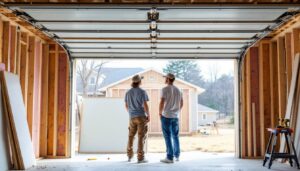
Rural housing options offer affordable paths to homeownership and rental assistance for families living in less populated areas. These programs help millions of Americans access safe, decent housing outside major cities. The U.S. Department of Agriculture (USDA) runs most rural housing programs, providing loans, grants, and rental subsidies to eligible applicants.
Whether someone dreams of owning a farmhouse or needs affordable rent in a small town, rural housing options can make that possible. This guide explains the main programs, eligibility rules, and application steps for anyone interested in country living.
Table of Contents
ToggleKey Takeaways
- Rural housing options through USDA programs offer 100% financing with no down payment required for eligible buyers.
- USDA defines “rural” as areas with populations under 35,000, and some suburban areas also qualify.
- Section 502 Direct Loans provide interest rates as low as 1% for low-income applicants, while Guaranteed Loans serve moderate-income buyers through private lenders.
- Rental assistance programs like Section 521 cap tenant payments at 30% of adjusted income, covering the difference with subsidies.
- Income limits vary by location and household size, so applicants should verify eligibility on the USDA website before applying.
- Rural housing options benefit those who value affordability, flexible credit requirements, and more living space outside major cities.
Understanding Rural Housing Programs
Rural housing programs exist to address a specific problem: housing costs and access in areas where traditional lenders often won’t invest. Banks sometimes view rural properties as risky because of lower property values and smaller populations. This leaves many rural residents with few options.
The USDA created rural housing options to fill this gap. These programs fall under USDA Rural Development, a branch dedicated to improving life in rural America. The agency offers three main types of assistance:
- Direct loans from the government at low interest rates
- Guaranteed loans through private lenders with USDA backing
- Rental assistance for low-income tenants
Rural housing options serve people who might otherwise struggle to afford homes. The programs target low and moderate-income families, elderly residents, and people with disabilities. Unlike conventional mortgages, many rural housing options require no down payment.
The definition of “rural” matters here. USDA considers areas with populations under 35,000 as rural for most programs. Some suburban areas on the edges of cities also qualify. Applicants can check specific addresses on the USDA eligibility map before applying.
Types of Rural Housing Options Available
Several distinct rural housing options exist for different needs. Some help people buy homes. Others provide affordable rentals. Understanding each type helps applicants choose the right program.
USDA Rural Development Loans
USDA loans represent the most popular rural housing options for homebuyers. Two main loan programs exist:
Section 502 Direct Loans go to low and very-low-income applicants. The USDA itself provides these loans at interest rates as low as 1% with payment assistance. Borrowers can finance up to 100% of the home’s value, meaning no down payment. Repayment terms extend up to 38 years for qualifying applicants.
Section 502 Guaranteed Loans work differently. Private lenders issue these mortgages, but the USDA guarantees 90% of the loan. This guarantee reduces risk for lenders, so they offer better terms to borrowers. Guaranteed loans suit moderate-income buyers who earn too much for direct loans but still need help. These rural housing options also require no down payment.
Both programs cover single-family homes in eligible rural areas. The property must serve as the buyer’s primary residence.
Rental Assistance Programs
Not everyone wants to buy. Rural housing options also include rental programs for tenants.
Section 521 Rental Assistance subsidizes rent for low-income tenants in USDA-financed apartment complexes. Tenants pay 30% of their adjusted income toward rent. The program covers the difference between that amount and the actual rent.
Section 515 Rural Rental Housing provides loans to developers who build affordable apartment complexes in rural areas. These properties then offer reduced rents to qualifying tenants.
Farm Labor Housing assists seasonal and year-round farm workers. These rural housing options provide decent housing for agricultural employees who often face housing shortages.
Eligibility Requirements for Rural Housing
Each rural housing option has specific eligibility rules. But, most programs share common requirements.
Income limits apply to all programs. USDA sets these limits based on area median income and household size. For direct loans, applicants must earn below 80% of area median income. Guaranteed loans allow incomes up to 115% of area median income. Rental assistance targets the lowest earners.
Location requirements restrict where properties can be located. Buyers must purchase homes in USDA-designated rural areas. The USDA website offers an address lookup tool that confirms eligibility for specific properties.
Citizenship status matters for rural housing options. Applicants must be U.S. citizens, qualified aliens, or non-citizen nationals.
Credit history affects approval chances. Direct loans have flexible credit requirements since they target borrowers with limited options. Guaranteed loans typically require a credit score of 640 or higher, though some lenders accept lower scores.
Other requirements include:
- Applicants cannot own adequate housing elsewhere
- Buyers must demonstrate ability to repay the loan
- The property must meet minimum safety and quality standards
- Applicants cannot be suspended from federal programs
Income limits change yearly and vary by location. A family of four might qualify with $50,000 income in one county but not another. Checking current limits before applying saves time.
Benefits of Choosing Rural Housing
Rural housing options provide several advantages over conventional financing.
No down payment stands out as the biggest benefit. Most mortgages require 3% to 20% down. On a $200,000 home, that means $6,000 to $40,000 upfront. USDA loans eliminate this barrier entirely. Buyers can finance 100% of the purchase price.
Lower interest rates save money over time. Direct loans offer rates below market levels, sometimes as low as 1% with payment assistance. Even guaranteed loans typically offer competitive rates because the government backing reduces lender risk.
Flexible credit standards open doors for more buyers. People rebuilding credit after hardship can still access rural housing options. The direct loan program specifically helps applicants who can’t get credit elsewhere.
Lower cost of living often comes with rural areas themselves. Property taxes, insurance, and daily expenses typically cost less outside cities. Buyers stretch their dollars further.
More space appeals to many families. Rural properties often include larger lots, more square footage, and greater privacy than comparable urban homes.
Stronger communities characterize many rural areas. Residents often know their neighbors and participate in local activities. Some people find this connection missing in larger cities.
Rural housing options don’t suit everyone. Limited job markets, fewer amenities, and longer commutes can pose challenges. But for those who value affordability and space, these programs offer real opportunities.
How to Apply for Rural Housing Assistance
Applying for rural housing options involves several steps. Preparation makes the process smoother.
Step 1: Check eligibility first. Use the USDA eligibility site to verify income limits and property locations. This prevents wasted effort on ineligible applications.
Step 2: Gather documentation. Applicants need proof of income, tax returns, bank statements, and identification. Having these ready speeds up processing.
Step 3: Choose the right program. Income level determines which rural housing options fit best. Low-income applicants should explore direct loans. Moderate-income buyers typically use guaranteed loans.
Step 4: Find a lender or contact USDA directly. For guaranteed loans, applicants work with approved private lenders. Many banks and mortgage companies participate. For direct loans, applicants contact their local USDA Rural Development office.
Step 5: Complete the application. Direct loan applications go through USDA offices. Guaranteed loan applications follow the lender’s process with USDA review.
Step 6: Wait for approval. Processing times vary. Direct loans often take longer because of limited USDA staff. Guaranteed loans may close faster since private lenders handle most processing.
Step 7: Close on the property. Once approved, buyers complete the purchase like any other real estate transaction.
For rental assistance, tenants apply through property managers at USDA-financed apartment complexes. Each property maintains its own waiting list.
Local USDA offices provide personalized guidance throughout the application process. Staff can answer questions about specific rural housing options and help applicants understand their choices.